
RALEIGH – Three North Carolina civil legal aid organizations filed a lawsuit Friday challenging provisions of the 2026 state budget that redirect revenue from a court-created legal services program and limit which groups may receive remaining grants.
Charlotte Center for Legal Advocacy, Pisgah Legal Services and Legal Aid of North Carolina sued the state, House Speaker Destin Hall, Senate leader Phil Berger and other officials. The organizations are asking a court to declare the challenged provisions unconstitutional and block their enforcement.
The dispute centers on the Interest on Lawyers’ Trust Accounts program, known as IOLTA. The program collects interest on certain client funds that lawyers temporarily hold in trust. The North Carolina Supreme Court established IOLTA voluntarily in 1983 and made participation mandatory in 2007.
The budget directs IOLTA revenue received beginning July 1, 2025, to the state’s Private Assigned Counsel Fund, which pays private attorneys appointed to represent people who cannot afford counsel in criminal cases. Money received before that date remains available for grants supporting the administration of justice, subject to new eligibility restrictions.
The plaintiffs contend that lawmakers exceeded their authority because regulation of lawyers belongs to the judicial branch. They also argue that restrictions tied to immigration services, gender-affirming care and public advocacy violate federal and state free-speech protections, including when an organization uses money from other sources for that work.
Republican lawmakers had frozen new IOLTA grants for the 2025-26 fiscal year while a House oversight committee reviewed the program. During that review, legislators questioned the program’s grantmaking and whether organizations receiving IOLTA money also engaged in political advocacy.
An April state audit found that IOLTA grants complied with eligibility requirements but faulted the program for inadequate post-award monitoring. The State Bar responded that the audit identified no instance in which a grantee misappropriated or misused funds.
The lawsuit says the funding changes will reduce civil legal services for low-income residents. Legislative supporters have argued that redirecting the revenue will support constitutionally required criminal defense and prevent the money from indirectly subsidizing political advocacy.
The court will determine whether the budget provisions violate separation-of-powers and free-speech protections. No ruling has been issued.
Sources
- Complaint filed by Charlotte Center for Legal Advocacy, Pisgah Legal Services and Legal Aid of North Carolina
- Legal Aid of North Carolina statement on the IOLTA litigation, Oct. 12
- North Carolina Health News report on the lawsuit, Oct. 12
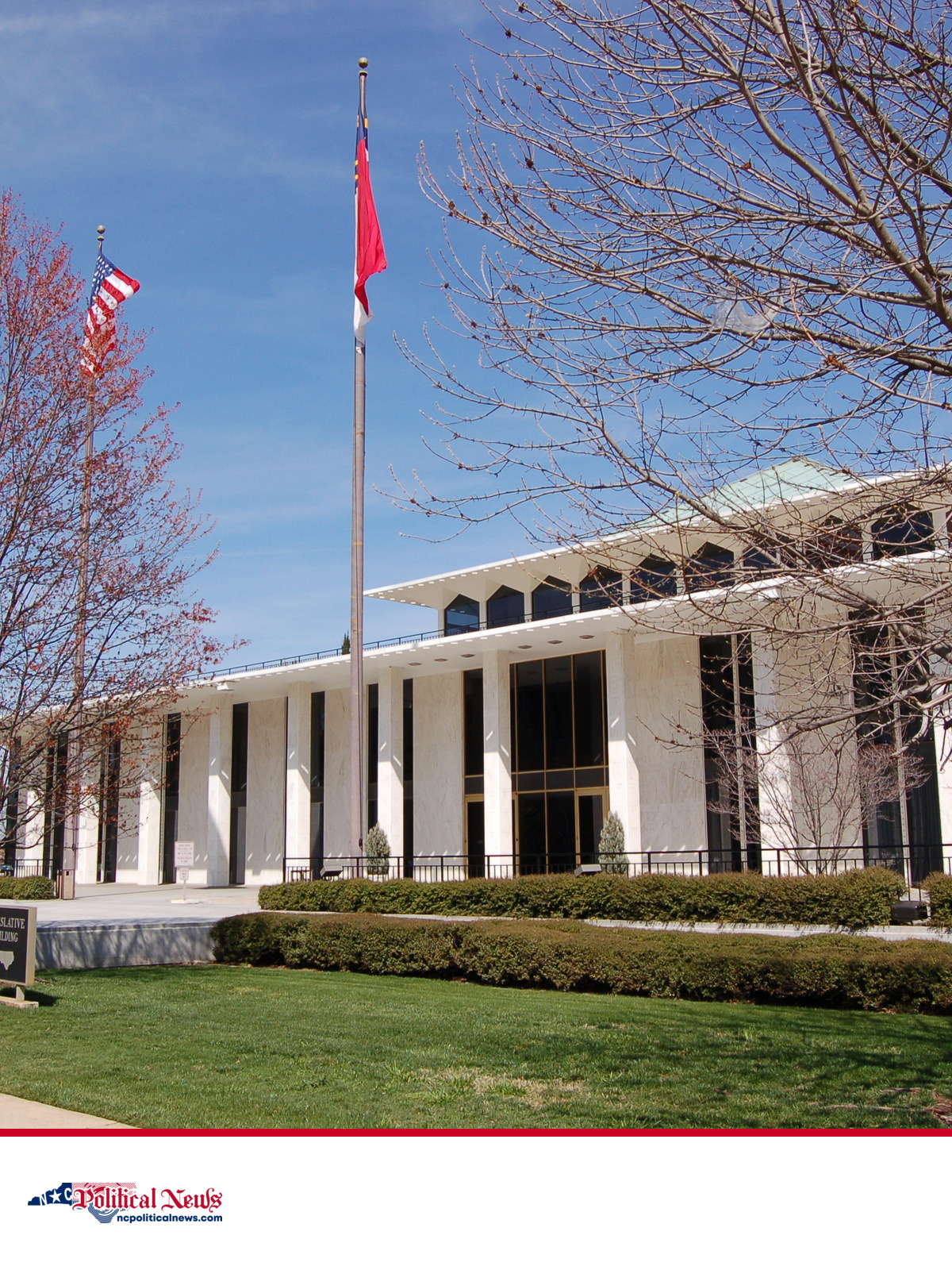
Photo Credit: Jmturner / Wikimedia Commons, public domain.
Editor’s Note: This article was drafted with the assistance of artificial intelligence and was reviewed and fact-checked by a member of the NC Political News editorial team before publication.