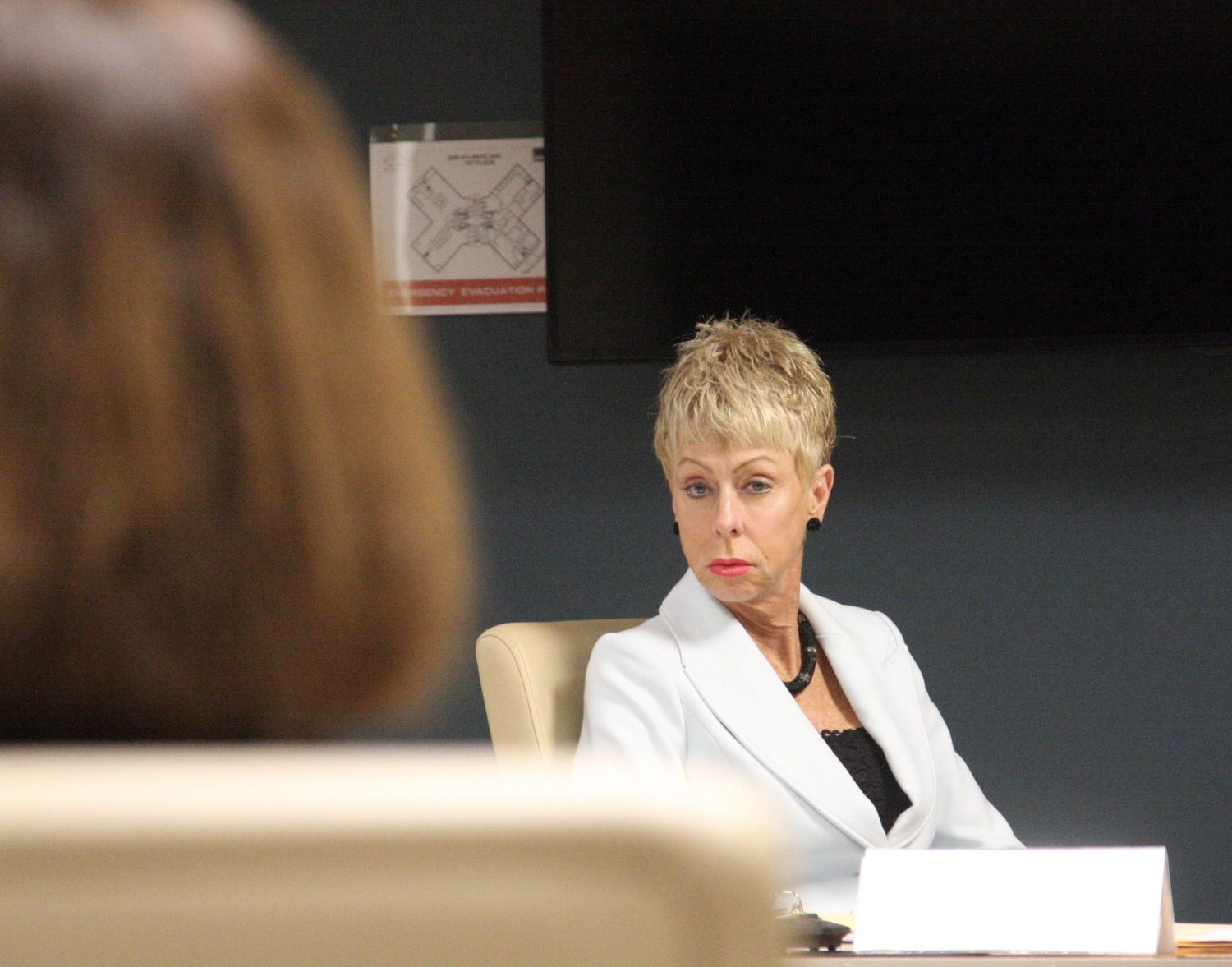
The state auditor’s office found that a former accounting technician in the town of Spring Lake misappropriated more than $430,000 in taxpayer funds for personal use and has referred its report to the FBI and State Bureau of Investigation for a possible criminal investigation.
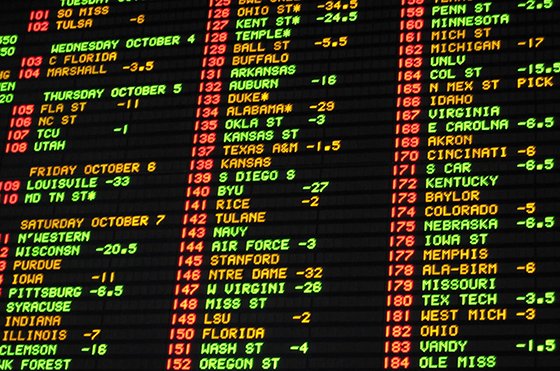
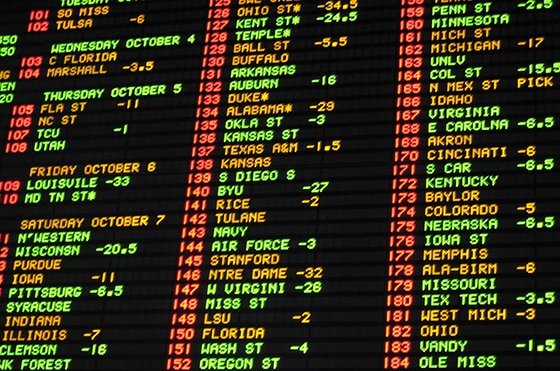
A bill that would legalize mobile sports betting in North Carolina is likely to see significant consideration in the House during the abbreviated spring legislative session.
While a bill that would legalize sports betting across North Carolina passed a House committee last week, odds are heavily against it passing the full General Assembly before the session ends.
A top publication for corporate real estate and expansion planning named North Carolina as tops in the country in terms of a friendly business climate.
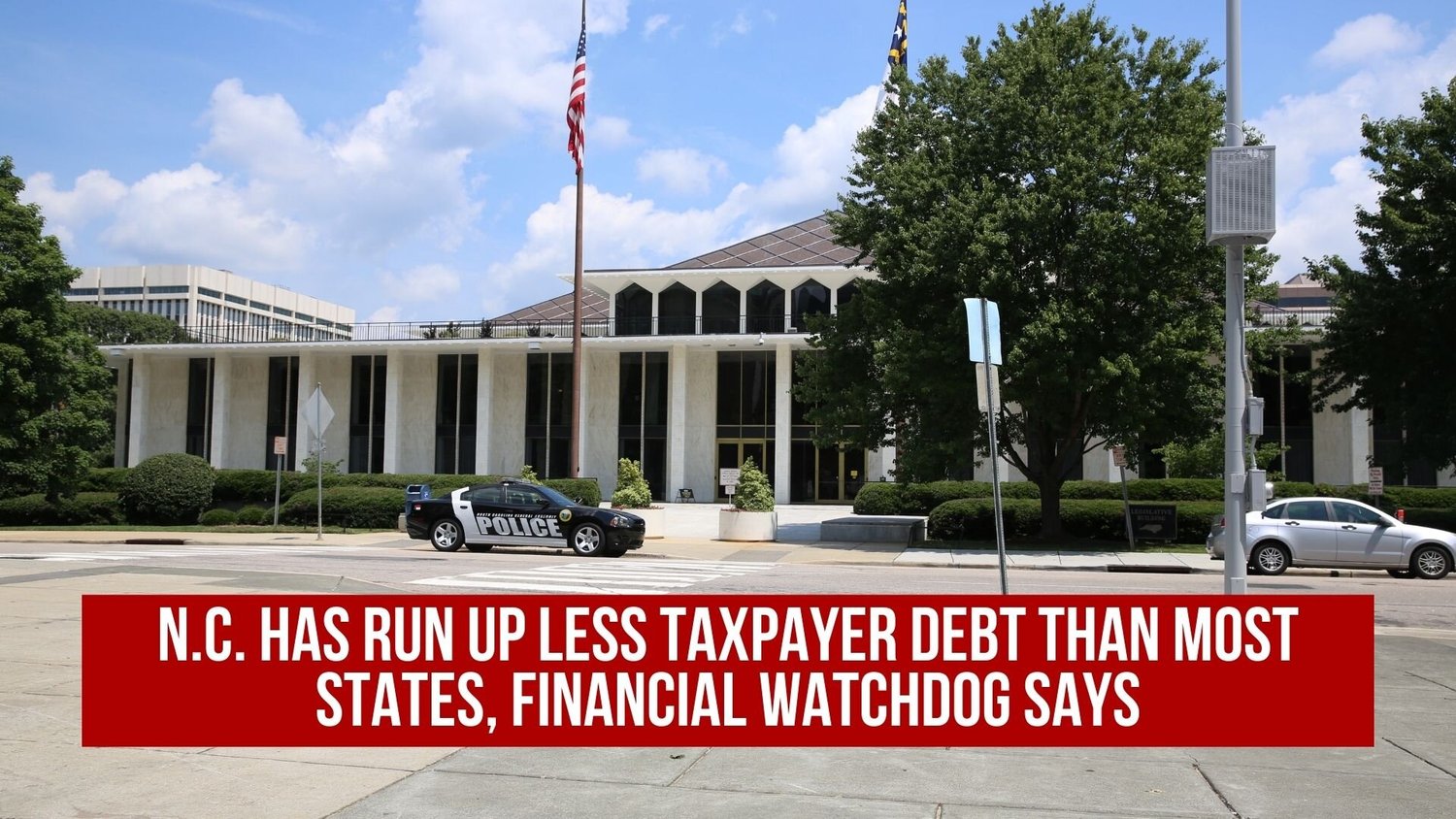
One of the nation’s leading financial watchdogs says North Carolina has fared better than most states in terms of balancing its budget, but the picture isn’t all rosy as the state has an average debt burden of $1,400 per taxpayer.
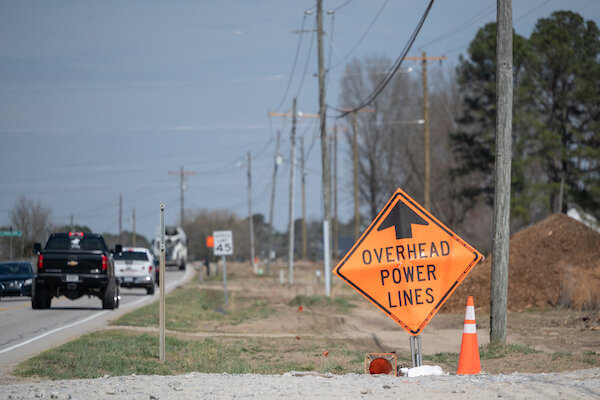
The N.C. Department of Transportation continues to be under the watchful eye of the state auditor, who in a report released this week says that department failed to exceed its developed spending plan only by pure luck.
The N.C. House will take up sports betting legislation after a bill to expand wagers statewide passed in the Senate last week.Senate Bill 688 was read for the first time in the House on Tuesday, Aug. 24. The legislation was then referred to the Committee on Rules, Calendar, and Operations of the House.
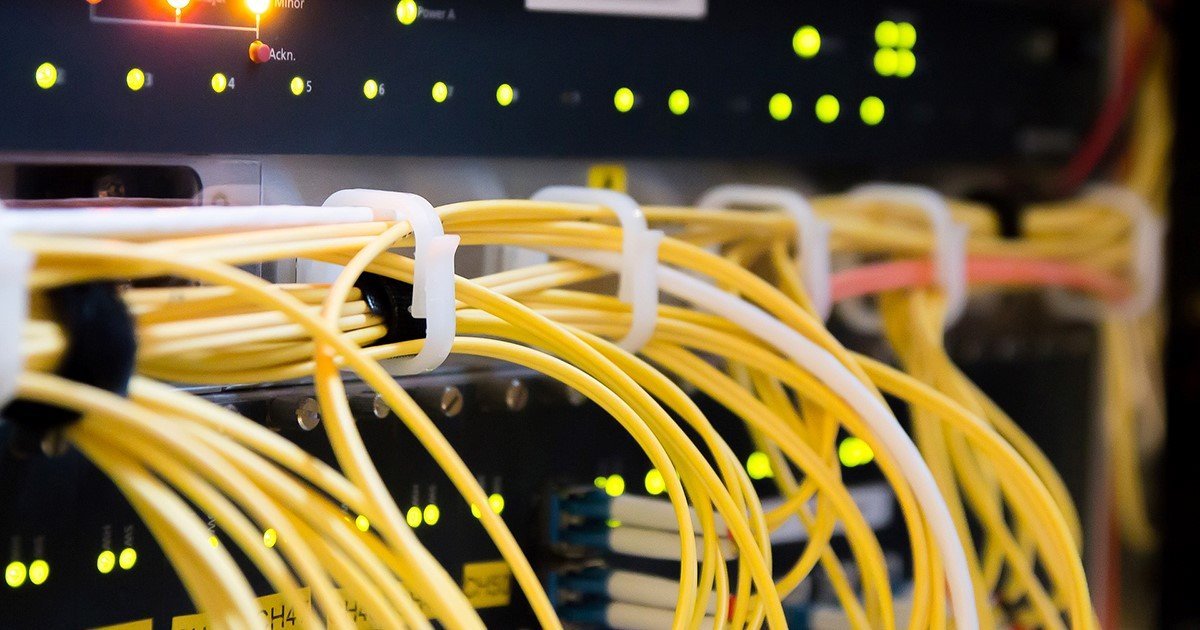
A new study commissioned by the N.C. Cable Telecommunications Association warns that red tape regarding utility pole access could cost the state $3.5 billion in consumer value due to the resulting delays in broadband deployment.
The state auditor found that the town of Hertford made several questionable financial decisions, under the guidance of its former Mayor Pro Tem Quentin Jackson.
State auditors found Roanoke-Chowan Community College issued more than $10.3 million in checks with invalid signatures between August 2019 and August 2020, putting the school at increased risk of fraud.