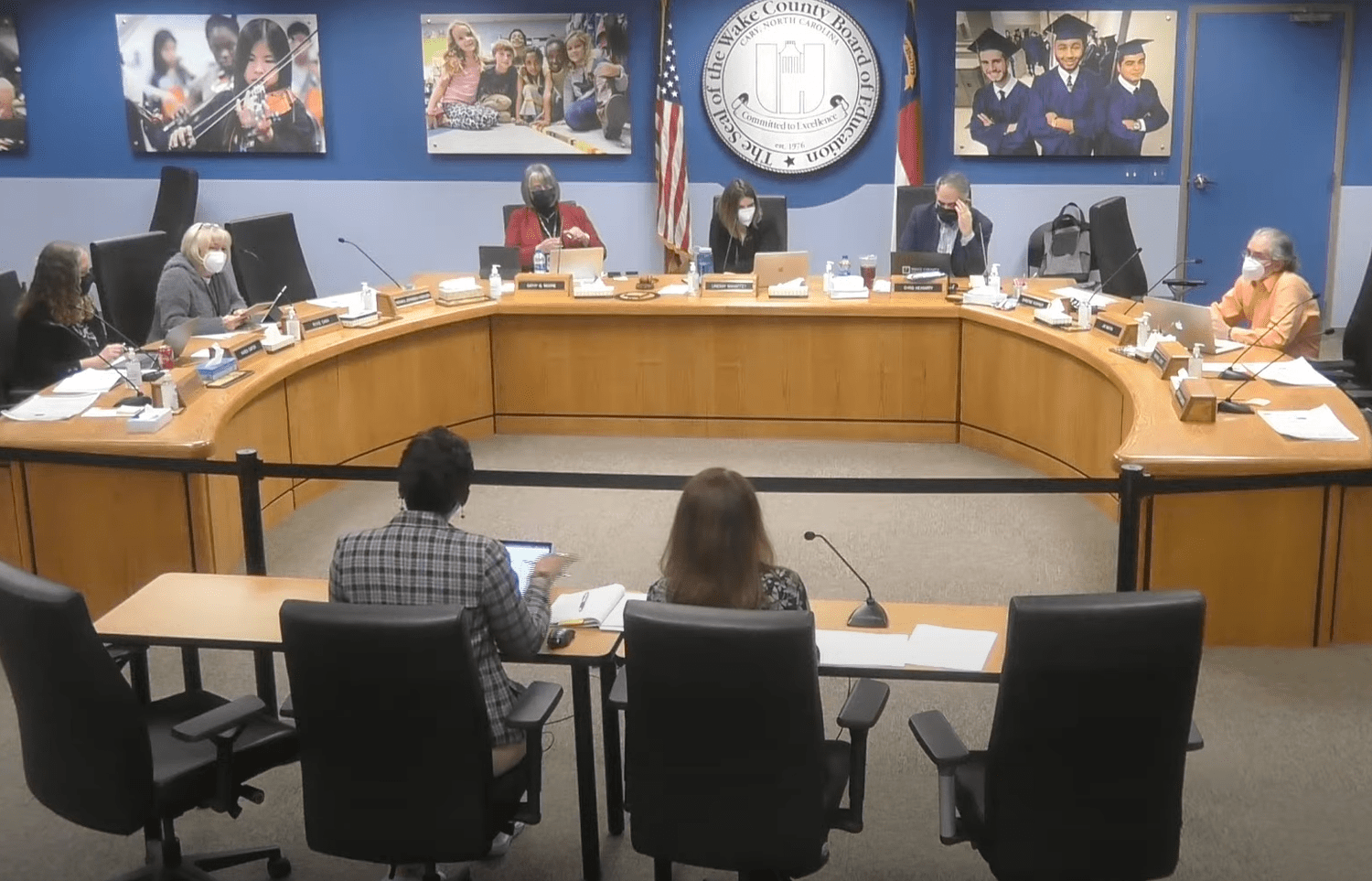
North Carolina’s largest school district continues to feel the impact of pandemic-related reductions in its student population, and those impacts will be felt for at around a decade, according to a report presented to the Wake County Board of Education on Wednesday, Feb. 9.
This online chat between admissions officers reflects poorly on the culture and policies of the university employing them. It shows them engaging in crude racial classification.
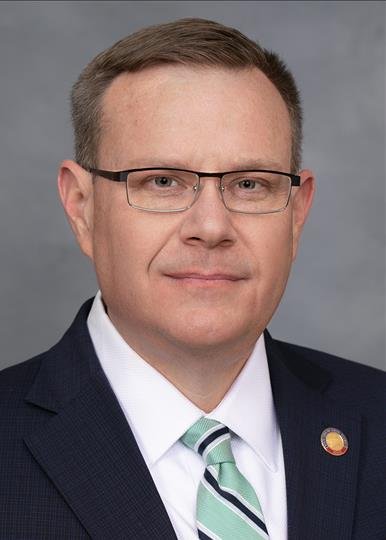
North Carolina House Speaker Tim Moore sent a letter to Governor Roy Cooper asking to end the policies that have disrupted classrooms and hindered student achievement and repeal the guidelines that force healthy kids to stay home and effectively mandate masks in schools, as most governors across the country finally do the same.
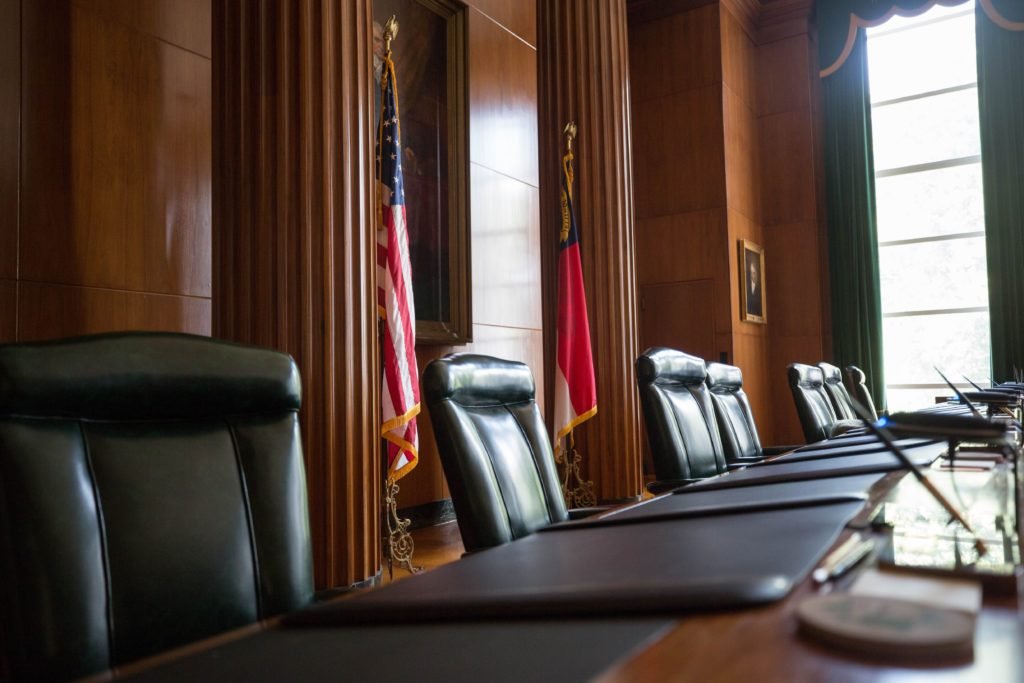
Since the Friday night massacre, in which a partisan Democrat state Supreme Court threw out GOP-enacted congressional and legislative districts, legislators and political observers have been trying to figure out what happens next and what it means for the General Assembly as they return to Raleigh next week to revise maps.
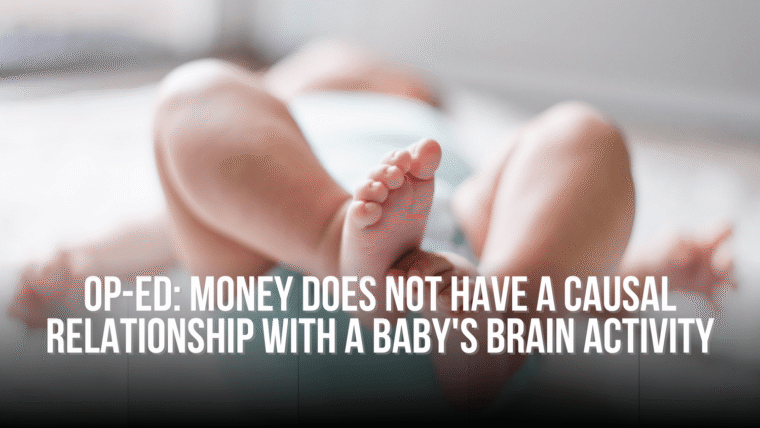
An article published by NC Policy Watch caught my attention the other day. The piece ran with the headline, “Boosting low-income mothers’ income increased their babies’ brain activity.” After seeing the headline, I asked myself, “How can the disbursement of money to the mother have an impact on a baby’s brain activity?” Of course, I had to read the article to find out what was going on.
Critics argue that North Carolina’s new election maps violate key basic provisions of the state’s Declaration of Rights. Those critics include the four Democrats serving on the N.C. Supreme Court. They labeled the maps unconstitutional.
A new meta-analysis from Johns Hopkins University shows that government-mandated lockdowns in America and Europe during the first wave of the COVID-19 pandemic only reduced the death rate by 0.2%, on average. Researchers concluded that lockdowns “have had little to no public health effects” while imposing “enormous economic and social costs” and should be “rejected as a pandemic policy instrument.”
A few weeks back, I scribbled a fillip on the far-left wanderings of librarianship in general and the American Library Association in specific. For those who have always positioned libraries among mom, apple pie, and country, this may have raised an eyebrow, if not a hackle. The exordium was not meant to anger but to exhort regarding books like “Gender Queer: A Memoir.”