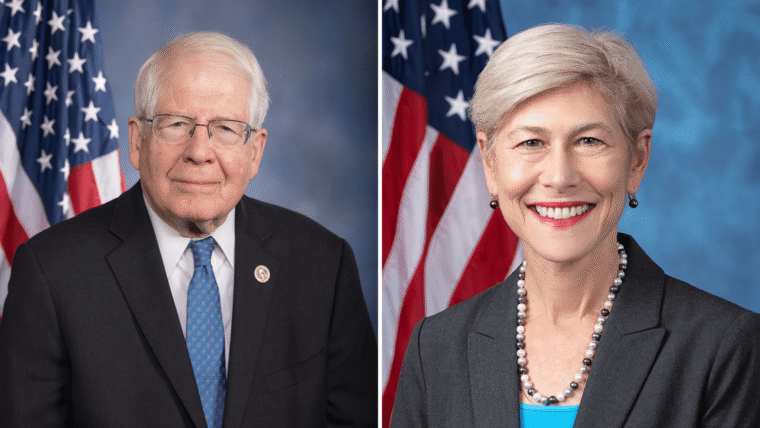
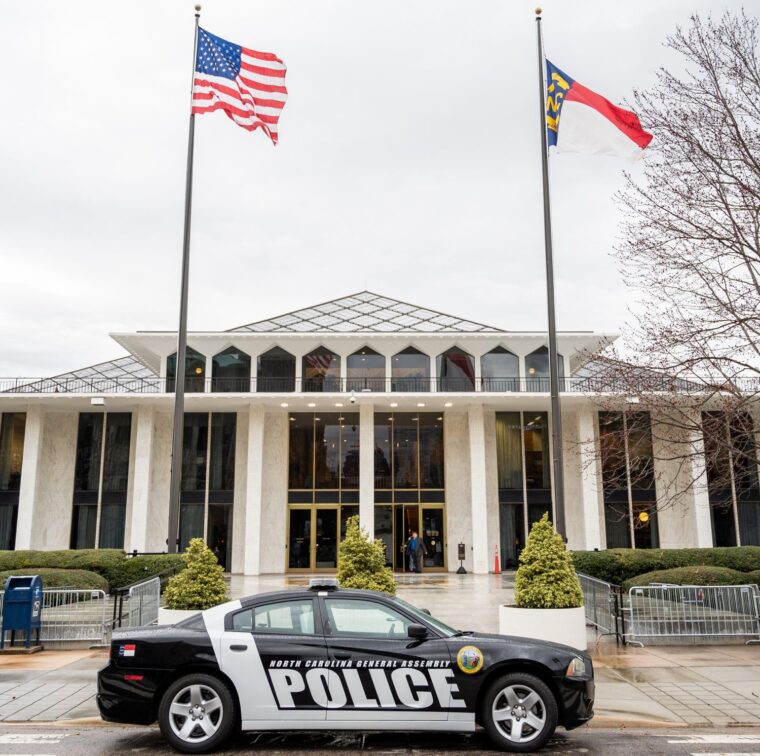
The University of North Carolina systemically discriminates by race and ethnicity in student admissions and faculty hiring. Arguably such behavior is already forbidden by federal and state law. Now a group of state lawmakers has proposed an amendment to the state constitution that would eliminate all doubt on the matter.
Attorney General Josh Stein today released a statement on the Pistol Purchase Permit Repeal (HB 398), which would eliminate the sheriff’s background check before granting a permit to a person before they can purchase a pistol.
Budgets passed with bipartisan support in both chambers of the General Assembly fund a number of provisions in the ongoing Leandro school funding legal case, but critics still contend the money falls short of the mark.
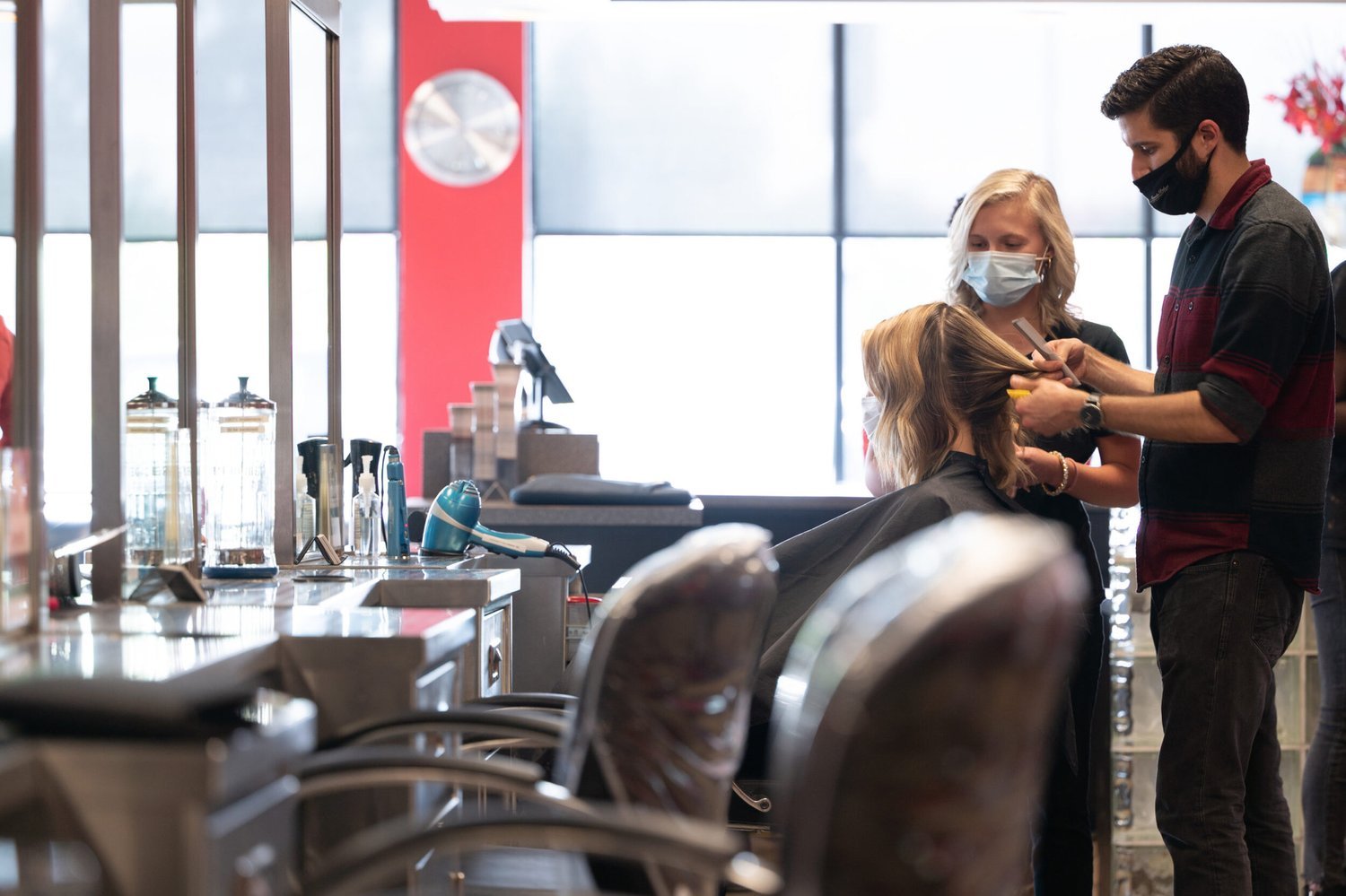
At Alexander Paul Institute of Hair Design in Greenville, N.C., students are looking toward the future. Here they learn to cut, curl, and color hair, but also tend to customers and build their client base — all the skills they will need for a lucrative career in cosmetology and other personal services.
It’s around lunchtime on a Wednesday in mid-July, the bright remnants of the morning quickly morphing into the typical hot, heavy Carolina afternoon. A dozen or so people — diners and drinkers — survey downtown Chapel Hill from atop a third-floor balcony at Top of the Hill Restaurant & Brewery.
North Carolina’s state government has a multi-billion-dollar surplus. Its enormity has multiple causes: past spending discipline, revenue growth from a resurgent economy, and gobs of borrowed federal money. Its enormity also presents North Carolina’s conservative-run legislature with a challenge.
During his recent trip to Illinois, President Joe Biden made the case for funding trillions of dollars in infrastructure projects through increasing the corporate tax rate. Most Americans agree that infrastructure is critical to the wellbeing of any society. We all want to drive on safe roads, have drinkable water come from the tap, and be able to reliably access broadband in our communities. But where the disagreement typically occurs is how we will pay for these public goods and services.
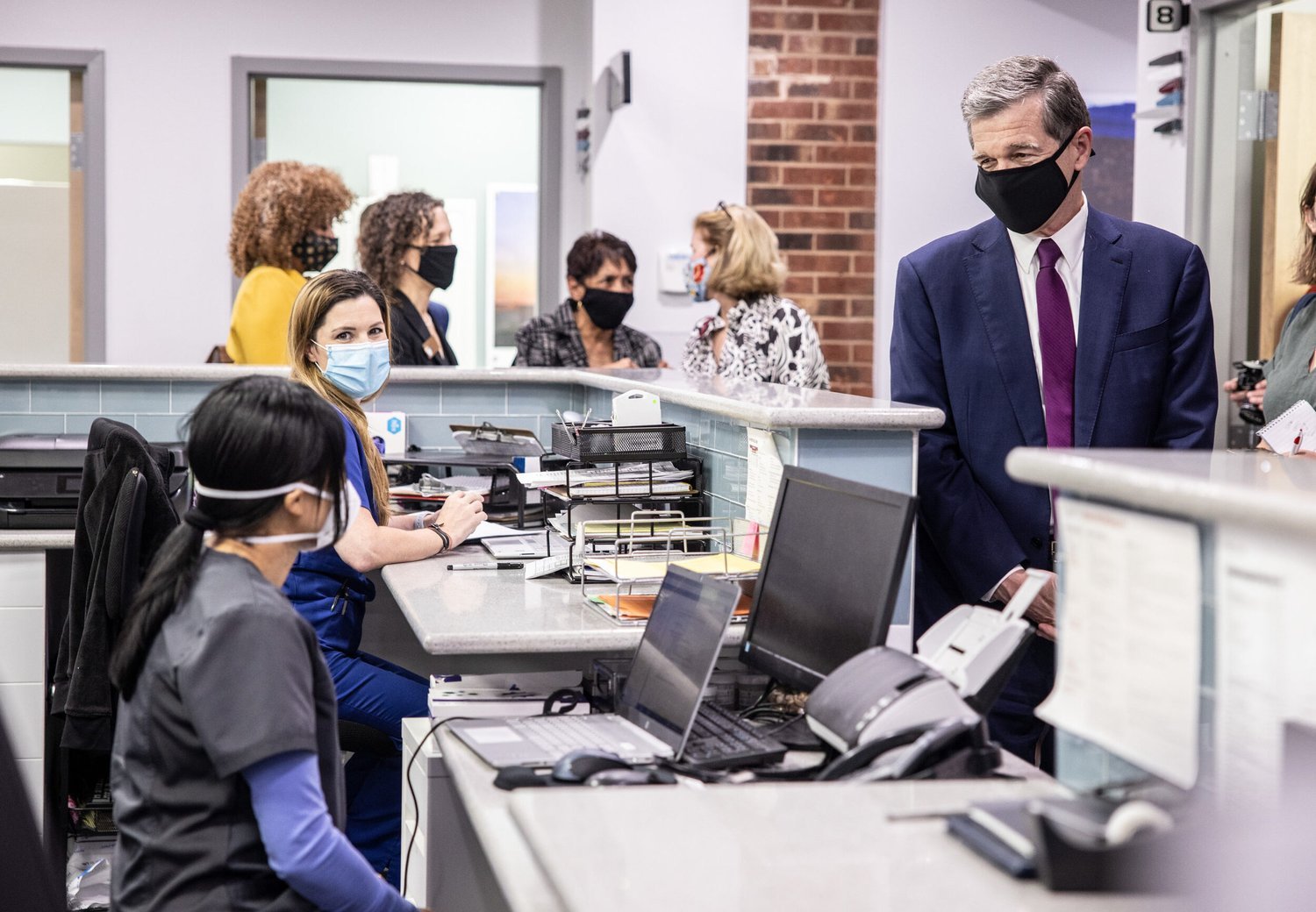
On the heels of a new executive order requiring state employees to get the COVID-19 vaccine or be required to wear a mask and submit to weekly testing, Gov. Roy Cooper is urging other members of the Council of State to push their own staffs to get vaccinated.