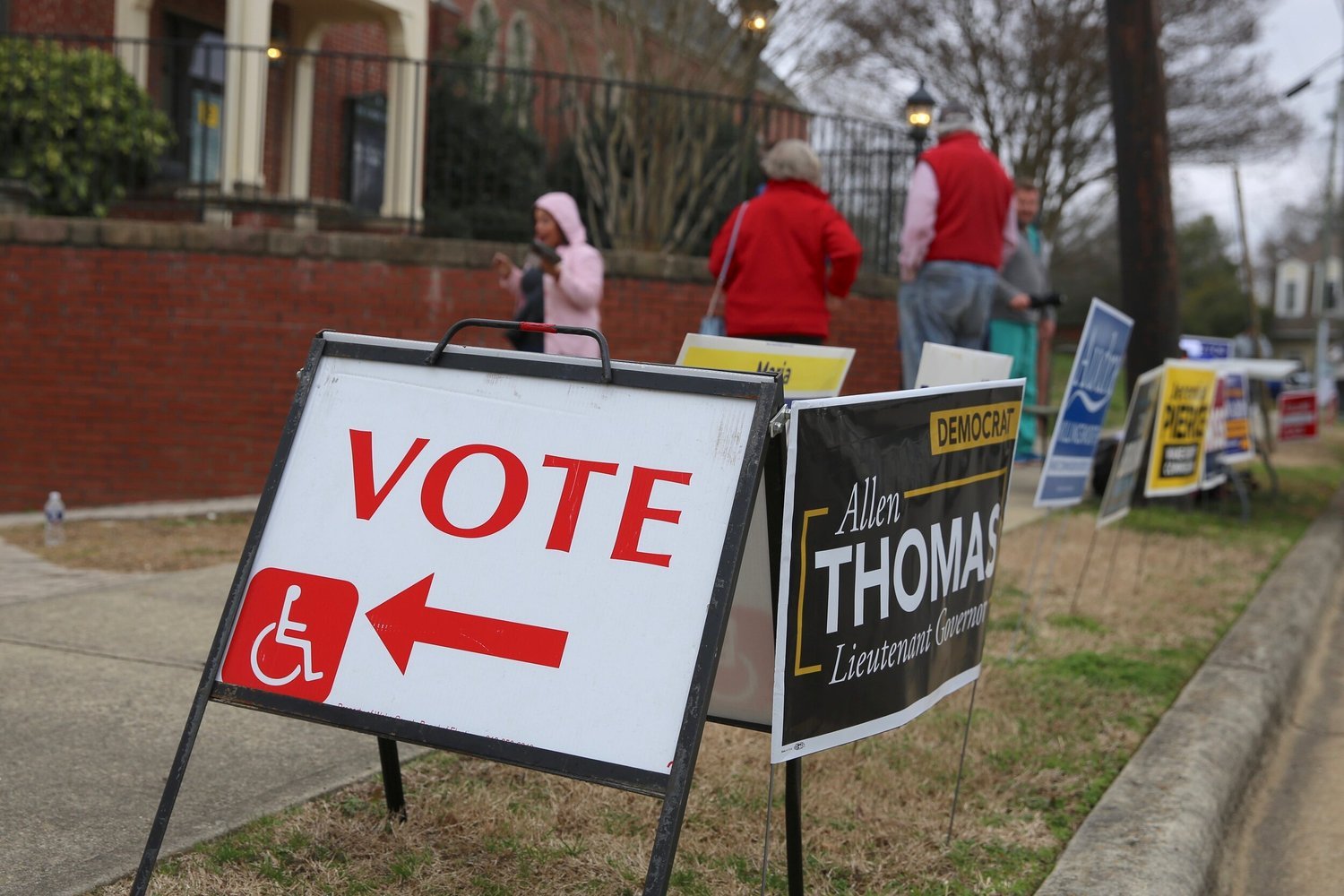
The city of Charlotte is set to approve an ordinance aimed at barring businesses and employers from discriminating against people based on transgender identity and other “protected classes.” The measure is similar to the one that launched the “Bathroom Bill” controversy in 2016 and led to a significant fundraising advantage for Democrats in that year’s elections.
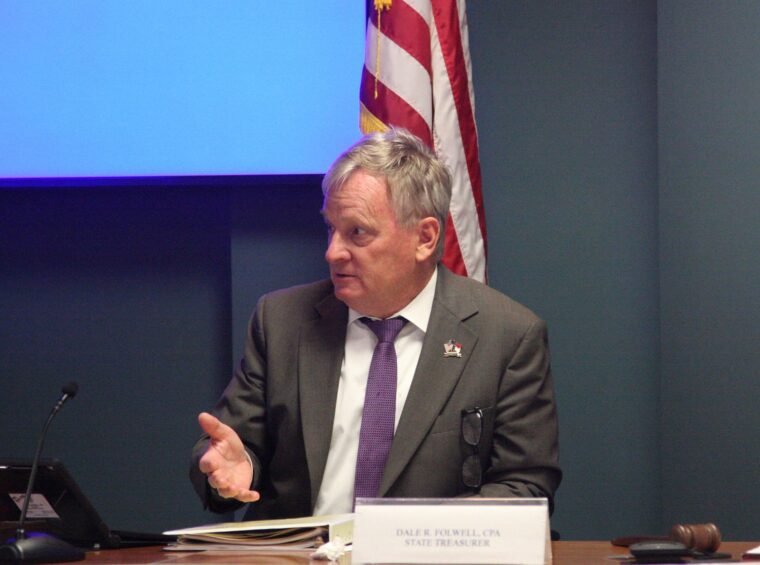
Some Republican members of the N.C. Council of State used a meeting Tuesday, Aug. 3, to underscore the challenges employers face in finding workers because, at least in part, of generous unemployment benefit payments from the federal government.
When demand exceeds supply, prices rise. While the problem of housing affordability has many facets and effects, that inescapable fact explains a lot about why so many North Carolinians struggle to afford the homes they’d like to buy or rent.
State auditors found Roanoke-Chowan Community College issued more than $10.3 million in checks with invalid signatures between August 2019 and August 2020, putting the school at increased risk of fraud.
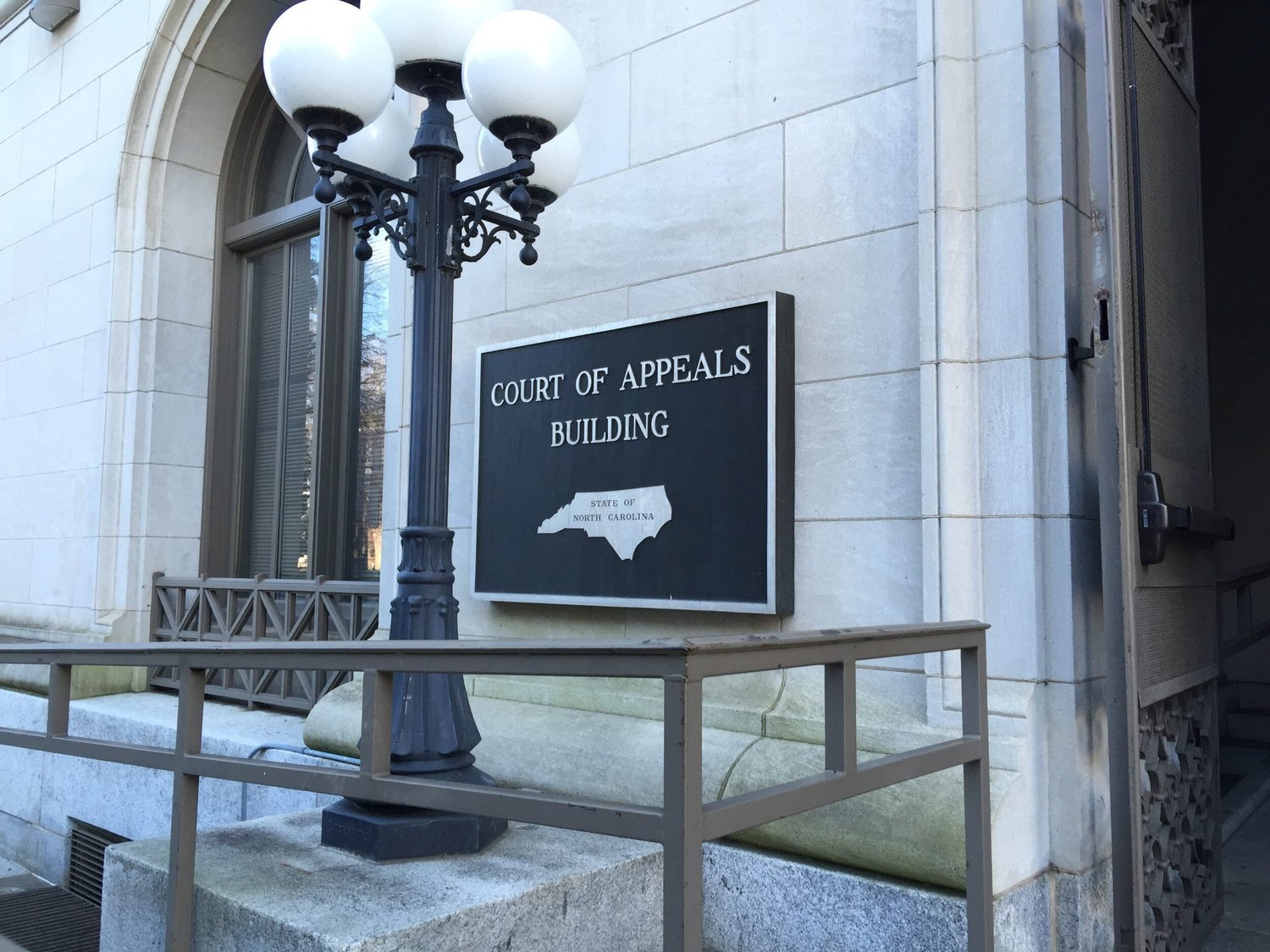
Cases involving a high-profile political activist and a controversial state medical regulation await the N.C. Court of Appeals as it returns to regular in-person hearings in August.
How much say should the public have about public education? Parental revolts against “wokeness” fads in the classroom are all the rage right now, but gaps between public preferences and the practice of public education didn’t suddenly begin a few months ago. They’ve been around for decades.
Given the freedom to choose whether to mandate masks for students, school boards across the state have begun voting to make face coverings optional for the coming school year.
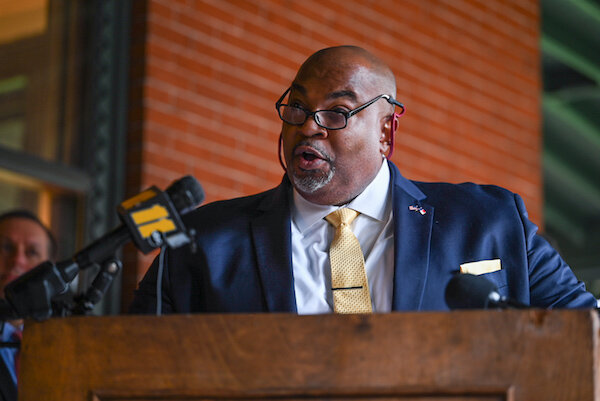
Lt. Gov. Mark Robinson in March announced the launch of a task force to address growing concern grew among public school parents about political and cultural indoctrination in the classroom, specifically related to Critical Race Theory.
Benjamin Franklin gave us many great words of wisdom. One of his best lines is that we should “do well by doing good.” While this ideal may have worked in the politics and government of early American history in the 1700’s, we don’t see much of that sentiment in today’s public policy. People of all political stripes (right, middle, left and those not involved at all) are tired of the fighting and looking to support policies that exemplify the words of Mr. Franklin.
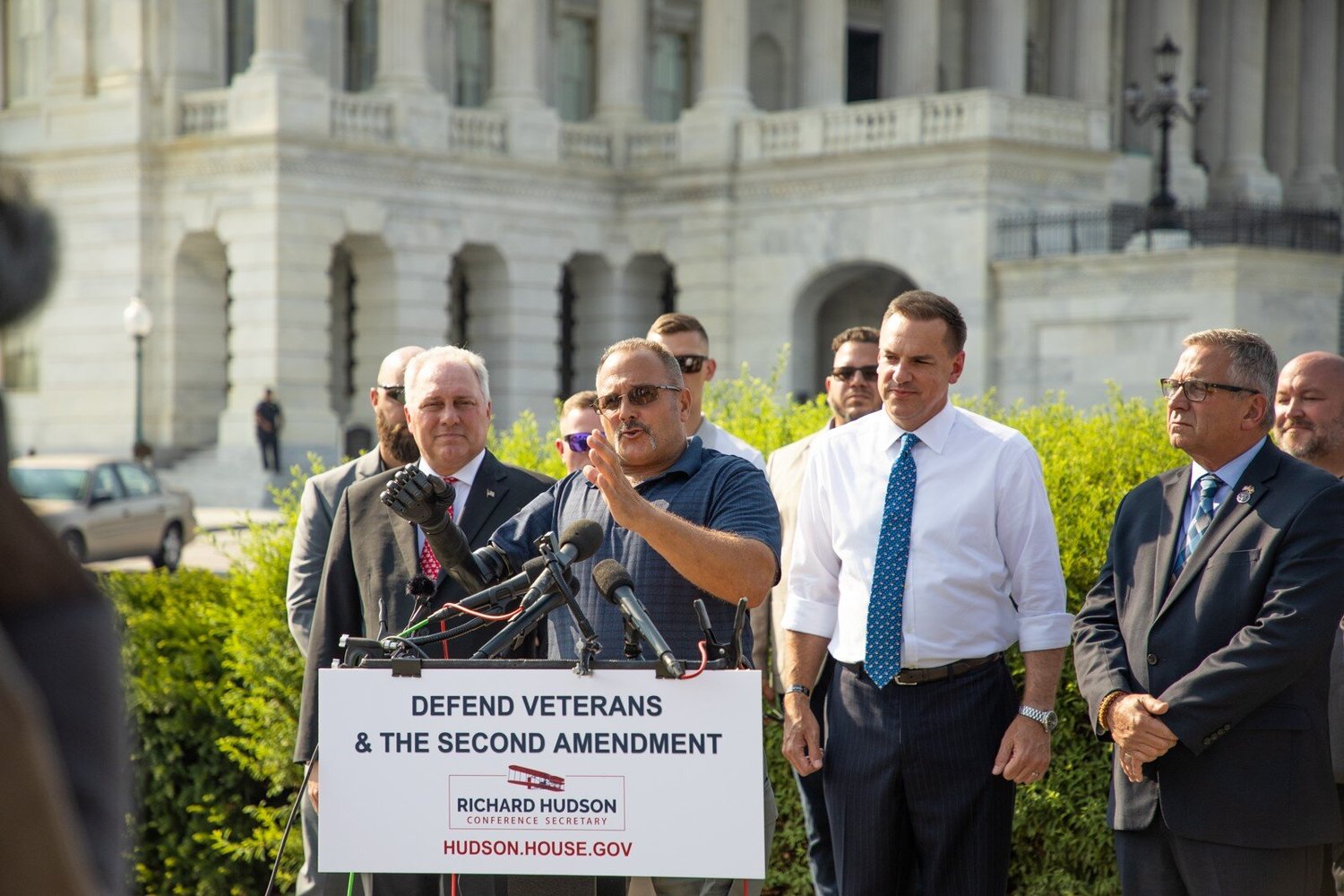
U.S. Rep. Richard Hudson took aim this week at a proposed federal regulation that targets pistol stabilizing braces. Hudson led a Capitol Hill news conference Tuesday drawing attention to the issue.
The U.S. House Appropriations Committee voted to cut $40 million from the federal Charter Schools Program, in a major policy shift away from the bipartisan support that charter schools have enjoyed in recent years.