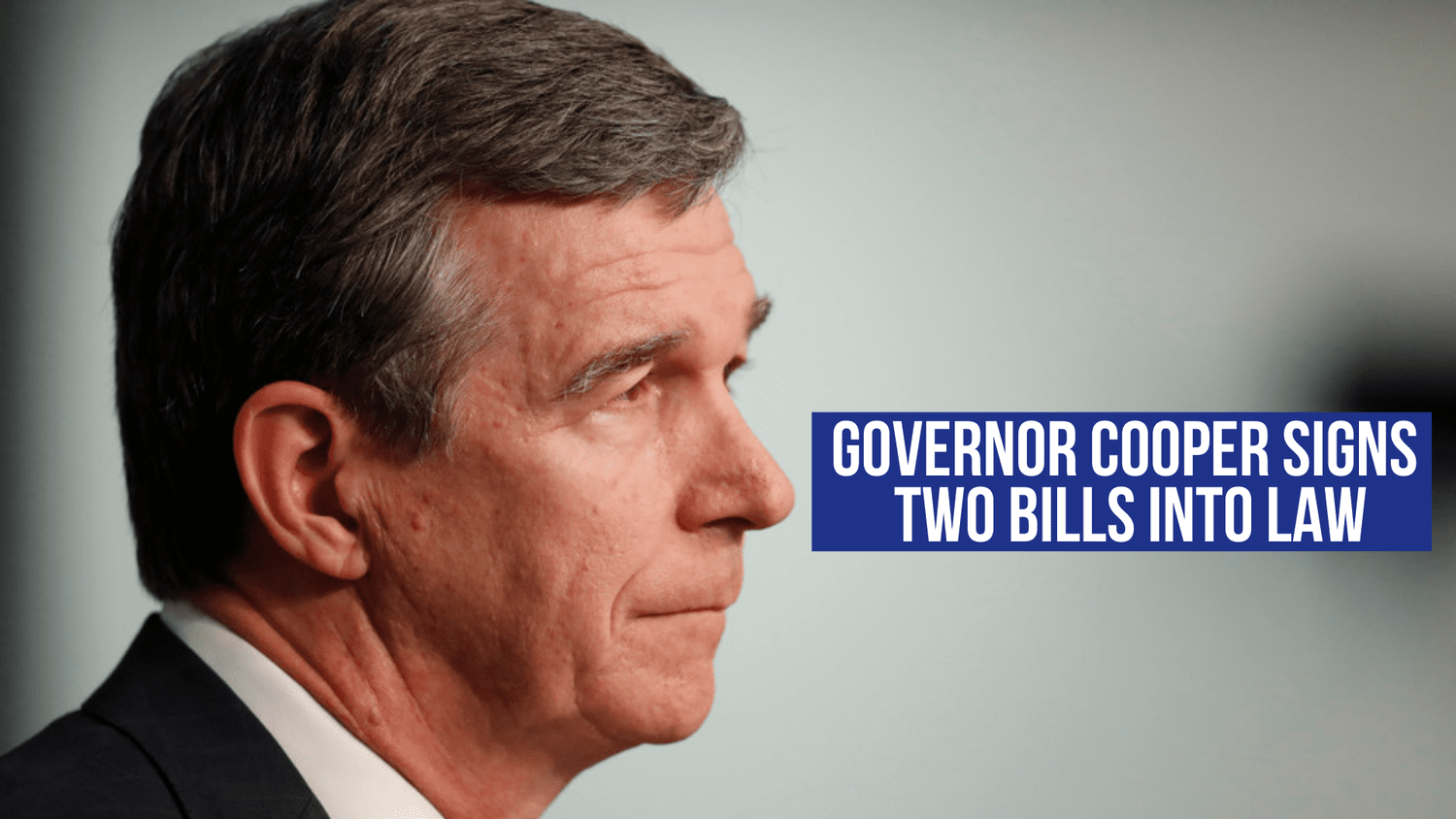
Governor Cooper signs two bills into law
"Organ donation brings life and hope from tragedy, and this legislation helps reduce the waiting list of people waiting for life saving transplants."
"Organ donation brings life and hope from tragedy, and this legislation helps reduce the waiting list of people waiting for life saving transplants."
U.S. Rep. Ted Budd’s campaign team is highlighting new polling data showing the impact of former President Donald Trump’s endorsement in North Carolina’s 2022 U.S. Senate race.
The judge in the ongoing Leandro school funding case has signed an order that attempts to compel the General Assembly to fund the components of the Comprehensive Remedial Plan agreed to by both the defendants and plaintiffs in the case last year.
A bill to provide more transparency to the public regarding performance and disciplinary records of government employees moved one step closer to becoming law Monday evening as House Bill 64, Government Transparency Act of 2021, passed its third reading in the N.C. Senate. If enacted as law, the new requirements would apply to state employees and workers in local school districts, counties, cities, and colleges and universities.
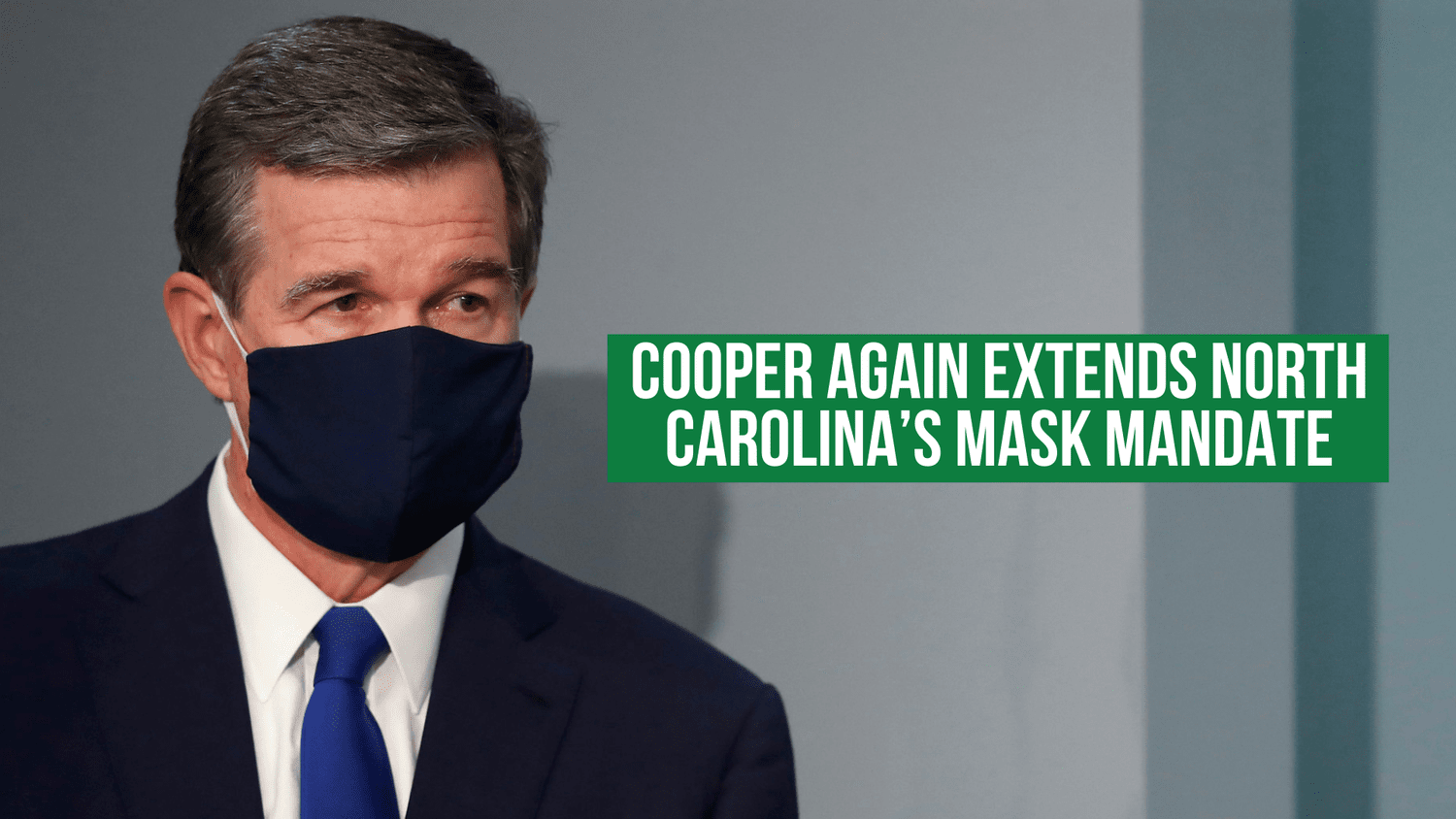
Democrat Gov. Roy Cooper issued his first executive order of the pandemic in March 2020, at the time implementing a interminable state of emergency, a move that’s typically reserved for hurricanes and other natural disasters.
As a fiscal conservative who thinks government is generally too large and taxes too high, I am grateful for the gas tax.
The N.C. Supreme Court has thrown out a lawsuit against owners of an Orange County quarry. Chief Justice Paul Newby’s opinion in the case focuses attention on the fundamental importance of the right to petition government.
The North Carolina Senate passed a Republican-led tax reform package Wednesday evening in a quick, 36-14 vote that drew eight Democrats to cross the aisle and vote in favor of the bill. House Bill 334 would raise the standard deduction from $21,500 to $25,500 for joint filers, which would take about a quarter of a million of the lowest-income North Carolinians entirely off the tax rolls. It also reduces North Carolina’s flat income tax rate for remaining taxpayers from 5.25% to 4.99%.
Three bills comprising the thrust of legislative election integrity efforts advanced through the N.C. Senate Committee on Redistricting and Elections on Wednesday, June 9. Senate Bills 326, 725, and 724 were each approved by voice vote and referred out of committee.
With negotiators for the North Carolina House and Senate confirming that they’ve agreed on the broad outlines of a state budget for next year, the prospect of ending the state’s 2.5% corporate income tax is one step closer to becoming reality. A phase-out is already in the Senate’s budget plan, and key House members have endorsed the idea.
Sports betting legislation hasn’t seen much movement in North Carolina, although sponsors are hopeful to see action in June.
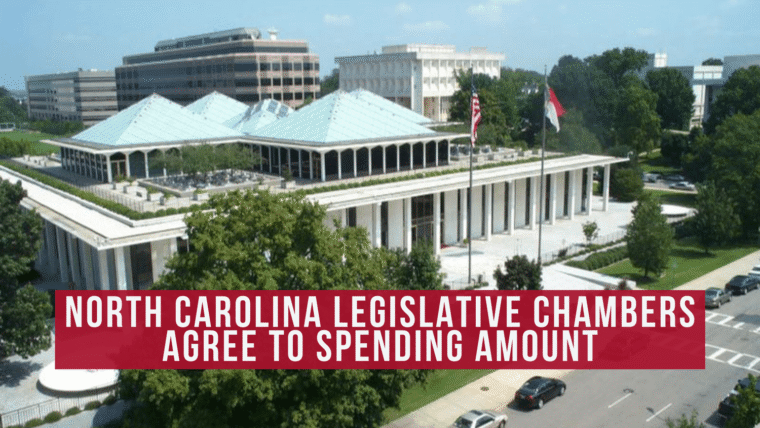
With the end of the state’s fiscal year just three weeks away, the N.C. House and Senate have reached a deal for the next budget. After weeks of closed negotiations, N.C. Senate and House leaders have agreed to a top-line spending number of $25.7 billion in the first year and $26.7 in the second year. That’s a spending increase of 3.45% in the first year of the biennium and 3.65% in year two.