Among the many reasons the political discourse in Washington has gotten so toxic, and at the same time so unproductive, is that the legislative branch of our federal government has allowed itself to become increasingly irrelevant.
Shortly after taking office, President Joe Biden began revving up the federal government’s regulatory engine. He’s already run over the Keystone Pipeline. We can expect a pileup of other rules that will increase the cost of energy, food, and many other goods and services across our economy.
Now that Democrats control the White House and both chambers of Congress (however narrowly), they will probably approve a new round of federal borrowing to bail out state and local governments with shaky finances. In other words, Washington will punish North Carolina and other prudently governed states by saddling us with the cost of other states’ mistakes.
As North Carolina prepares to celebrate National School Choice Week Jan. 24-30, the cause of educational freedom could see even more advancement during the North Carolina General Assembly’s 2021-2022 session.
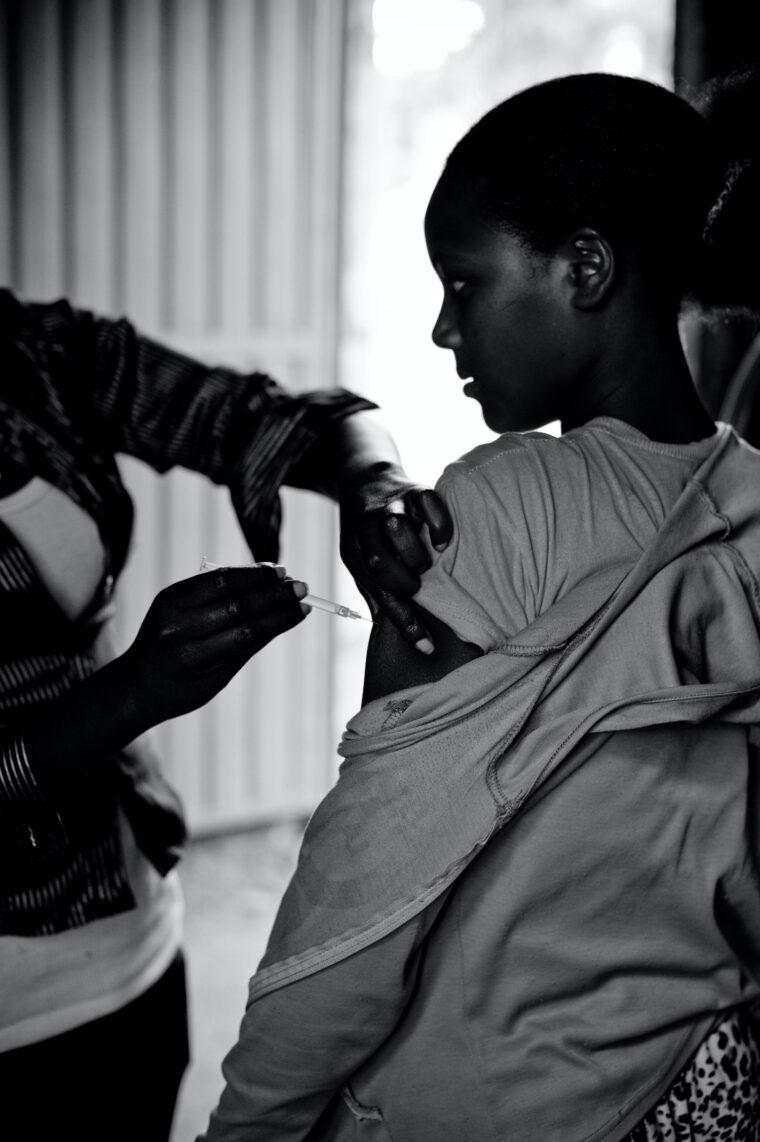
As of January 18, North Carolina has received about a million doses of COVID-19 vaccines. Nearly 330,000 of those doses have been injected into the arms of North Carolinians. That may sound like a big number. But it’s not nearly big enough.
I have strong opinions — but not about how to perform brain surgery, write a smart-phone app, design a golf course, or produce a hip-hop album. Perhaps you do have a strong view about one of these, but almost certainly not about all four.
Nearly a month after COVID-19 vaccines made it to North Carolina, the state has administered only a quarter of the doses it has on hand — one of the slowest roll-outs in the country.
COVID-19 and the ongoing fallout from the pandemic will likely dominate the 2021-22 session of the General Assembly. On tap for lawmakers is crafting a new budget for the biennium plus drawing new legislative and congressional maps for the next decade based on fresh census data.
In response to the COVID-19 pandemic, our schools have gone in a variety of directions. Some public-school districts that shut down last spring have never reopened for in-person learning to any significant degree. Others have welcomed at least their younger students back to school, as have most charter and private schools.