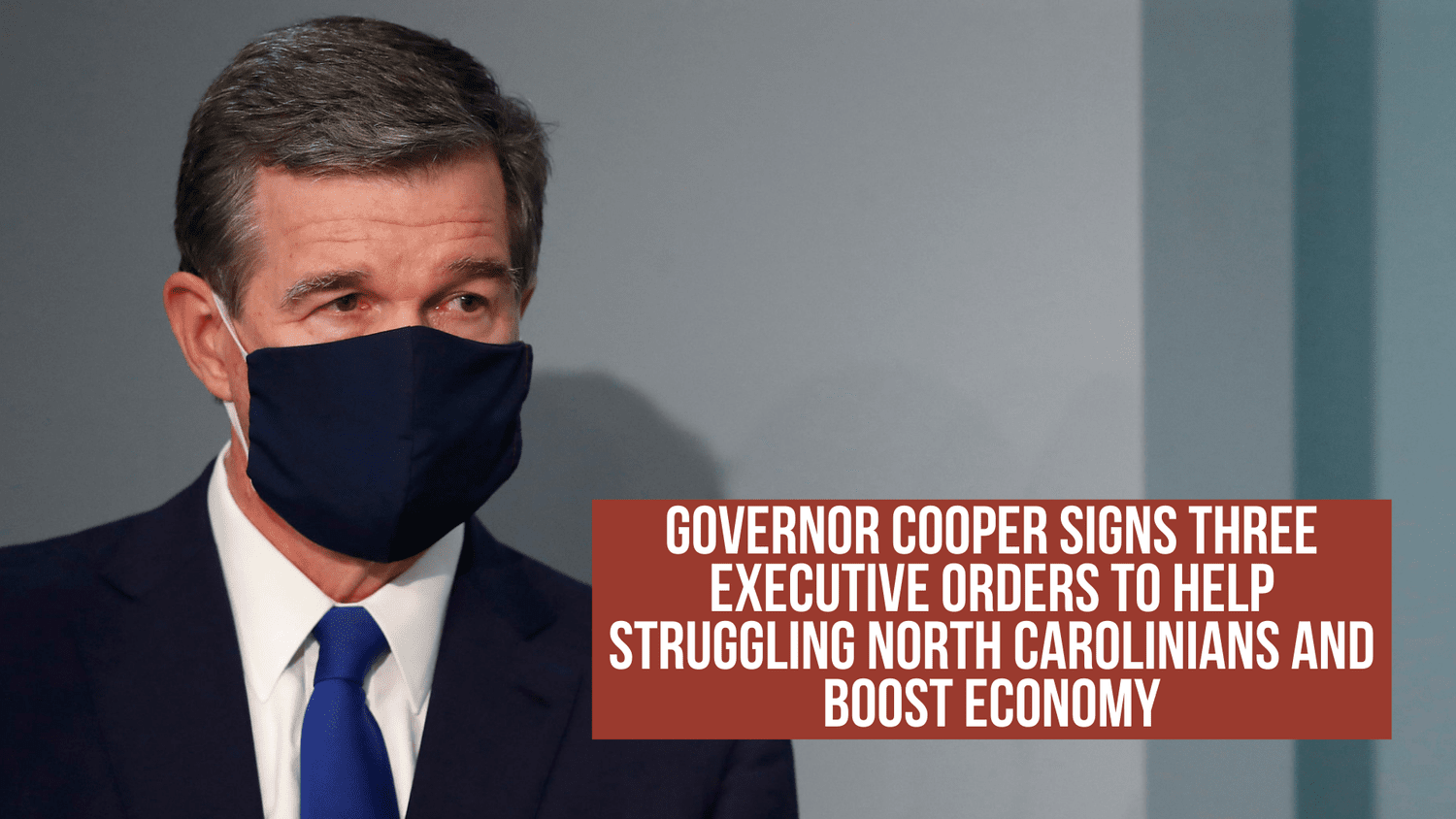
Today, Governor Roy Cooper signed three Executive Orders. Executive Order 206 extends North Carolina’s statewide residential eviction moratorium through June 30, 2021 in coordination with the Centers for Disease Control and Prevention (CDC)'s recent extension of the nationwide moratorium through the same date.
Robinhood Markets, Inc., a California-based financial services firm, will create nearly 400 jobs in Mecklenburg County, Governor Roy Cooper announced today. The company will invest $11.7 million to establish an office in Charlotte focused on customer experience roles.
A Greenville bar owner’s lawsuit challenging the state Emergency Management Act is heading to a three-judge panel. The panel will decide whether the act is unconstitutional because of the power it grants to Gov. Roy Cooper.
FUJIFILM Diosynth Biotechnologies U.S.A. Inc., a world leading contract development and manufacturing organization (CDMO), will create 725 jobs and expressed its intent to invest $2 billion in Wake County, Governor Roy Cooper announced today. The company will build North America’s largest end-to-end biopharmaceutical manufacturing facility in Holly Springs, confirming the central role of North Carolina’s Research Triangle region for the next generation of biotech medicines.
North Carolina Main Street Champions will be recognized for their commitment to downtown revitalization and strong communities during a virtual recognition ceremony today.
The NFIB Small Business Optimism Index rose to 95.8 in February, a slight bump from January but still below the 47-year average reading of 98. The NFIB Uncertainty Index decreased five points to 75.
North Carolina’s Debt Affordability Advisory Committee says the state should set aside $100 million a year to help the state pension systems remain solvent.
Legislation introduced by Republican lawmakers would mandate recipients of unemployment benefits actively search for work, a requirement that hasn’t been in place since the pandemic began in March.
A Superior Court judge asked repeatedly Thursday, Feb. 18, for evidence that would justify state government orders that keep private bars closed across North Carolina.
North Carolina’s heavy-fisted response to the coronavirus pandemic has resulted in a delayed economic recovery, reports from state and national economists show.
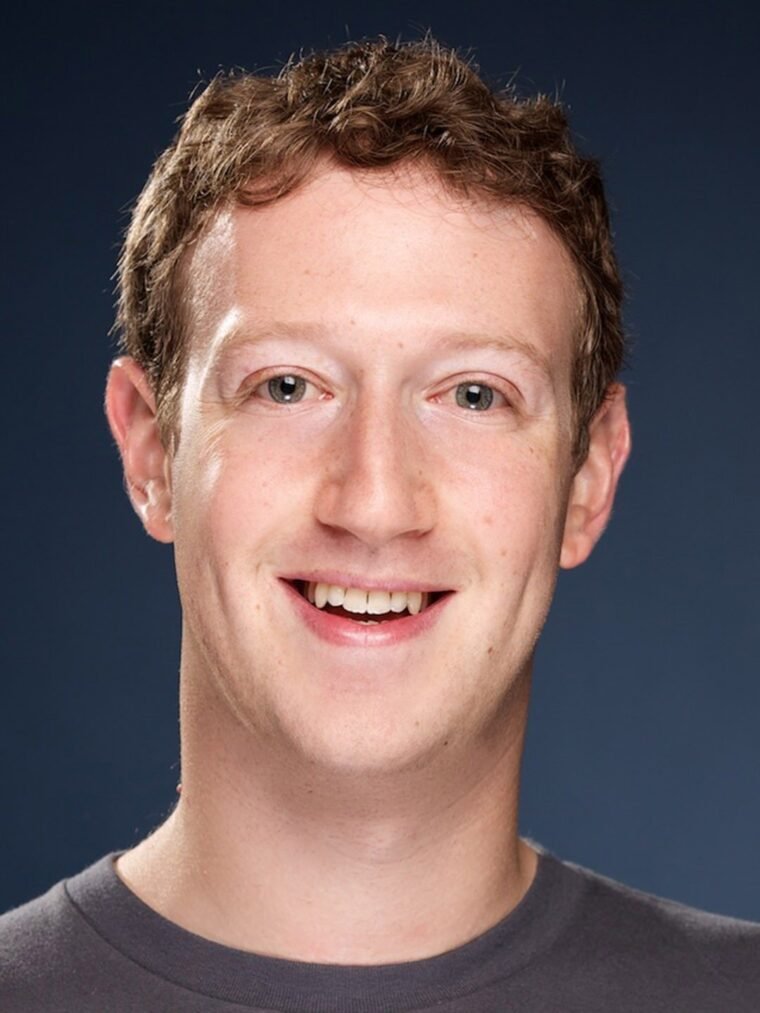
North Carolina, which saw a tightening of the presidential race in the 2020 election, was among the states that saw an influx of money from Mark Zuckerberg in the months leading up to the voting. Capital Research Center noted that Zuckerberg and his wife, Priscilla Chan, donated $350 million to the Center for Technology and Civic Life, which in turn gave the money to local election officials. CRC argues that the formerly small group “became an activist juggernaut with the means to effectively manage the election in numerous cities and battleground states across the nation.”CRC said $4.3 million of these “Zuck bucks” went to 34 North Carolina cities and counties, in addition to a $1 million grant to the state board of elections. CRC said Biden gained about 80,000 votes in the counties that received the grants.
While an annual report from a financial watchdog shows most U.S. cities are poorly prepared to face the fiscal fallout from the COVID-19 pandemic, the three North Carolina cities examined showed stronger numbers.