As recently as 2015, nearly 60% of Americans told Gallup that they had “a great deal” or “quite a lot” of confidence in U.S. colleges and universities as a whole. Today, just 36% of respondents agree — not much different from the shares who say they have only “some” confidence (32%) and very little or none (32%).
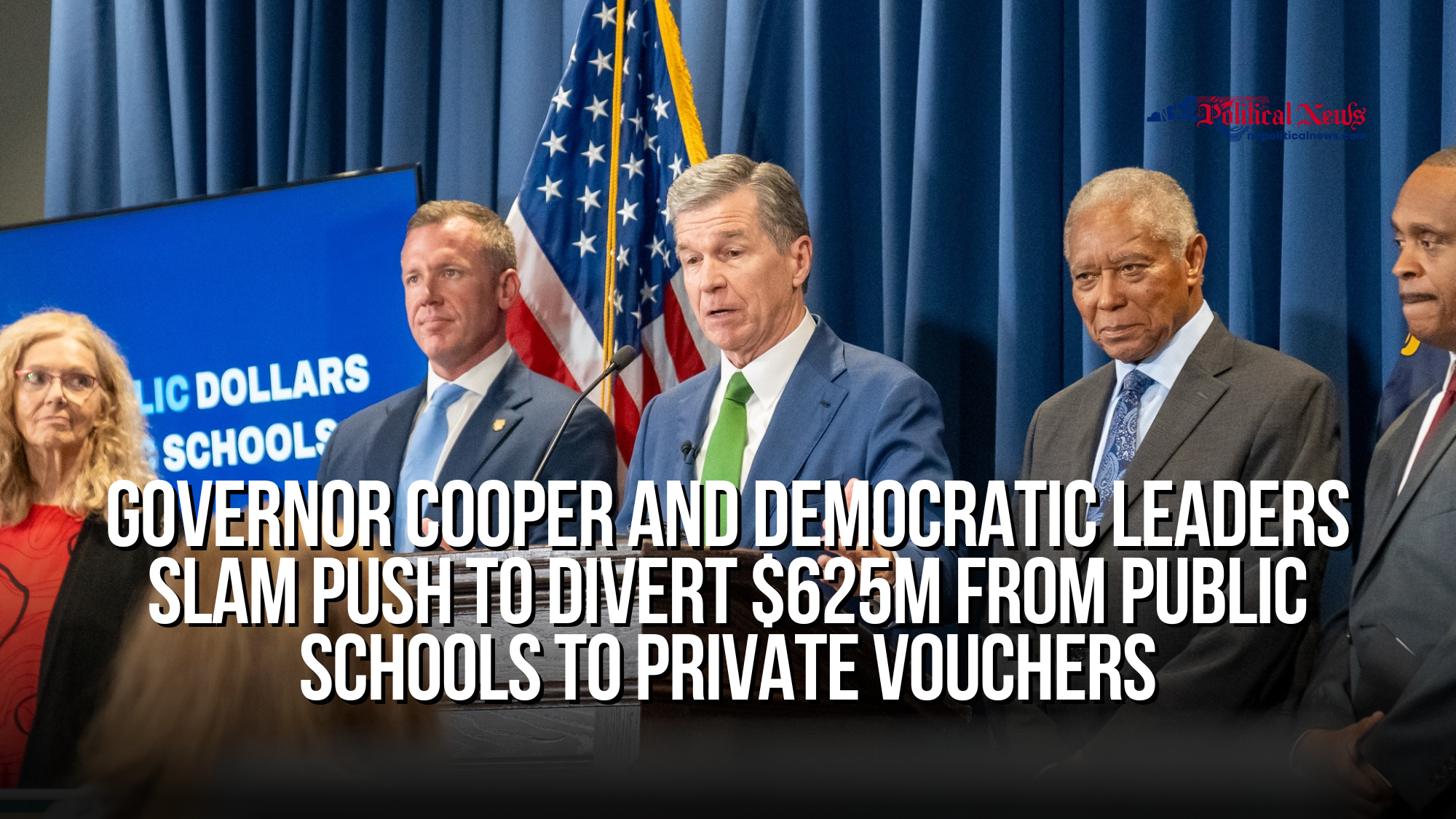
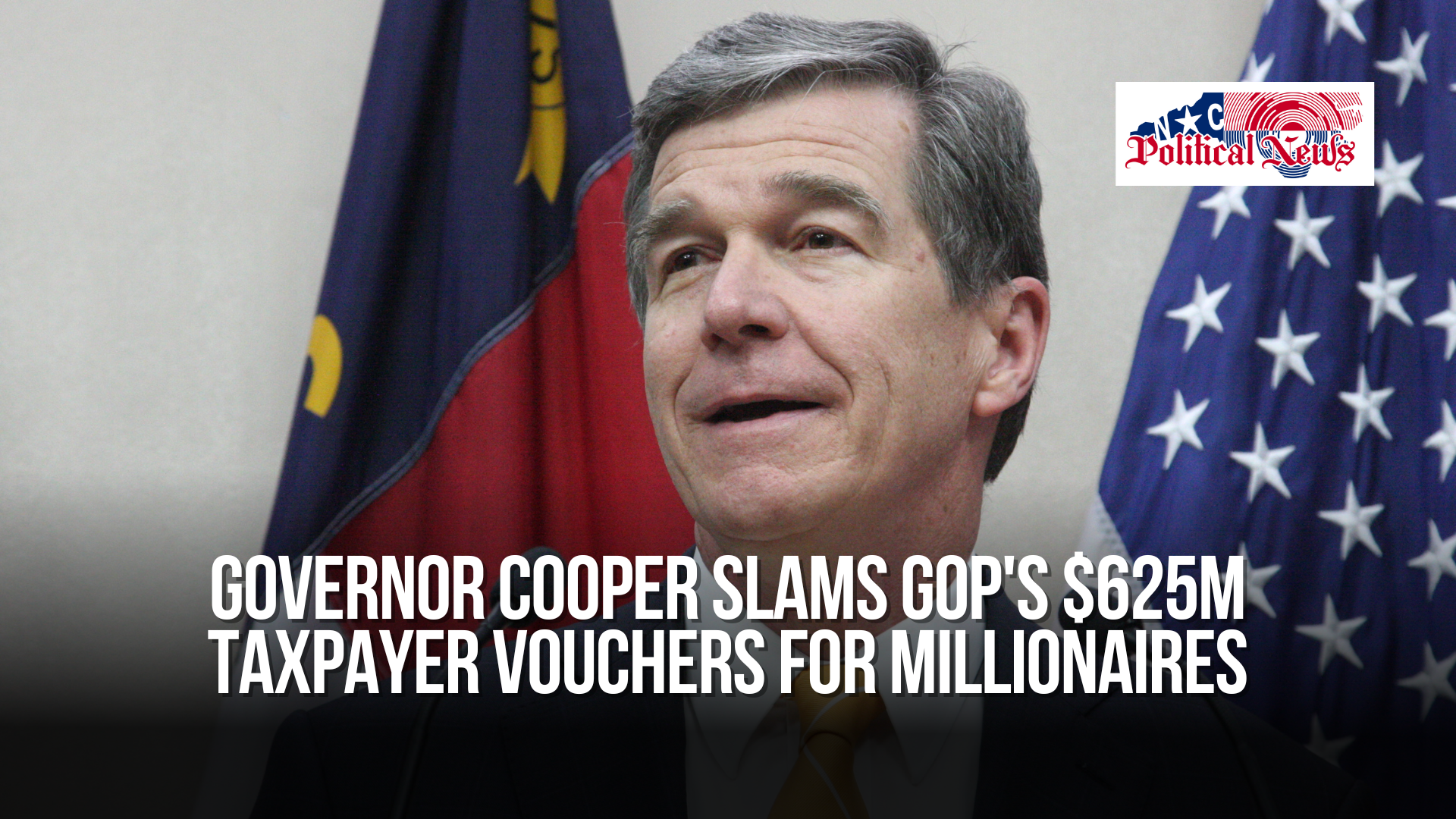
RALEIGH: Today, Governor Roy Cooper and Democratic legislative leaders held a press conference highlighting Republican legislators' disastrous plan to spend hundreds of millions of dollars more on taxpayer funded private school vouchers while that should be going to public schools. The Governor was joined by Rep. Robert Reives, Sen. Dan Blue, Sen. Michael Garrett, Sen. Lisa Grafstein, Rep. Sarah Crawford and Rep. Cynthia Ball.
RALEIGH - North Carolina students continue to see gains in most grades and subjects, according to the 2023-24 state test results presented to the State Board of Education on Wednesday. Schools also showed progress on accountability measures.
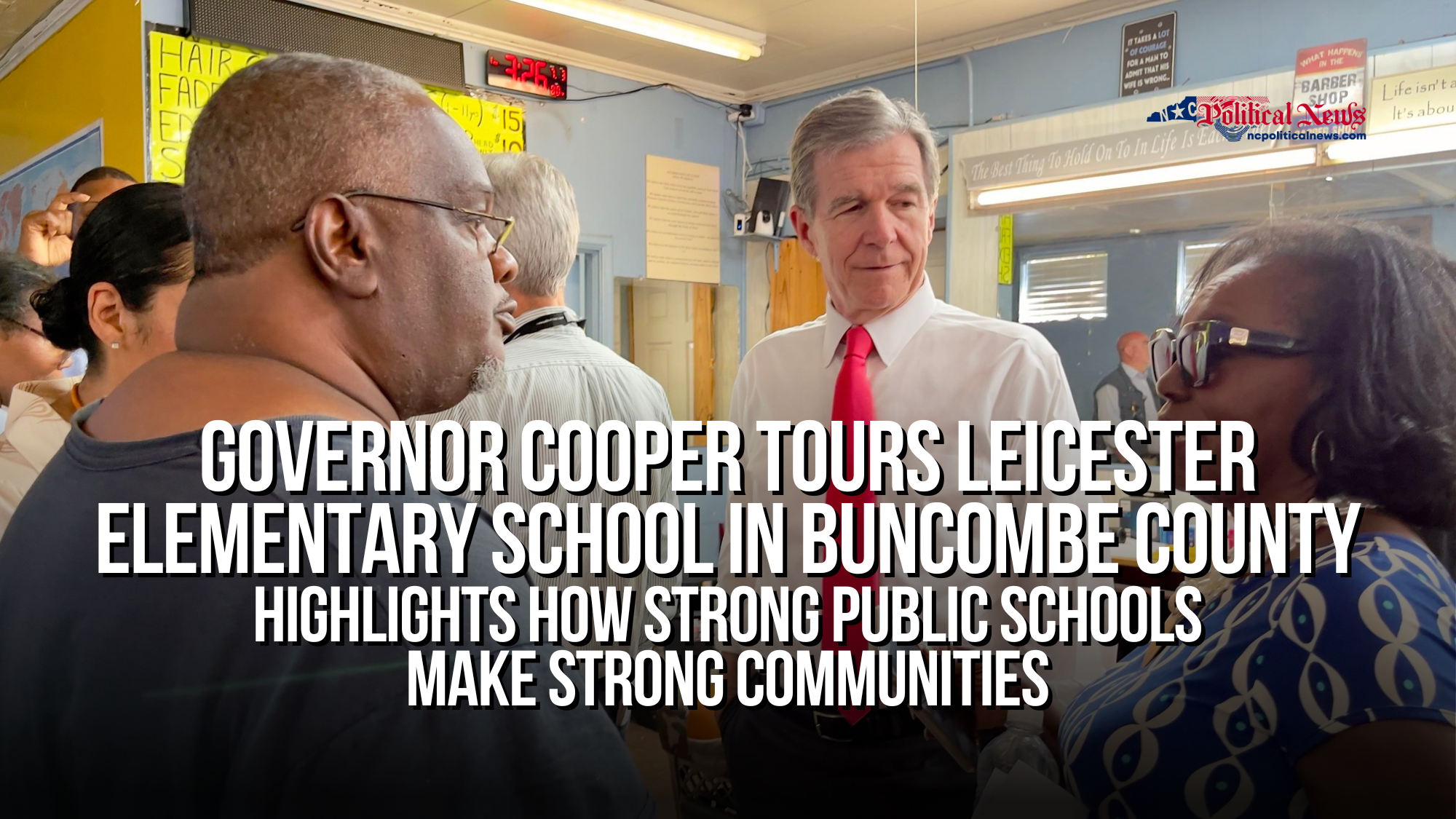
RALEIGH: On Tuesday, Governor Roy Cooper visited Leicester Elementary School in Buncombe County as part of the “Year of Public Schools” education tour and delivered supplies collected from the Governor’s School Supply Drive. The Governor was joined by teachers, students, local and state education leaders and local elected officials as he highlighted the outstanding work taking place in North Carolina’s public schools and how public education is strengthening North Carolina’s communities.
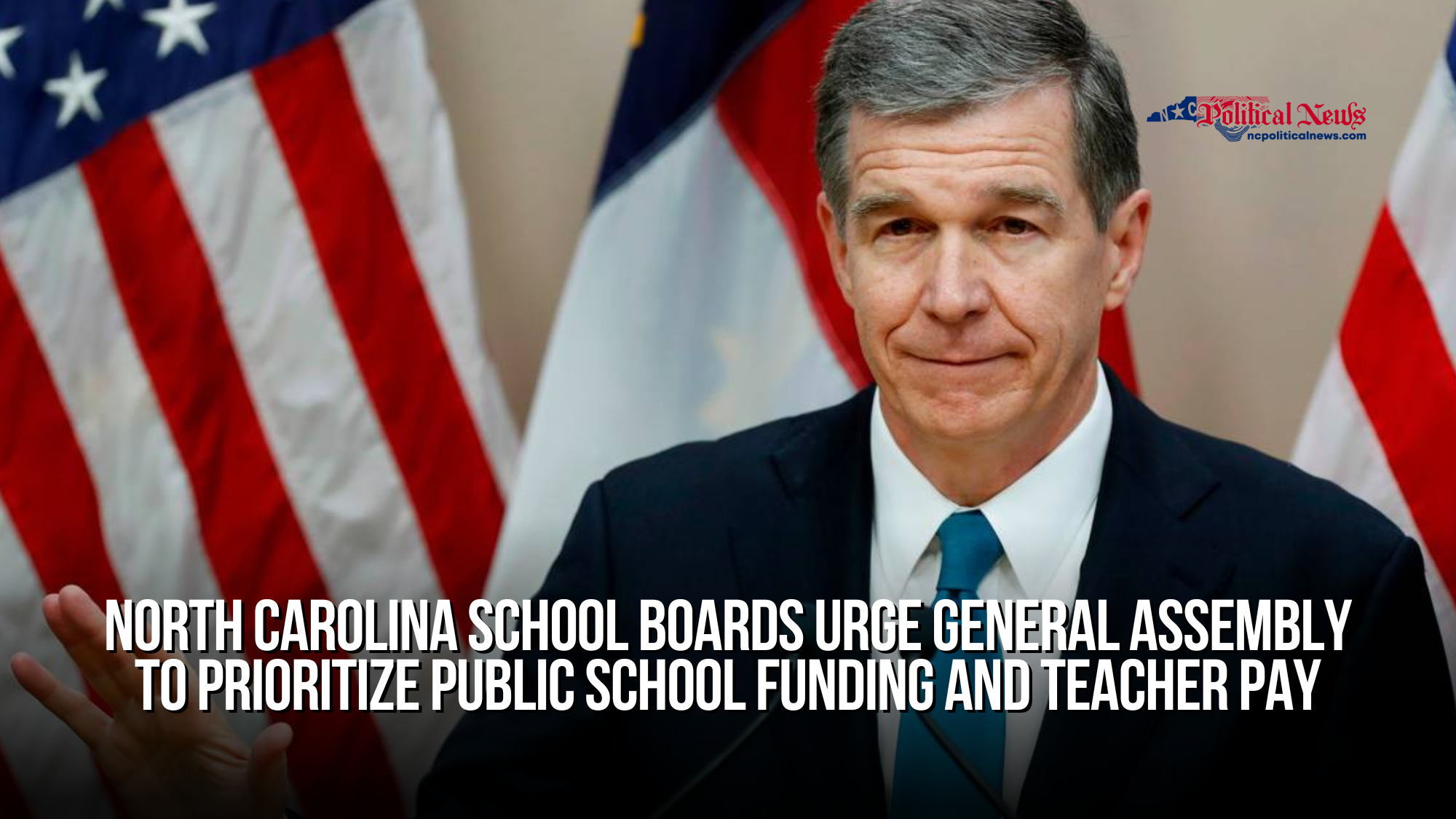
RALEIGH: As Governor Cooper continues the “Year of Public Schools,” school boards from at least 10 school districts are calling on the General Assembly to make meaningful investments in teacher pay and fully fund our public schools instead of further expanding the state’s dangerous taxpayer-funded private school voucher scheme.
(RALEIGH) Attorney General Josh Stein this week met with public school teachers and principals from across North Carolina for a conversation about the state of North Carolina’s public schools and how North Carolina can support students and teachers.
RALEIGH — Having spent most of my career commissioning, editing, or writing about public policy research, I understand its inherent limitations. Still, I cling to a belief, however naïve it may be, that careful study of complex problems can produce at least some clear answers that most policymakers will accept.
Decisions about education are some of the most important decisions families – and therefore state leaders – make. Just as parents consider the many school choices available in North Carolina, lawmakers are making choices about where to put our taxpayer dollars to yield the best outcomes for our children.
On May 23 the University of North Carolina System Board of Trustees voted to repeal its Diversity & Inclusion Policy in favor of “institutional neutrality.” This new policy, which was introduced in April, will remove funding for DEI offices and eliminate various diversity-related positions across the 17 UNC System schools. Chancellors will be required to report cuts to existing jobs and DEI spending by September 1.
North Carolina is a diverse state and that diversity is our strength. It is troubling to see the continued politicization of important state institutions, particularly higher education.
Republican legislators signaled that one of their top priorities this session is using more taxpayer money to fund private school vouchers for millionaires instead of increasing teacher pay or fully funding North Carolina’s public schools where more than 8 in 10 students receive an education.
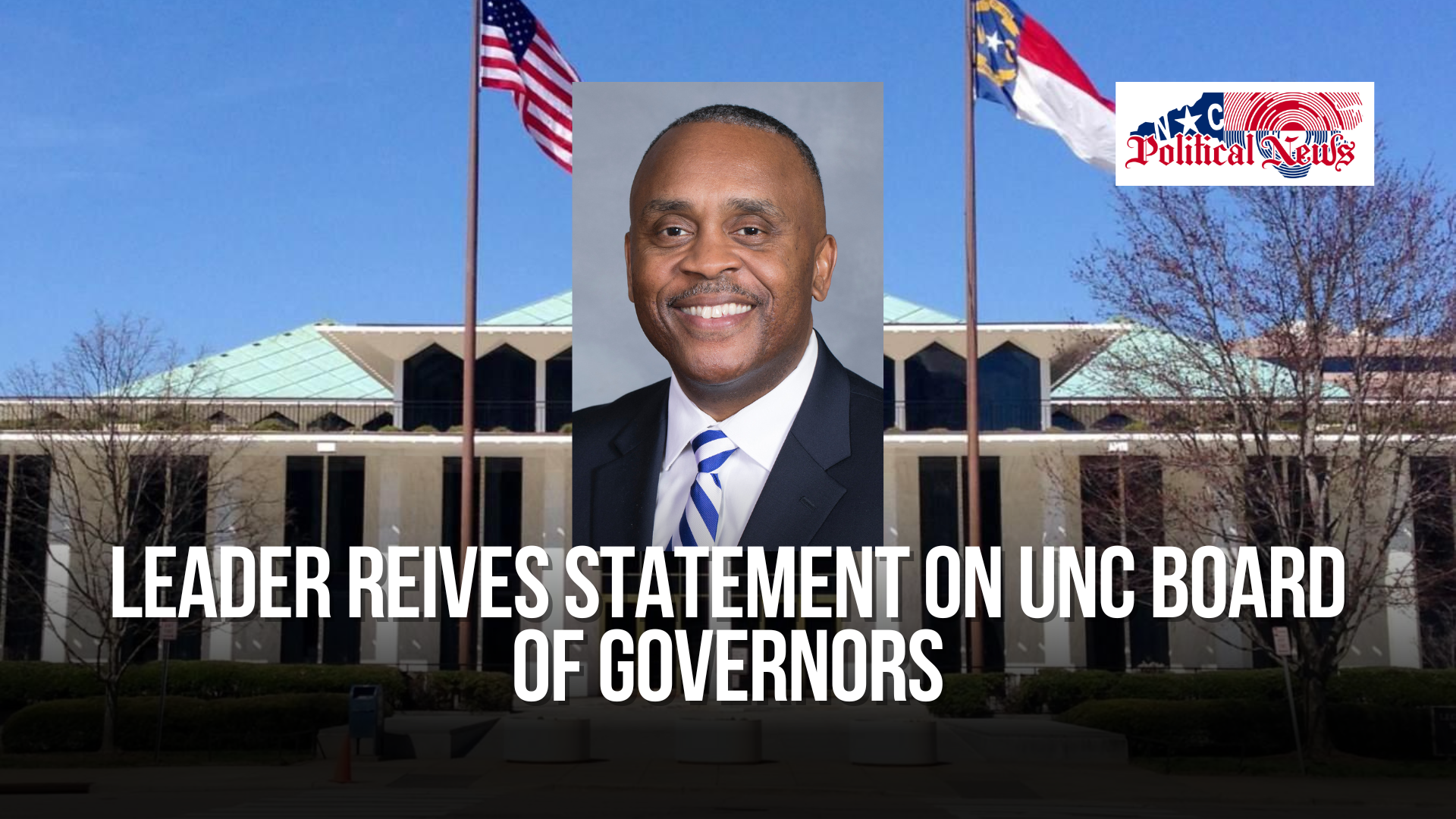
"Today, the UNC Board of Governors Committee on University Governance has voted to advance a proposal that will reverse course on policy our university system has had in place for years to foster diverse, inclusive campuses across our state. Our public universities are great because of the diverse opinions, people and mutual respect that are the hallmark of a liberal arts education."