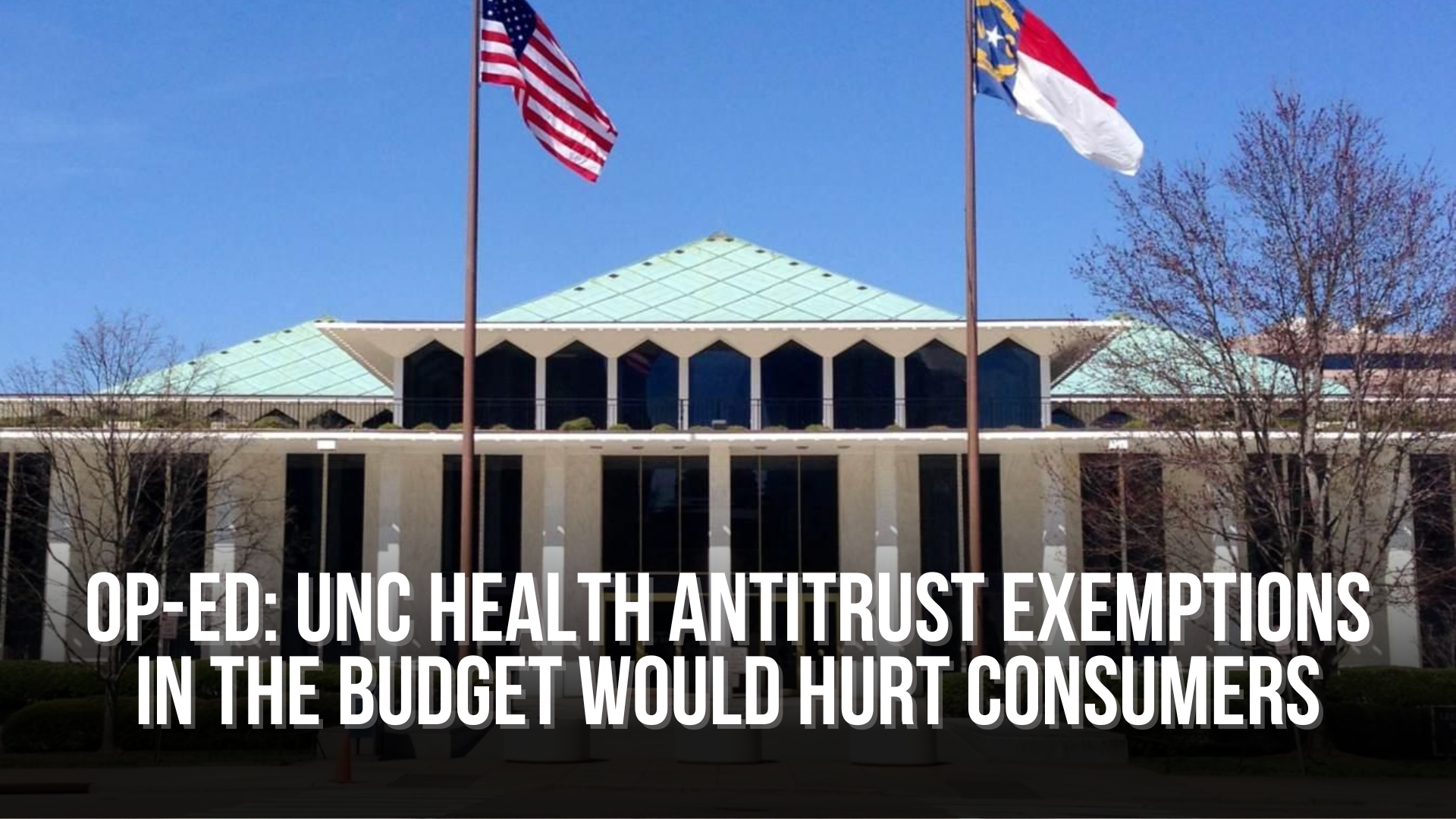
Right now, the proposed state budget includes changes that would be a huge step backward for healthcare in North Carolina. As our options for healthcare grow, patients deserve the protections currently in place to ensure that growth is fair.
There are likely only a few weeks left in this year’s North Carolina legislative session, and health care has been one of the hottest topics in Raleigh. Issues like expanding Medicaid and legalizing medical marijuana have gotten the most attention, but other major proposals have flown under the radar.
Last month I joined dozens of other writers, scholars, activists, and leaders across the country to declare ourselves “Freedom Conservatives.” What do FreeCons stand for? You can read our statement of common principles at FreedomConservatism.org.
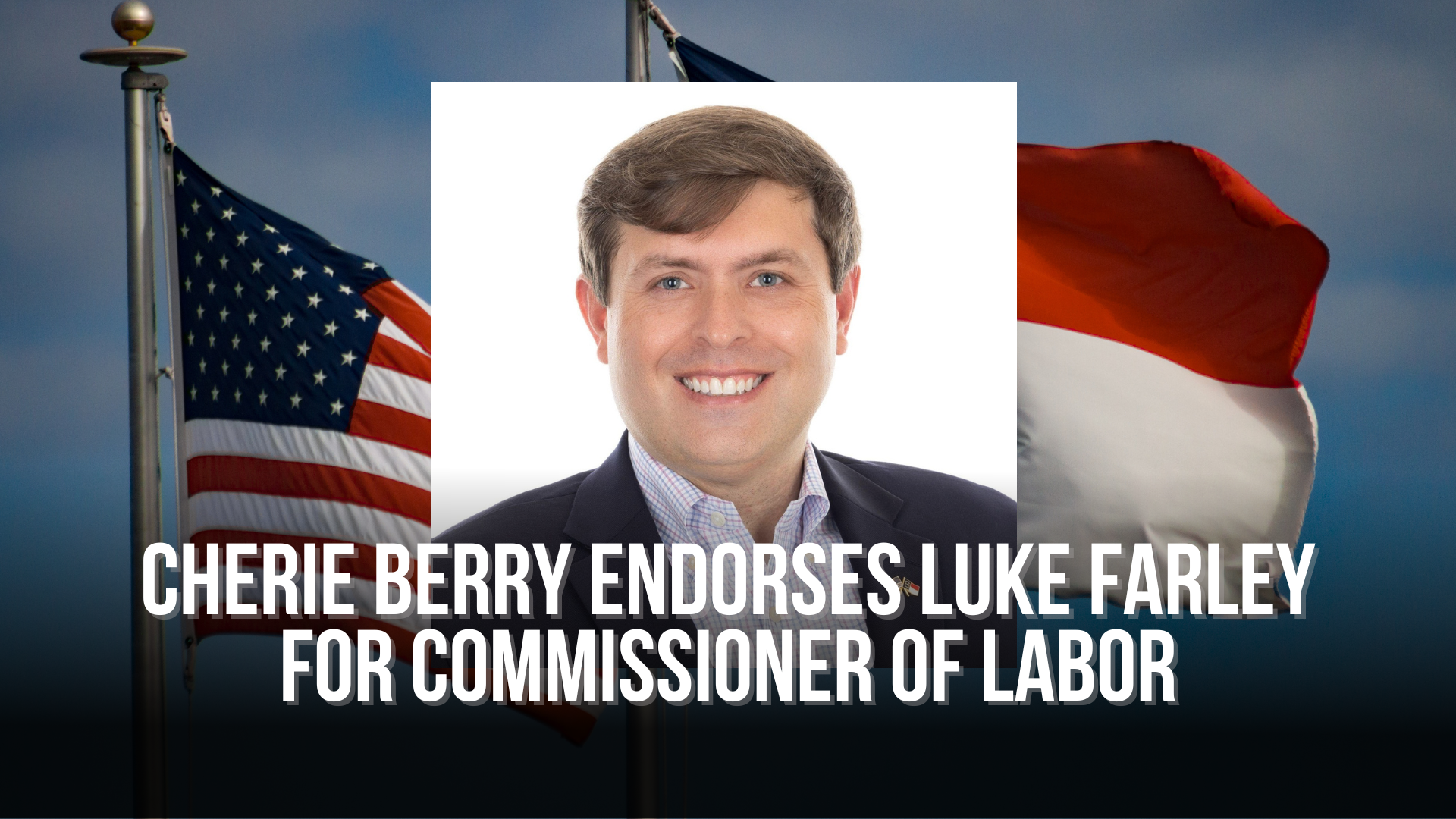
Former Labor Commissioner Cherie Berry, the longest-serving commissioner in North Carolina history, has endorsed Luke Farley to be the next Labor Commissioner.
Over the next 25 years, the market for electrical power in North Carolina will undergo dramatic change. If progressives get their way, government will use a combination of subsidies and mandates to vastly expand our dependence on solar and wind. If cooler heads prevail, we will vastly expand our use of nuclear energy
A new study of occupational-licensing laws is out — and the results aren’t pretty for North Carolina. According to a report by the Archbridge Institute, which studies barriers to economic mobility, the Tar Heel State has the eighth-highest level of occupational licensing in the country.
With my longtime friend Andy Wells, a former state senator, joining the Republican primary field for governor and Supreme Court Justice Mike Morgan publicly considering a run for the Democratic nomination, now seems like an opportune time to answer a frequently voiced question.
North Carolina has enjoyed more than a decade of conservative governance. It’s brought our state impressive growth and widespread acclaim. The General Assembly has reformed and reduced state taxes, lightened the regulatory burden, invested in infrastructure, and promoted choice and competition in public services, among other accomplishments.
In North Carolina, the political label “conservative” is more popular than the terms “liberal” or “progressive.” In the most recent John Locke Foundation poll, for example, 46% of likely voters described themselves as conservatives, with 25% picking the liberal label and the rest either “moderate” or nothing at all. If we broaden out to include all North Carolinians, not just those who reliably vote, the gap shrinks a bit. But conservatives still form a plurality — and they significantly outnumber liberals.
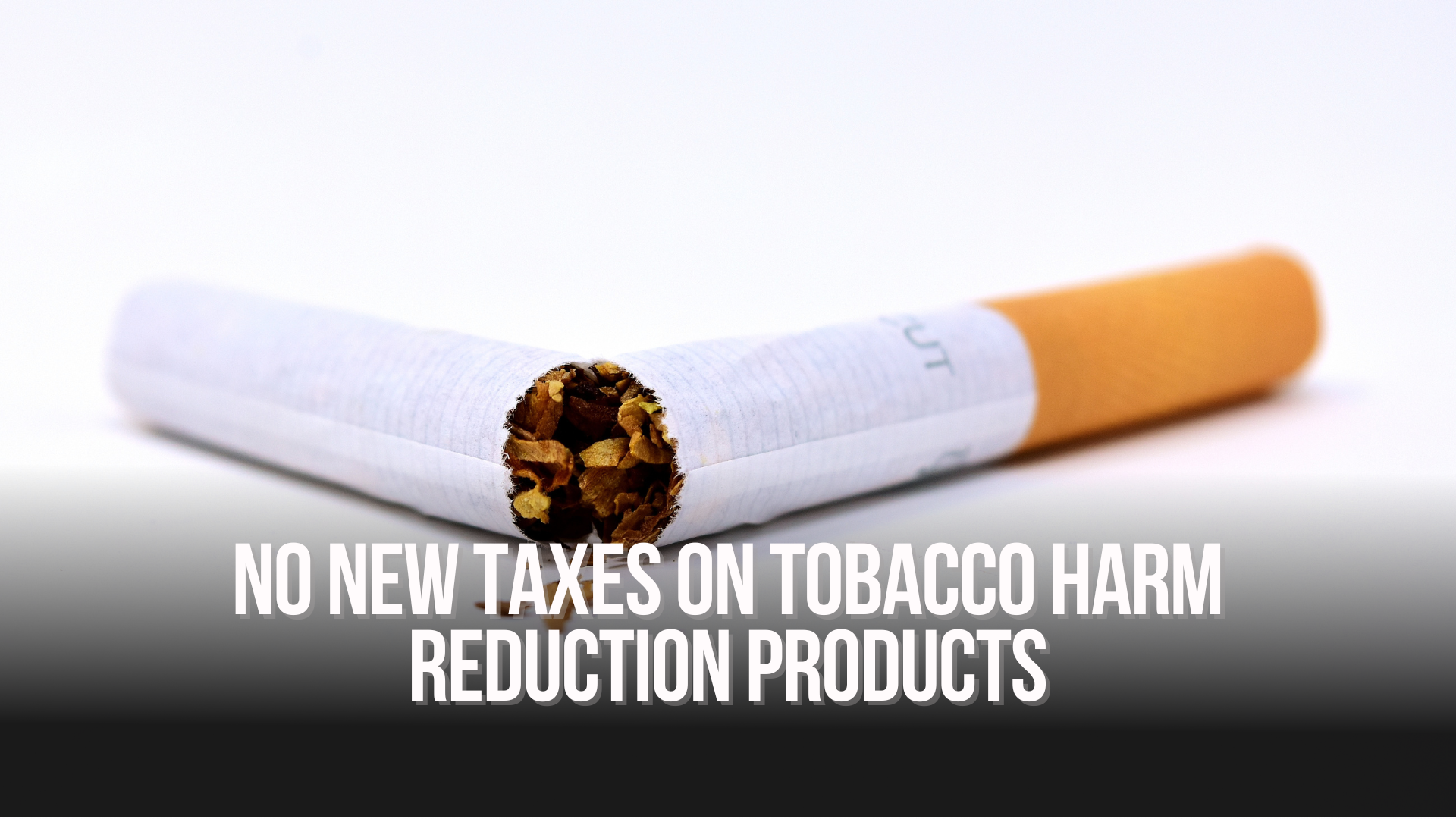
Access to better, safer alternatives to cigarettes is once again under attack, this time in North Carolina where lawmakers are considering a new tax on nicotine pouches. Proposals such as these have become all too familiar as more and more lawmakers look at ways to restrict access to reduced harm products that adults use as alternatives to tobacco products.
Because Gov. Roy Cooper’s former secretary of health and human services, Mandy Cohen, just got the nod from President Joe Biden to be the next director of the Centers for Disease Control, politicians and analysts are again debating how North Carolinians fared during the COVID-19 pandemic.