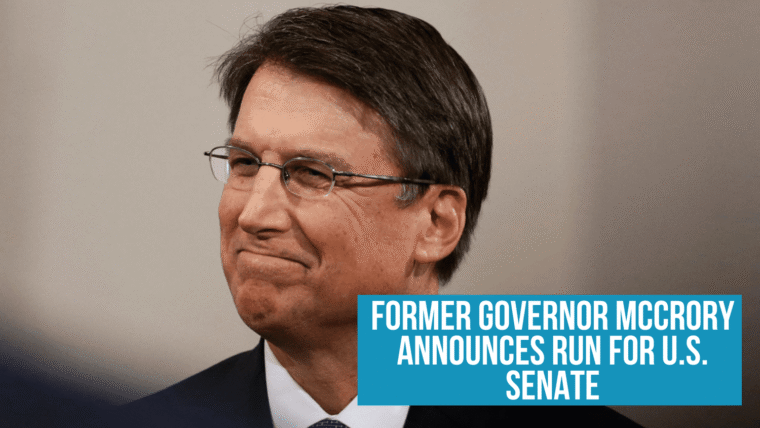
In a video attacking the Biden-Harris administration for open borders and proposed tax increases, on Wednesday morning former N.C. Governor Pat McCrory made it official and became the second high-profile Republican candidate to enter the 2022 U.S. Senate race. The candidates compete to replace three-term Republican U.S. Senator Richard Burr who is retiring from Congress.
Is it the job of government to make you happy? While it may seem like a straightforward question, there are some important subtleties packed into those few words.
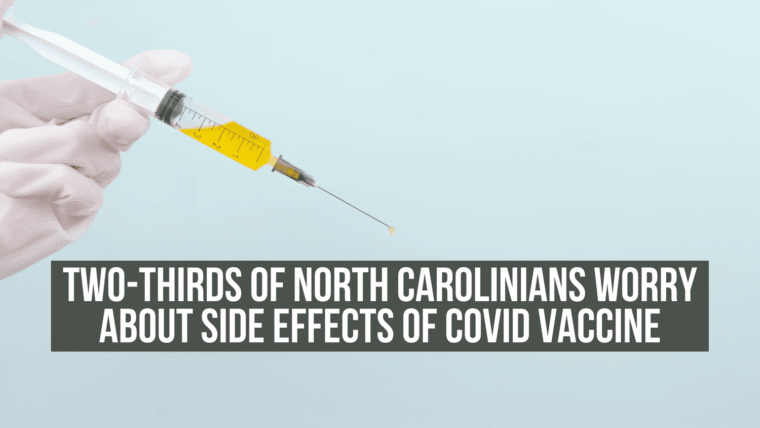
Nearly two-thirds of North Carolinians worry about harmful side effects of the COVID-19 vaccine, even as a growing majority say they’ll take it to get back to normal life.
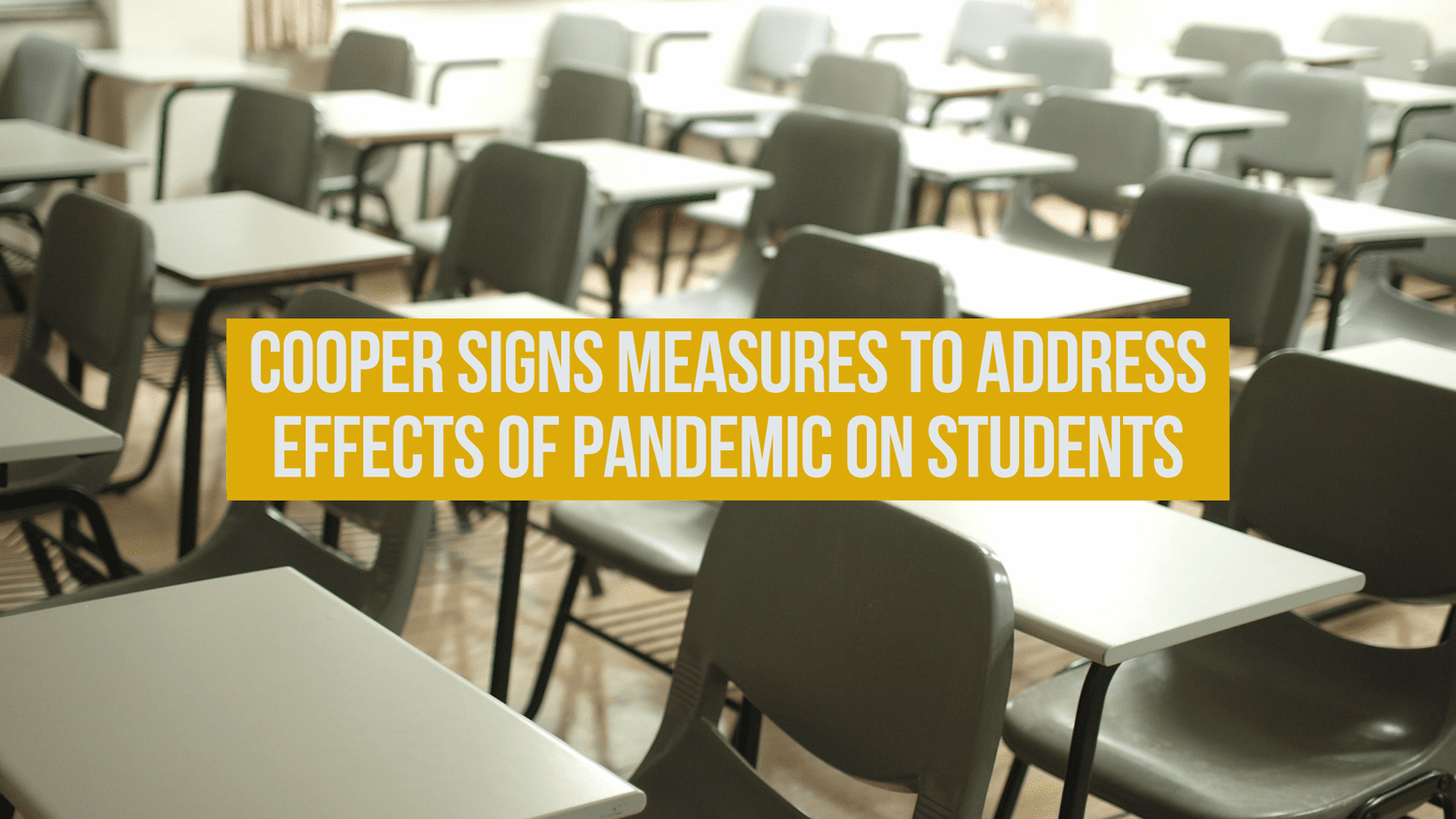
Gov. Roy Cooper on Friday, April 9, signed two bills into law designed to help students who lost more than a year of in-person learning because of the pandemic and subsequent lockdowns.
Three years after the N.C. electorate decided to add a voter identification requirement to the state constitution, Republican lawmakers are defending voter ID in court.
Public school teachers in North Carolina receive an average annual salary of $53,392 for the current school year, according to the latest figures from the N.C. Department of Public Instruction. That puts the state second best in the Southeast — behind Georgia — in average teacher pay.
North Carolina state government is headed into the 2021-22 fiscal year with nearly $5 billion in unanticipated revenue and unencumbered savings. Even after making critical deposits into the state’s rainy-day fund, reserve for repairing and renovating state buildings, and other accounts, there’ll be enough money left on the table to start a fight.
The General Assembly will consider a measure to enshrine North Carolina’s right-to-work policies in the state constitution. In essence, employees have the right — but not the obligation — to join a labor union.
Two bills sitting on Gov. Roy Cooper’s desk are designed to remediate learning losses for K-12 students left behind by classroom closures caused by the COVID-19 pandemic.
On March 31, the North Carolina Senate passed the hugely controversial SB 387, titled the Excellent Public Schools Act of 2021, by margin of 48 senators in favor, none opposed.