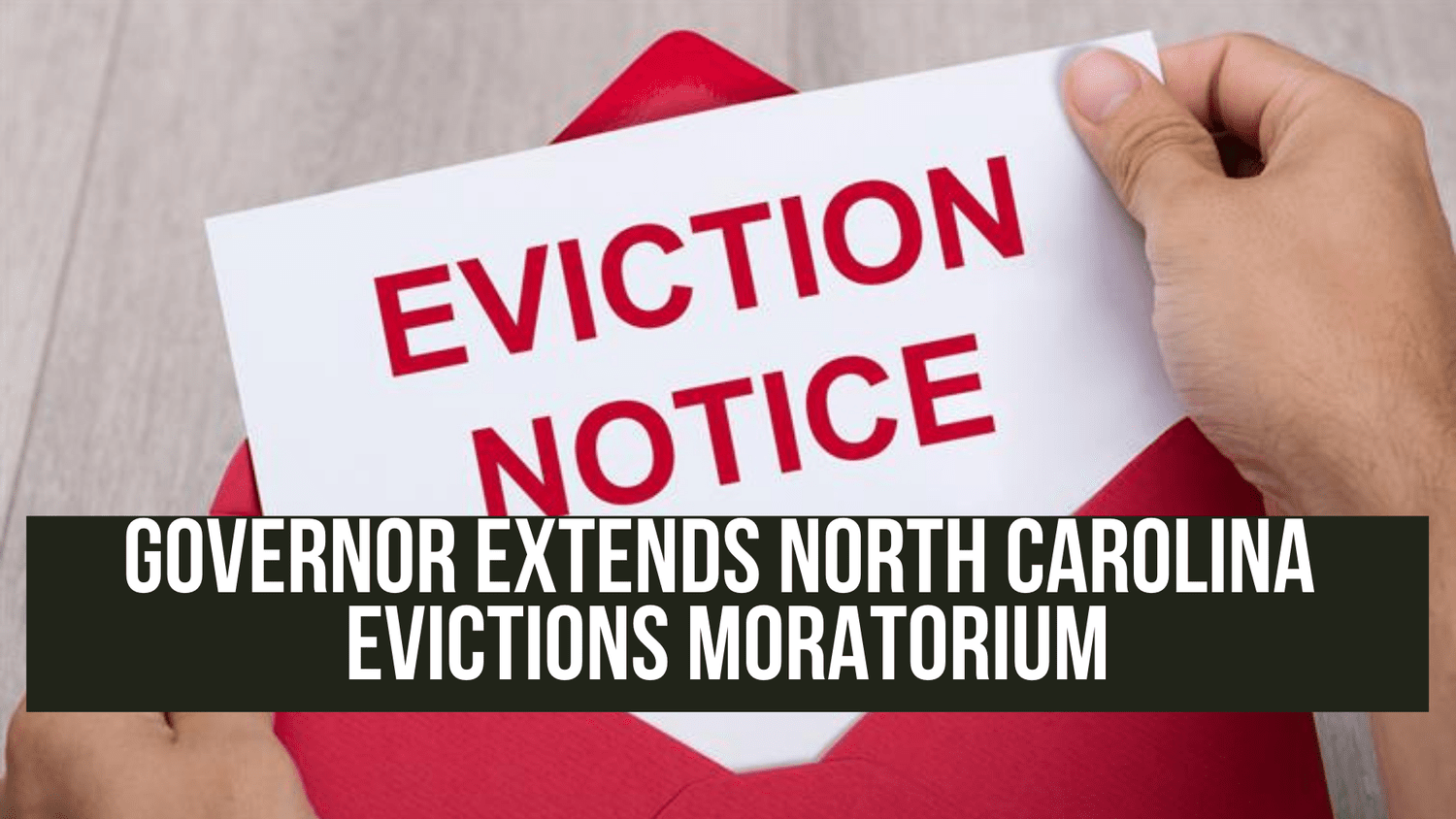
Governor Roy Cooper signed Executive Order 184, extending North Carolina’s evictions moratorium through January 31, 2021. Research shows that eviction moratoriums help prevent the spread of COVID-19. States that let their eviction moratoriums lapse saw a COVID-19 incidence rate that was 1.6 times higher than states that kept a moratorium in place.
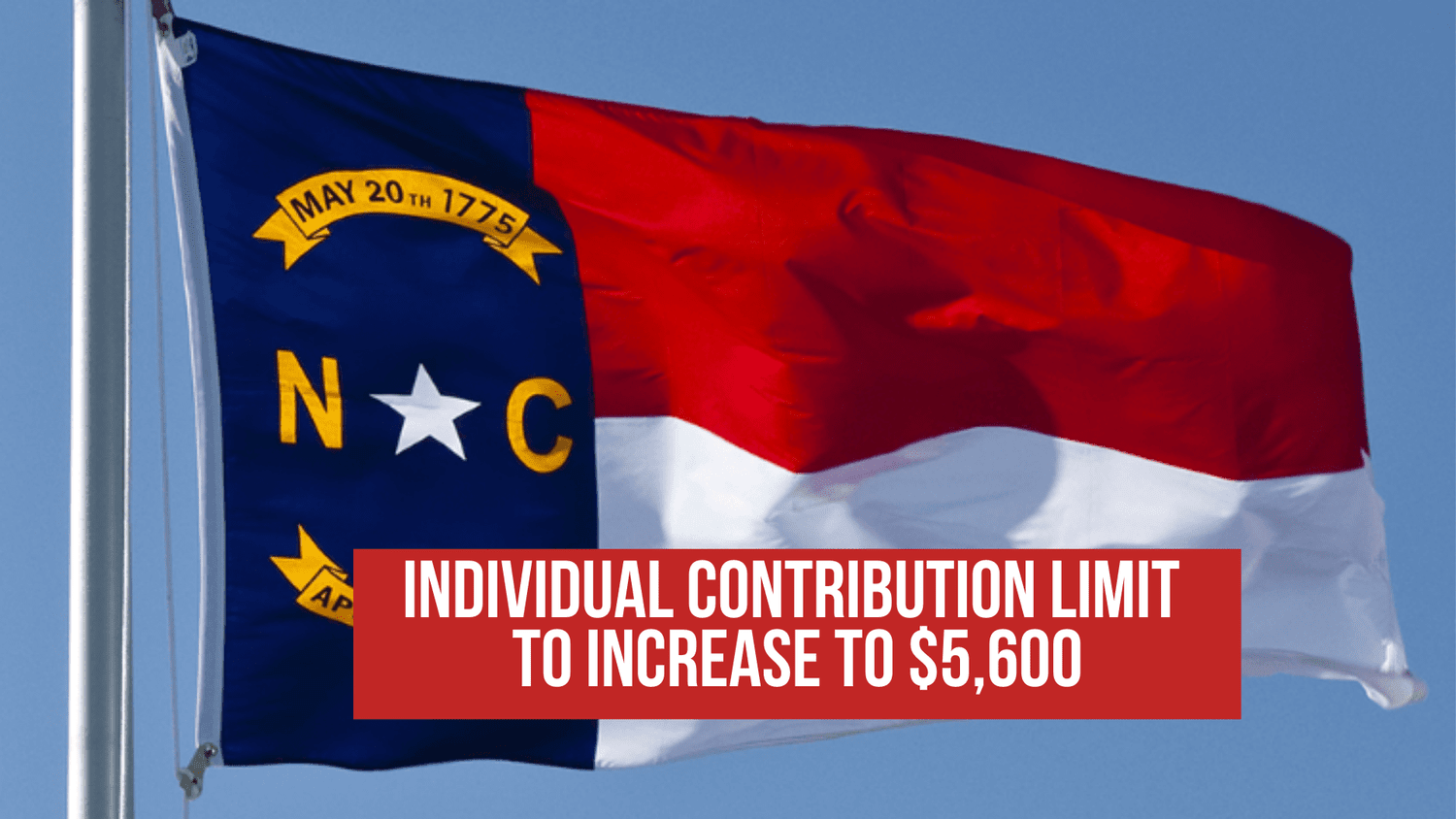
Effective Jan. 1, 2021, the contribution limit for North Carolina political campaigns will increase by $200, from $5,400 to $5,600. No individual or political committee may contribute more than $5,600 to a candidate committee or political committee in any election.
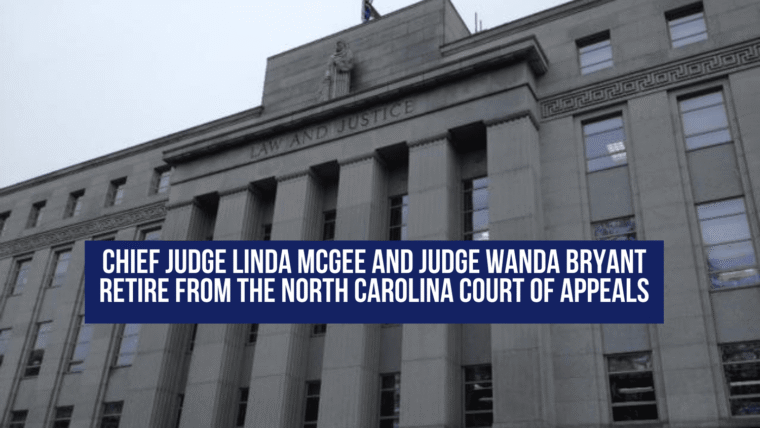
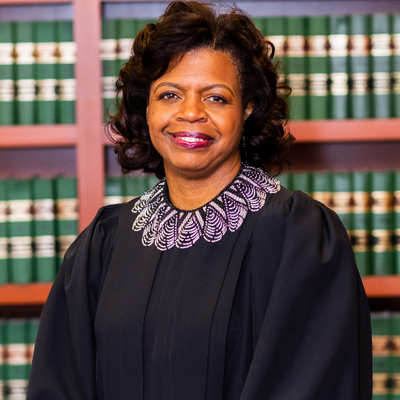
Chief Judge Linda M. McGee and Judge Wanda G. Bryant, both serving on the North Carolina Court of Appeals, are retiring today, December 31, 2020. Both judges have served long and distinguished careers and were recently honored for their service by Governor Roy Cooper with the Order of the Long Leaf Pine. This high honor was presented by Attorney General Josh Stein at a retirement luncheon for both judges.
The North Carolina Department of Health and Human Services announced it had updated its vaccination plan to align with new federal recommendations issued last week. The changes simplify the vaccine process and continue the state’s commitment to first protect health care workers caring for patients with COVID-19, people who are at the highest risk of being hospitalized or dying, and those at high risk of exposure to COVID-19.
As I wind down the final days of serving as Lieutenant Governor, Alice and I would like to take this opportunity to say thank you to the thousands of friends we have made across this great state. It has been one of the greatest honors of my life to serve our state as Lieutenant Governor for the past eight years, and to run for Governor in 2020, perhaps the most unique political year of the modern age.
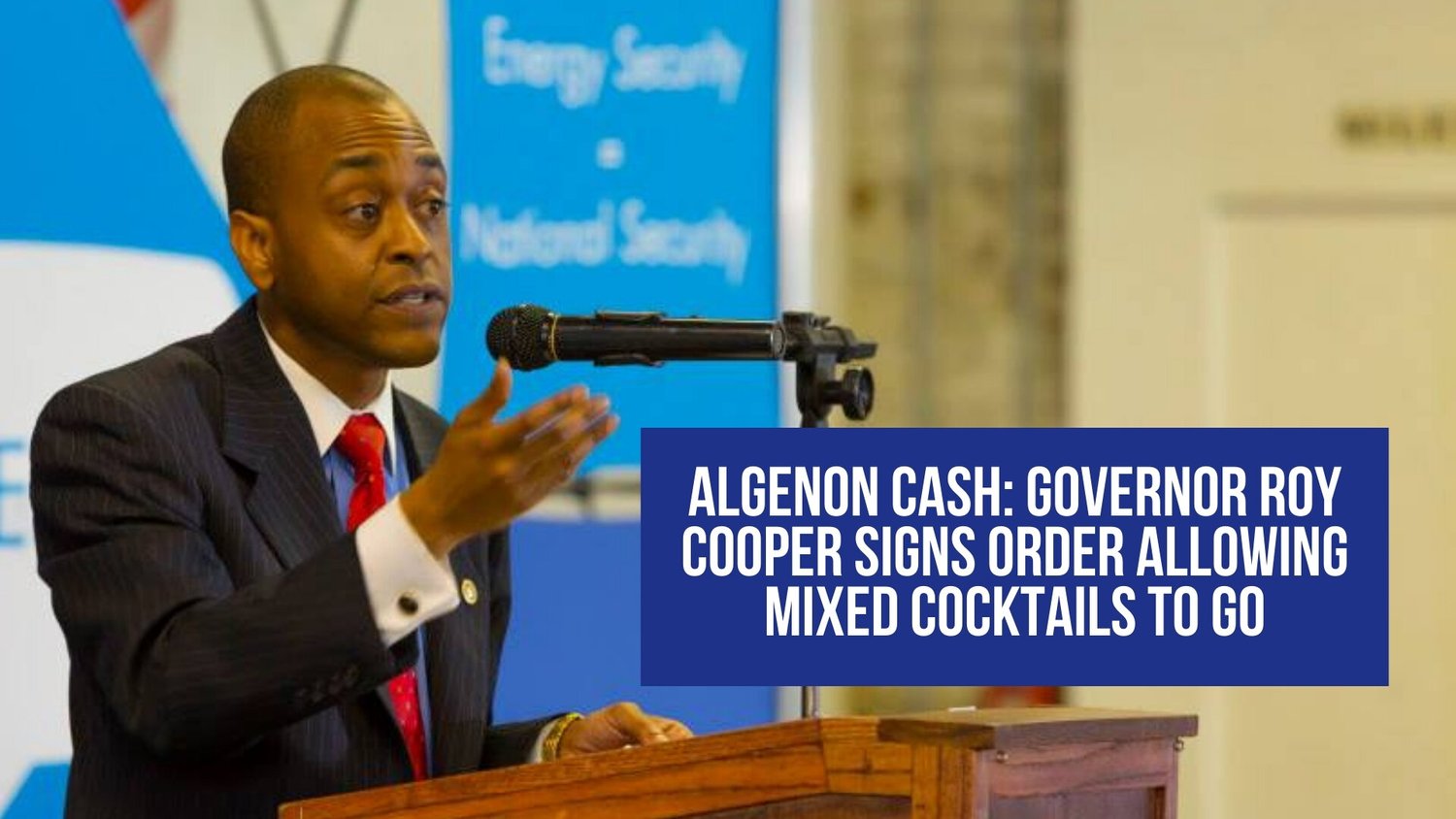
Governor Cooper just can’t seem to win for losing these days. The North Carolina Democratic Governor is popular with ordinary citizens, but not so much within the bar and restaurant community. The industry blames him for a wide range of woes since being placed under restrictions enacted in March to curb the spread of the novel coronavirus.
A second stimulus check was approved on Sunday as part of a $900 billion dollar bill. The $600 one-time payment will be sent to those eligible based on their 2019 reported income. The amount of the one-time payment depends on the income of the household. President Trump disagreed with the amount of the one-time payment, and instead recommended the amount of $2000 as a direct payment to eligible individuals. On Monday, the House of Representatives passed a measure to increase the stimulus checks to $2000. On Tuesday, Senate Majority Leader McConnell blocked a bid to unanimously pass the $2000 stimulus check without a vote, and then also blocked allowing a vote to be brought to the floor on Wednesday though he did say the $2000 stimulus check was his focus.
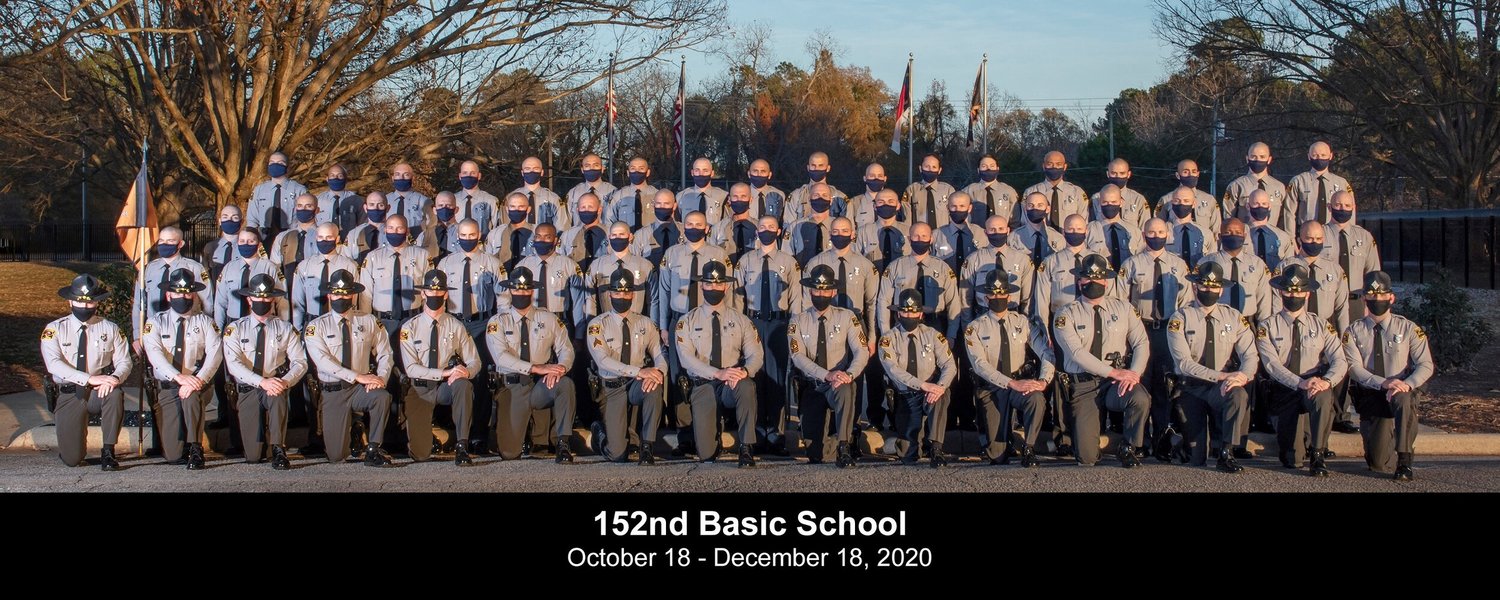
The State Highway Patrol proudly welcomed 50 new troopers at a graduation ceremony held for the 152nd Fast-Track Basic Highway Patrol School. The ceremony commemorates a historical first for the fast-track program as the cadets spent nine consecutive weeks at the training academy without visiting home. This training schedule was designed to ensure maximum protection for the cadets from outside exposure to COVID-19.
Governor Roy Cooper shared the following comment following the passing of former Senate President Pro Tem Marc Basnight, "North Carolina lost a giant today with the passing of my friend, Senator Marc Basnight. His positive influence on our public universities, transportation, environment and more will be felt for decades.”
When Democrats attack pro-growth tax reform as “trickle-down economics,” I can understand their rhetorical intent. But the charge is silly on multiple levels — including the fact that every Democrat who ever serves in state or local office spends great time and effort to try to recruit business executives, entrepreneurs, investors, and high-value professionals to their communities.
Bar owners from six counties across North Carolina are going to court to challenge the governor’s executive orders shutting down their businesses. Their lawsuit seeks to have a key piece of the state Emergency Management Act declared unconstitutional.