I’ve been spending a lot of time recently in conversation with right-leaning leaders, policy experts, donors, and activists. My purpose is to assess the health and trajectory of American conservatism at this critical moment.
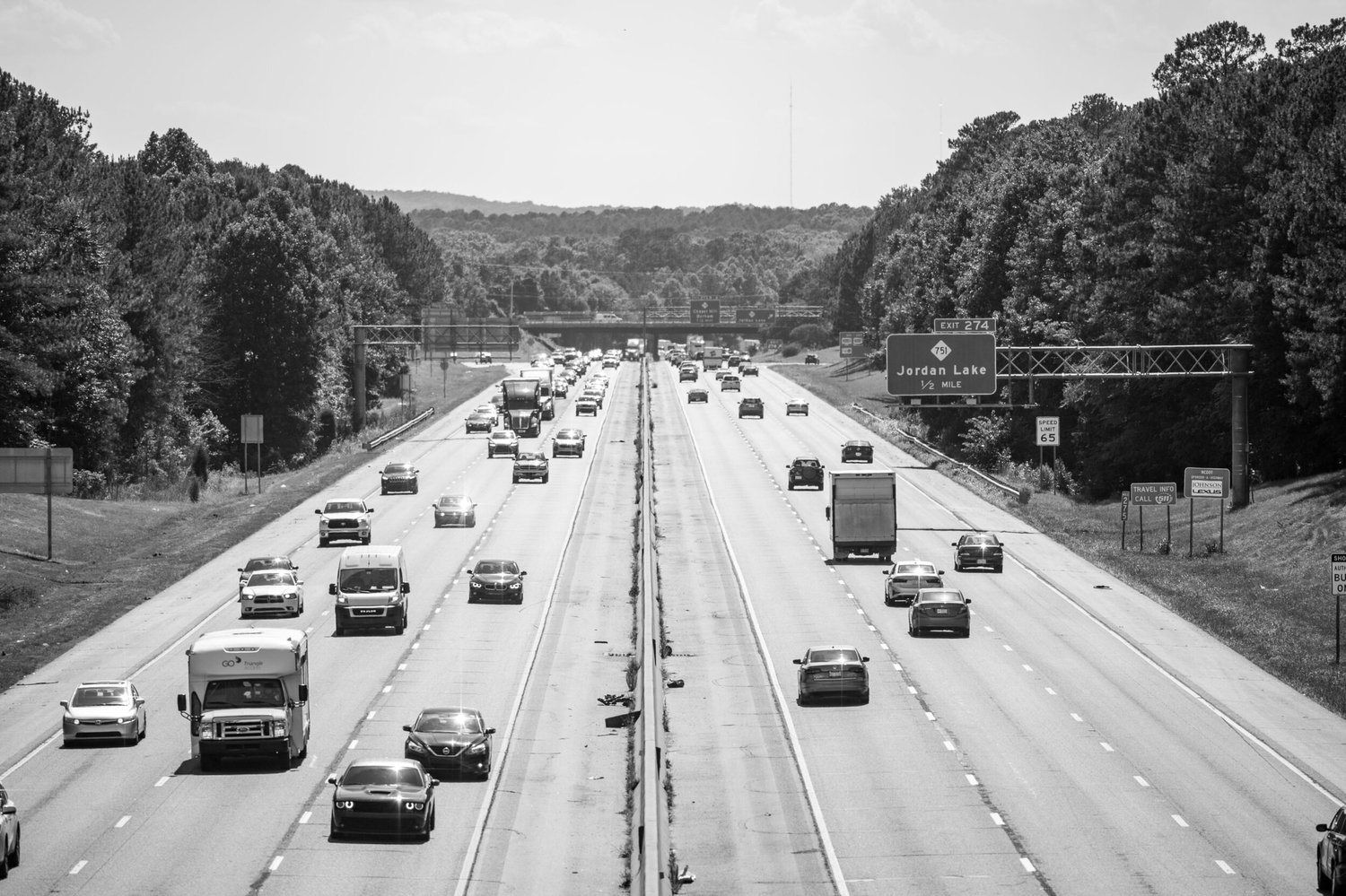
The N.C. Department of Transportation continues to be under the watchful eye of the state auditor, who in a report released this week says that department failed to exceed its developed spending plan only by pure luck.
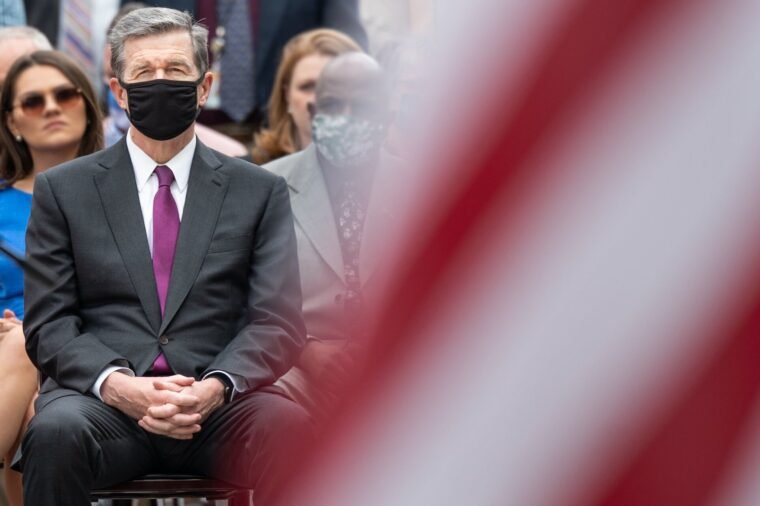
Gov. Roy Cooper wants a provision to curb a governor’s powers removed from state budget plans. Cooper, a Democrat, responding to a question during a press conference Wednesday, Aug. 18, said he plans to talk with Senate leader Phil Berger, R-Rockingham, as well as House Speaker Tim Moore, R-Cleveland, about his concerns.
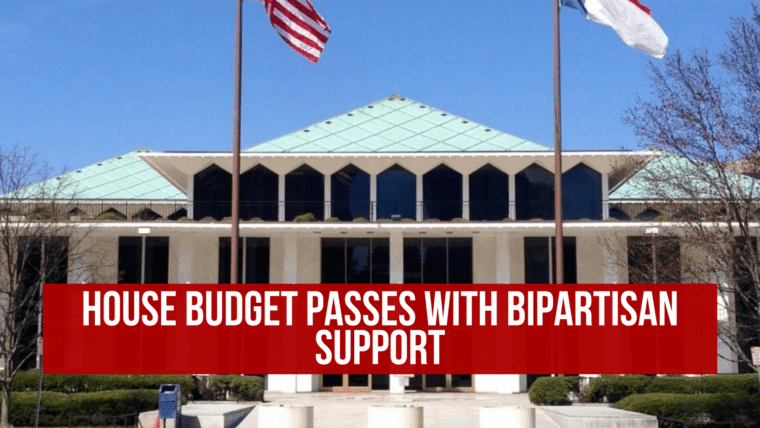
The House budget passed its third and final reading in a bipartisan vote Thursday afternoon, shining a spotlight on infrastructure, growth, and innovative projects to propel the state forward.
The U.S. House Appropriations Committee voted to cut $40 million from the federal Charter Schools Program, in a major policy shift away from the bipartisan support that charter schools have enjoyed in recent years.
Gov. Roy Cooper earlier this month signed an executive order prioritizing offshore wind energy as part of his administration’s Clean Energy Plan, which is focused on renewables to achieve goals such as reducing emissions by 70% by 2030.
Gov. Roy Cooper has vetoed a bill to ban abortions based on an unborn child's race or the presence of Down syndrome. It's his second veto in a week and third overall this year.
The N.C. Senate passed the body's state budget plan Friday by a vote of 32-18, with four Democrats joining all Republicans in supporting the plan. Sens. Ben Clark, D-Cumberland, Kirk DeViere, D-Cumberland, Paul Lowe, D-Forsyth, and Don Davis, D-Greene, supported the Senate budget.
The N.C. Senate voted Thursday to pass the body’s state budget plan by a vote of 32-18, with four Democrats joining all Republicans in supporting the plan. Sens. Ben Clark, D-Cumberland, Kirk DeViere, D-Cumberland, Paul Lowe, D-Forsyth, and Don Davis, D-Greene, supported the Senate budget.
State Senate leaders will propose spending $3 billion over the next two years on capital and infrastructure projects. That money is part of a larger 10-year, $12 billion “cash” plan tied to the Senate’s budget.
The North Carolina Senate passed a Republican-led tax reform package Wednesday evening in a quick, 36-14 vote that drew eight Democrats to cross the aisle and vote in favor of the bill. House Bill 334 would raise the standard deduction from $21,500 to $25,500 for joint filers, which would take about a quarter of a million of the lowest-income North Carolinians entirely off the tax rolls. It also reduces North Carolina’s flat income tax rate for remaining taxpayers from 5.25% to 4.99%.
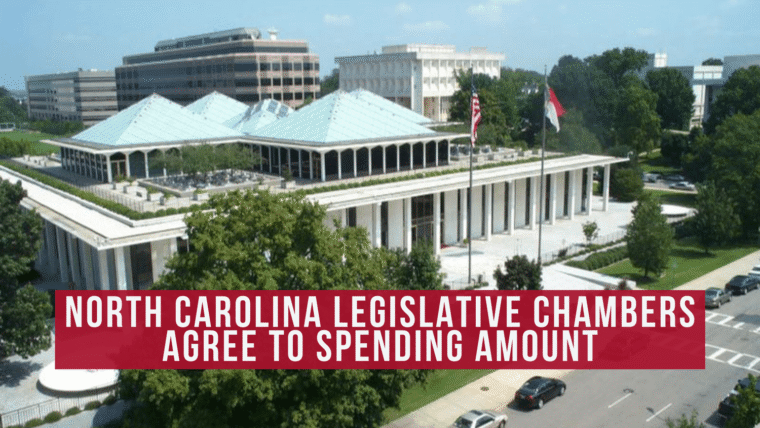
With the end of the state’s fiscal year just three weeks away, the N.C. House and Senate have reached a deal for the next budget. After weeks of closed negotiations, N.C. Senate and House leaders have agreed to a top-line spending number of $25.7 billion in the first year and $26.7 in the second year. That’s a spending increase of 3.45% in the first year of the biennium and 3.65% in year two.