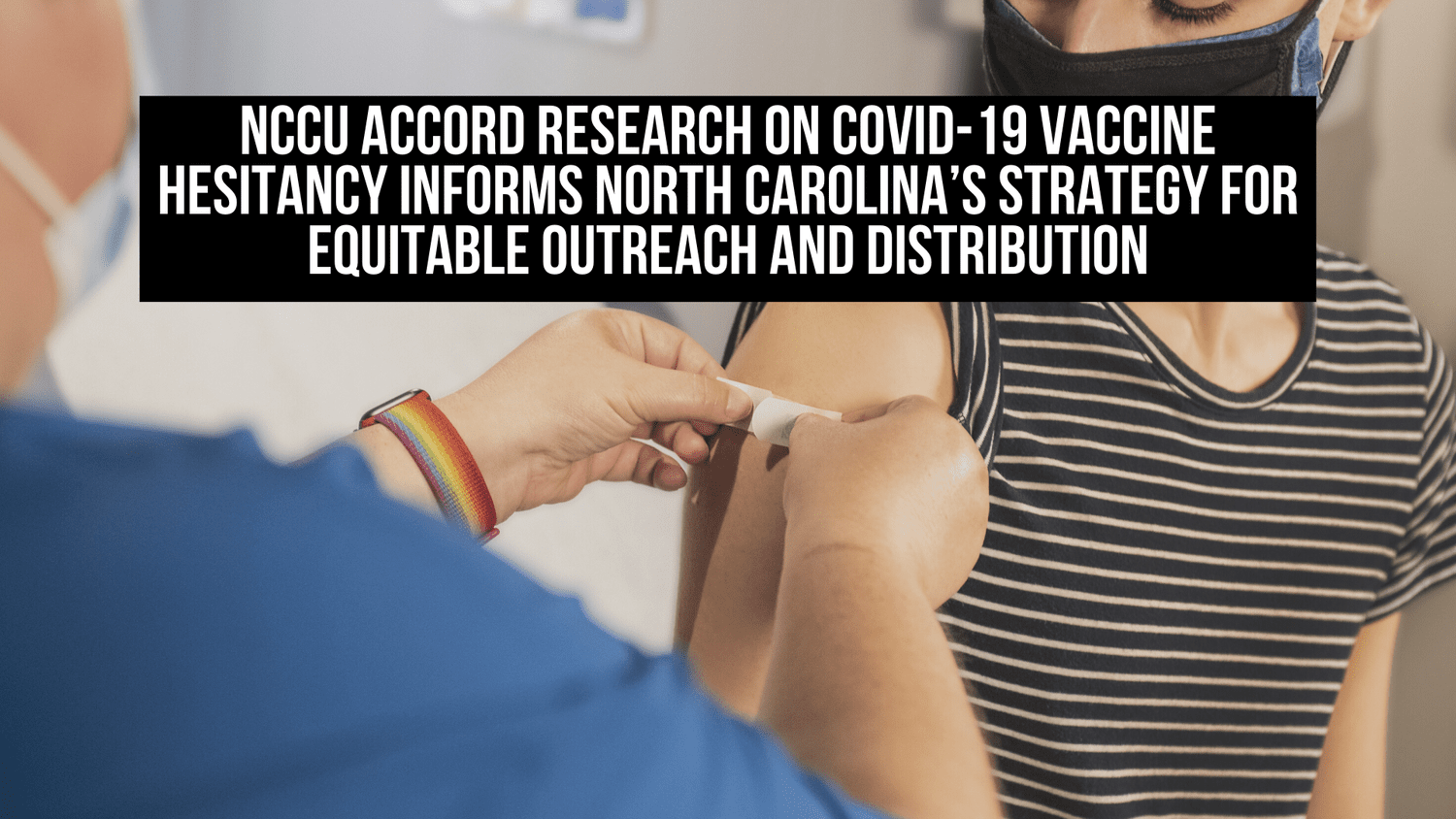
As part of its partnership with the North Carolina Department of Health and Human Services to research public attitudes toward COVID-19, the North Carolina Central University Advanced Center for COVID-19 Related Disparities' (ACCORD) new research study shows communication about the safety and effectiveness of COVID-19 coupled with local access to COVID-19 vaccination can significantly reduce vaccine hesitancy among historically marginalized people.
State economists project North Carolina will have 17.6 percent more revenue this year than projected last year, an amount that can help rebuild the state as its economy emerges from the COVID-19 pandemic.
The North Carolina Department of Health and Human Services today reported that North Carolina has reached a sobering milestone in the COVID-19 pandemic — more than 10,000 North Carolinians have died from the virus. The state also surpassed 800,000 total cases today.
Gov. Roy Cooper’s call for more money for schools while also indicating he would veto a bill that could send students back to school has many in the state scratching their heads.
Most North Carolinians don’t approve of the state’s vaccine rollout. More North Carolinians favor getting the COVID-19 vaccine, but that doesn’t mean they can, according to an Elon University Poll of nearly 1,500 residents conducted Jan. 29-31.
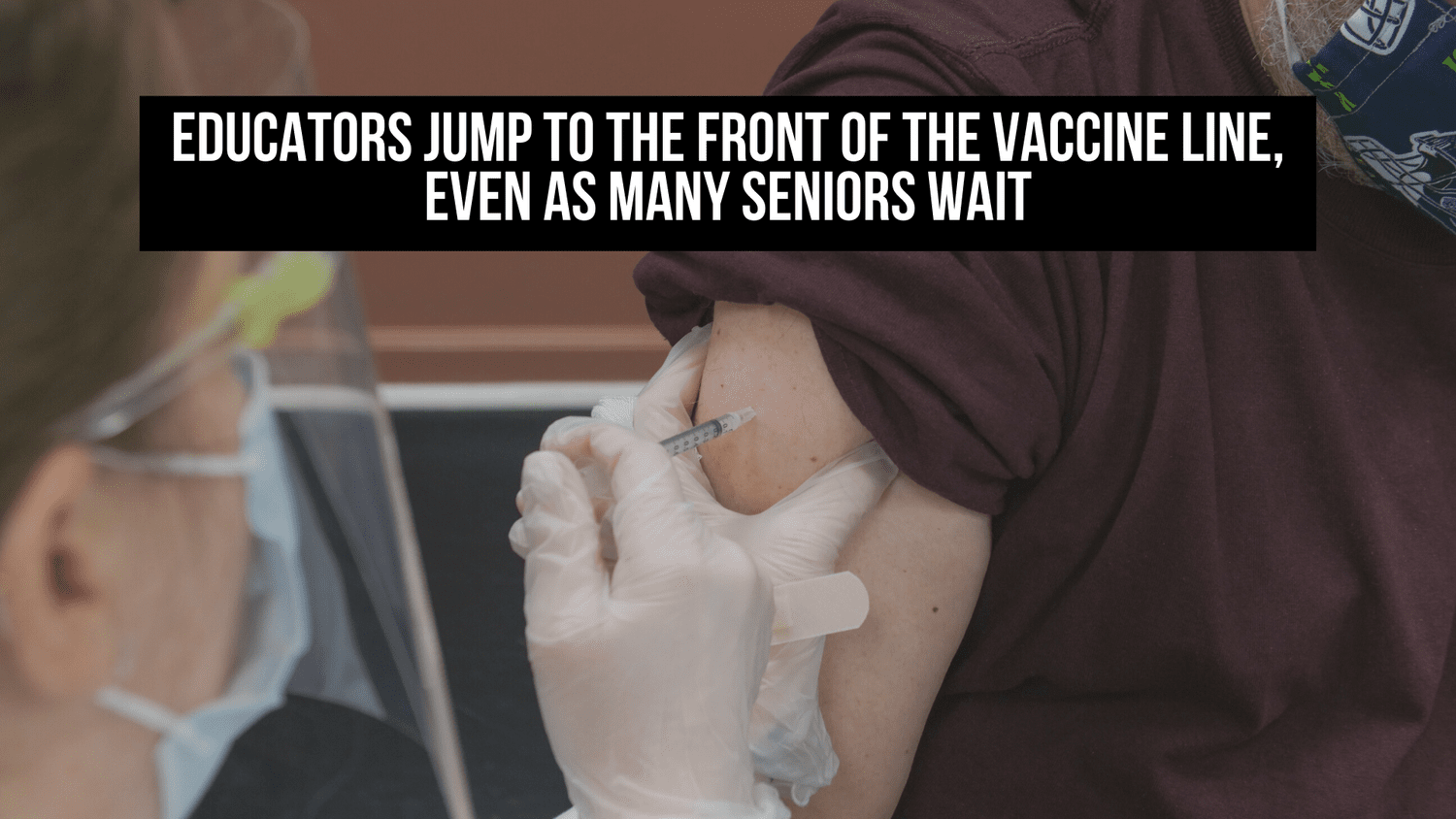
Education workers will leap to the head of the line for COVID-19 vaccines on Feb. 24. More than a million seniors are still waiting for their first dose.
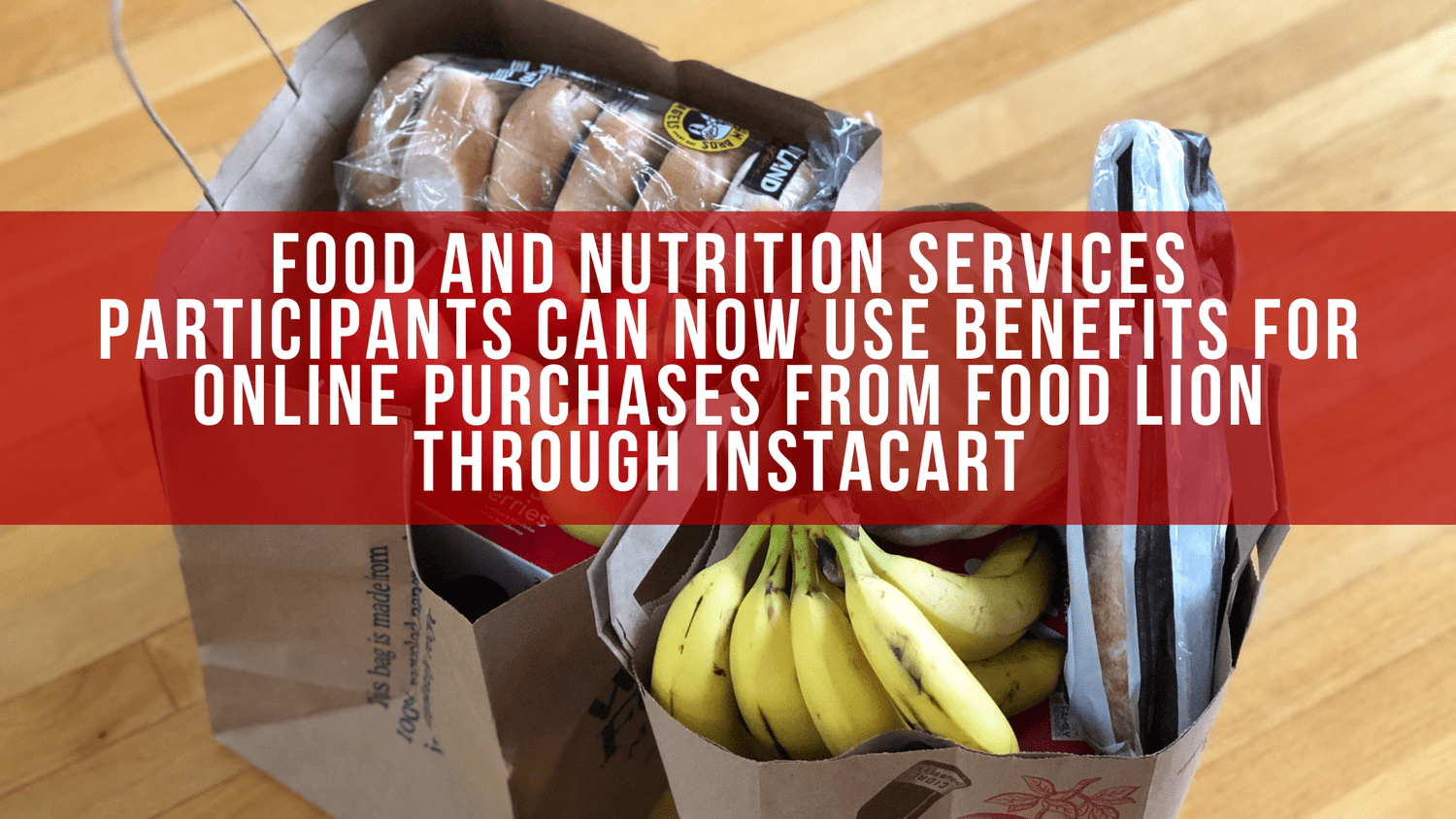
Starting today, North Carolina Food and Nutrition Services (FNS) participants can purchase groceries online using their Electronic Benefit Transfer (EBT) cards through Instacart.com or the Instacart mobile app, providing access to an additional authorized online EBT retailer, Food Lion. This flexibility will allow participants to buy food while promoting social distancing to prevent the spread of COVID-19 and will help families with transportation and mobility barriers.
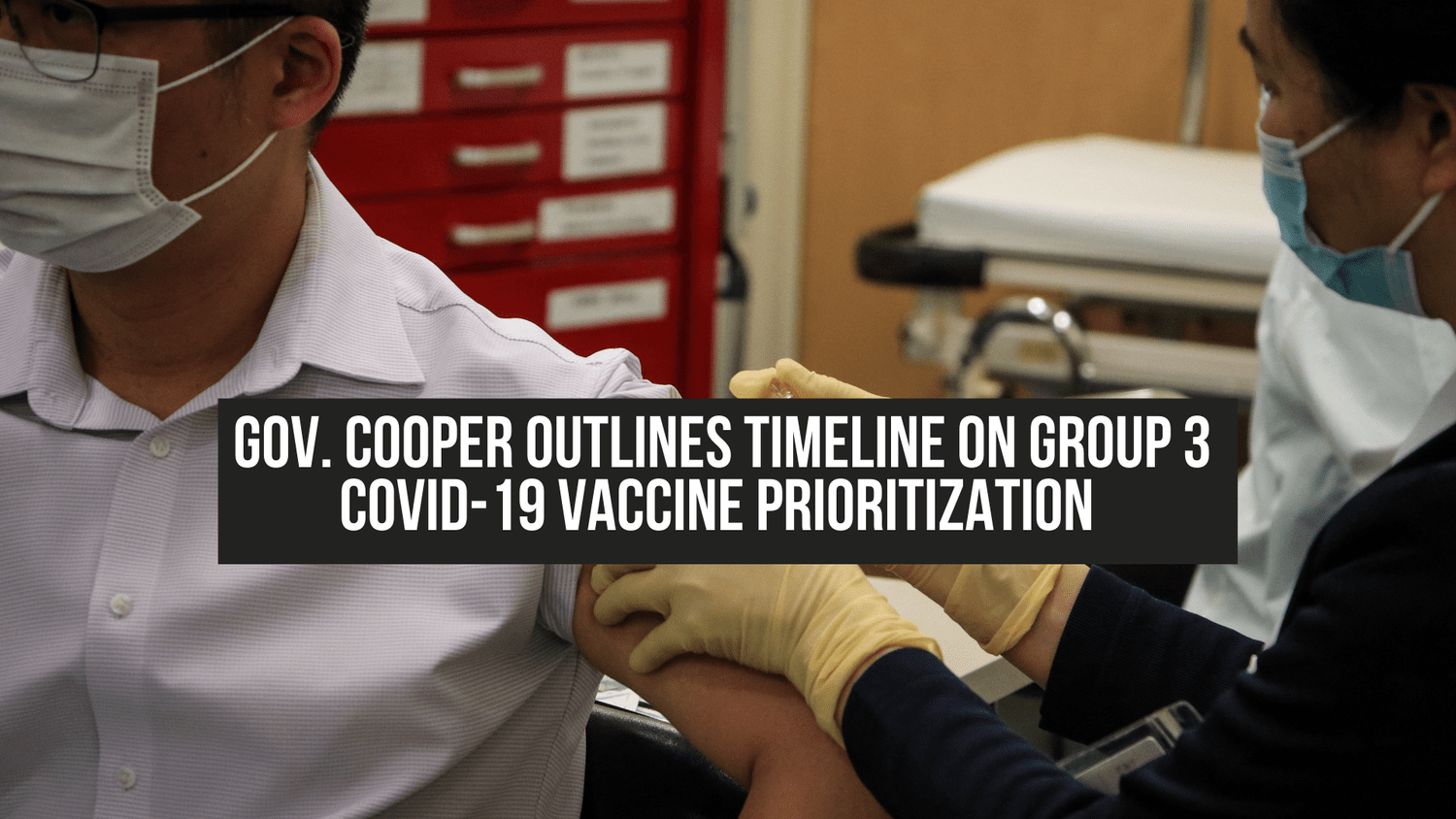
Today Governor Roy Cooper and North Carolina Department of Health and Human Services Secretary Mandy K. Cohen, M.D. outlined a timeline for Group 3 frontline workers becoming eligible to receive the Covid-19 vaccine, beginning with anyone working in child care or in PreK – 12 schools on February 24.
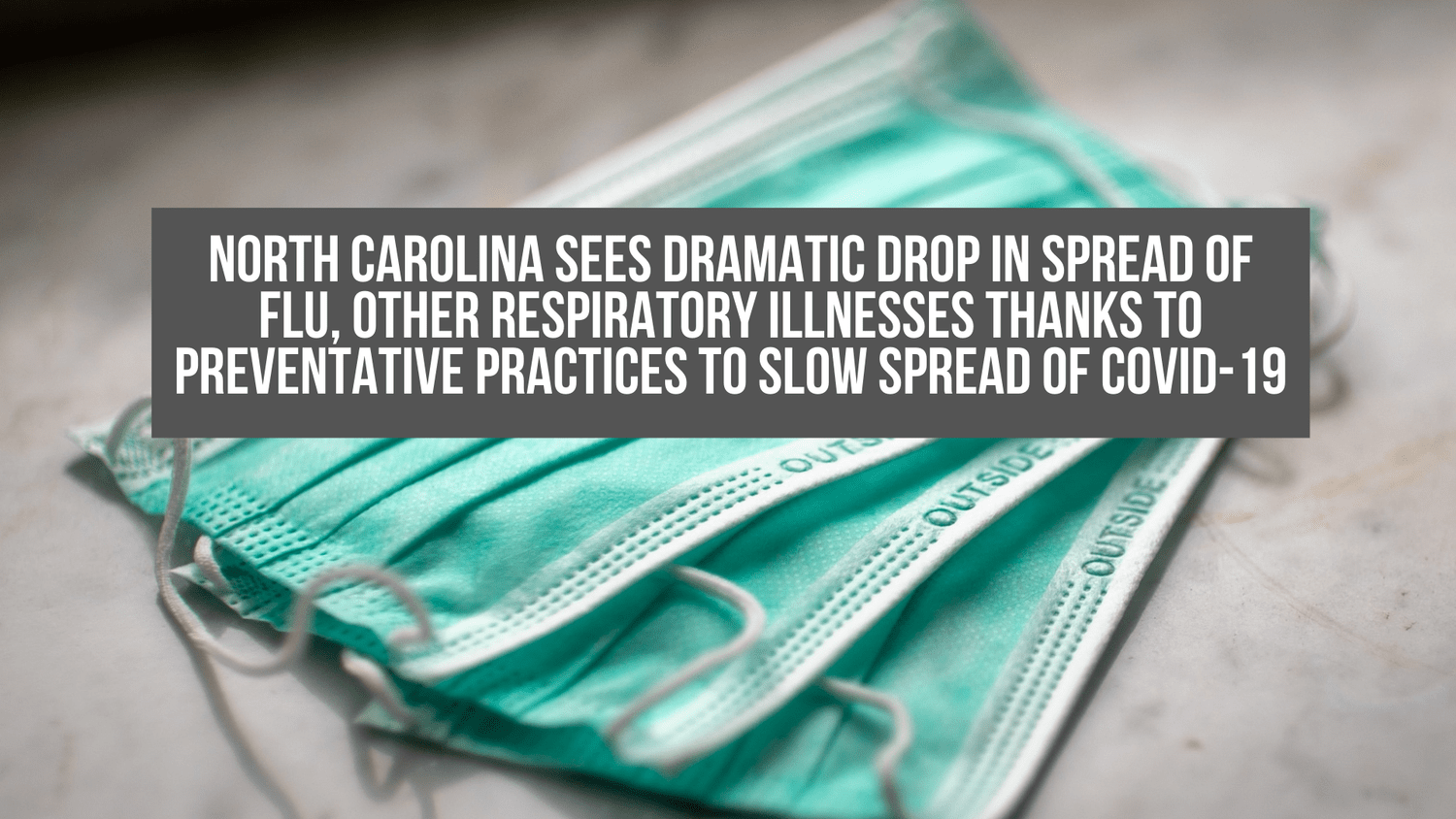
North Carolinians have protected themselves and their loved ones from the flu along with COVID-19 by taking preventative measures such as wearing a mask, staying 6 feet apart from people who do not live with them, and frequently washing their hands or using hand sanitizer.
"This pandemic continues to strain communities across our state, and this investment of federal funds in critical areas will help us defeat COVID-19 and build back a stronger and more resilient North Carolina."