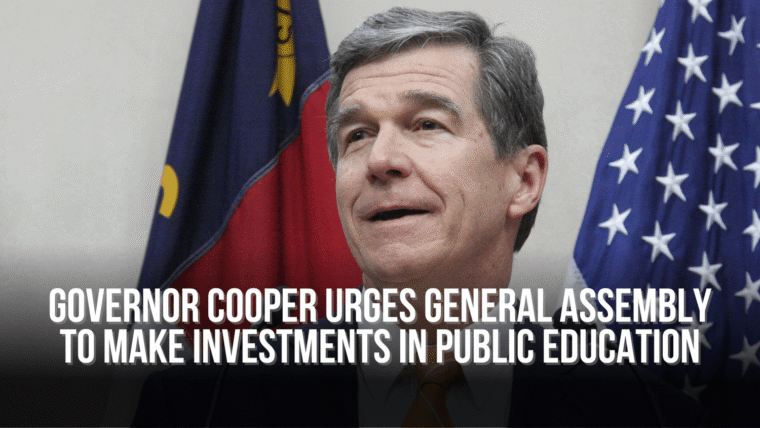
Governor Roy Cooper urged state legislators to make major investments in public education following a report from the North Carolina Department of Public Instruction that showed students across the state experienced significant learning recovery in nearly every subject during the 2021-22 school year. These results come following over $5 billion in federal investments sent to North Carolina’s public schools to address the pandemic’s impact.
Supplemental oxygen therapy patients and providers in North Carolina and throughout the country are anxiously awaiting guidance and action from the federal Medicare program as the Public Health Emergency (PHE) connected to the COVID-19 pandemic is set to end on May 11.
When the COVID-19 pandemic struck in early 2020, Gov. Roy Cooper and other officials began exercising government power in ways unprecedented in modern times.
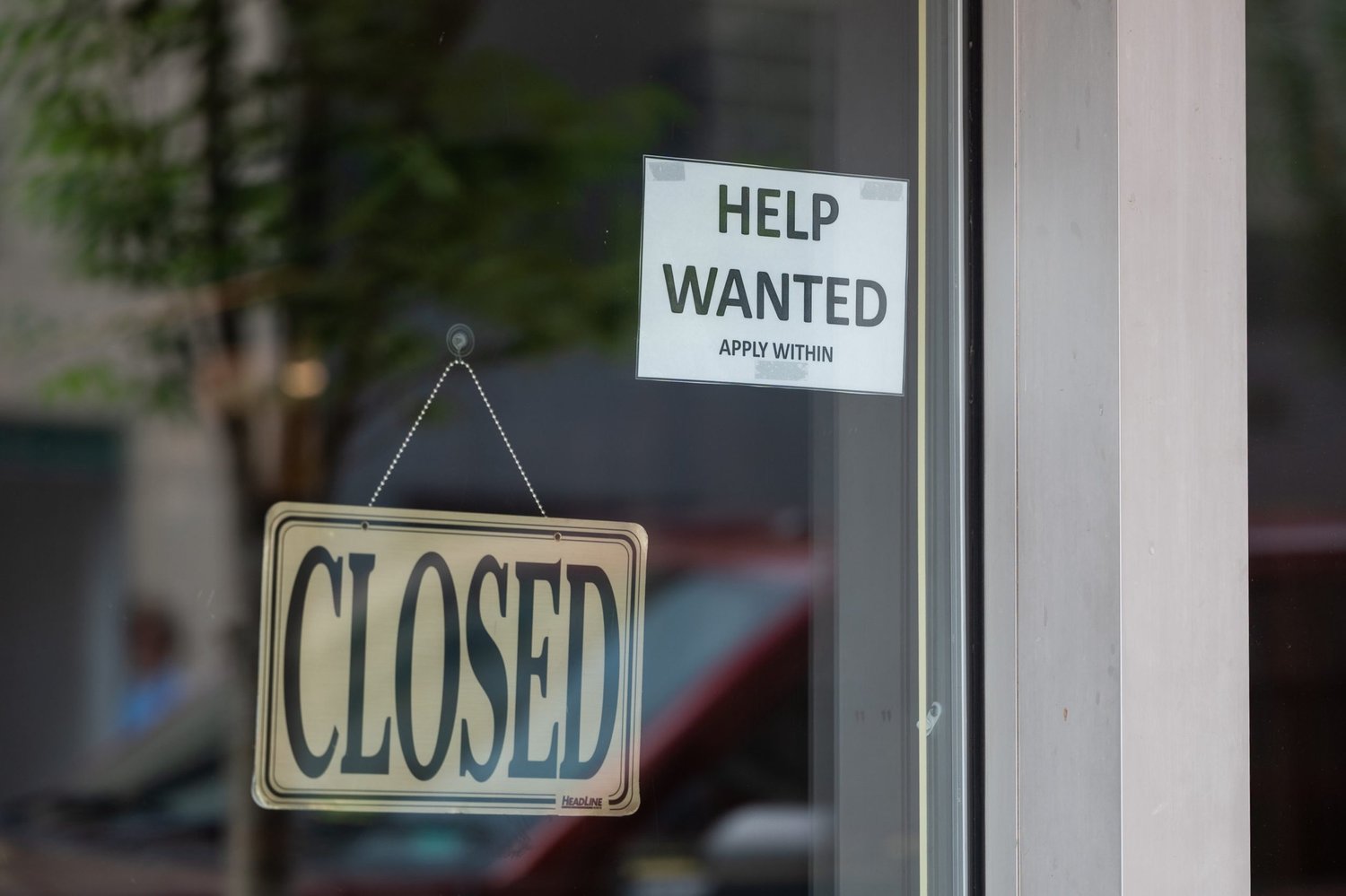
New research predicts long-term pain for the labor market due to around 3 million workers who plan to remain permanently sidelined over concerns of physical illness or physical impairment due to the COVID-19 pandemic.
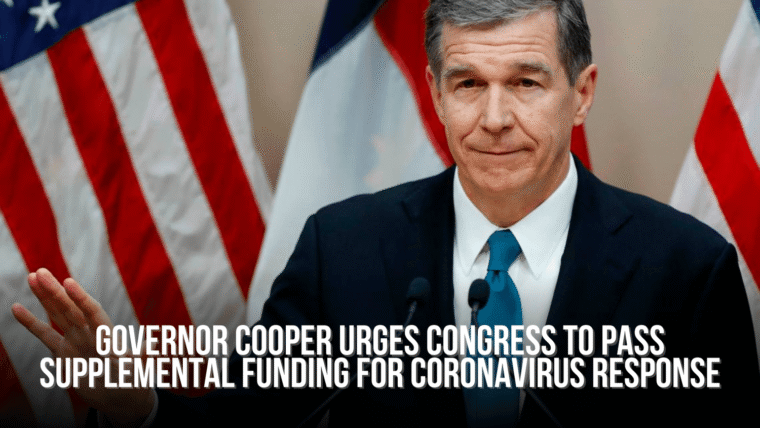
Governor Roy Cooper sent a letter to the North Carolina Congressional Delegation urging Congress to act immediately on a funding package for COVID-19 so that the state can stay ready in the event of a future surge.
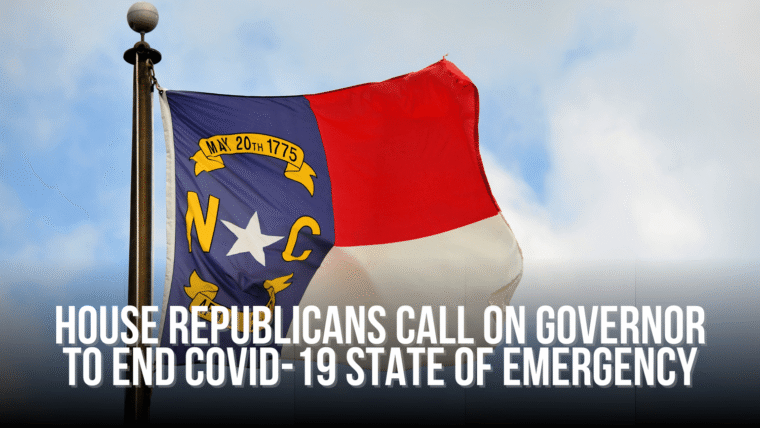
With the two-year anniversary of Gov. Cooper’s COVID-19 state of emergency declaration this Thursday, March 10th, the entire House Republican Caucus today sent a letter organized by Majority Leader John Bell to the Governor calling on him to end his emergency order and allow the state to move forward.
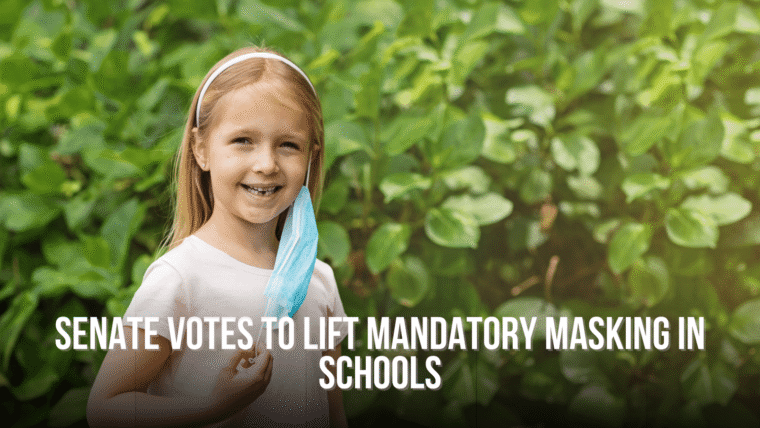
Yesterday the N.C. Senate passed Senate Bill 173, "Free the Smiles Act." This bill makes masks optional in K-12 schools and early childhood programs on state property, thus giving parents control over the decision to mask their children. The bill passed the Senate 28-17.
Governor Roy Cooper and North Carolina Department of Health and Human Services Secretary Kody H. Kinsley provided an update on the state’s COVID-19 metrics and trends.
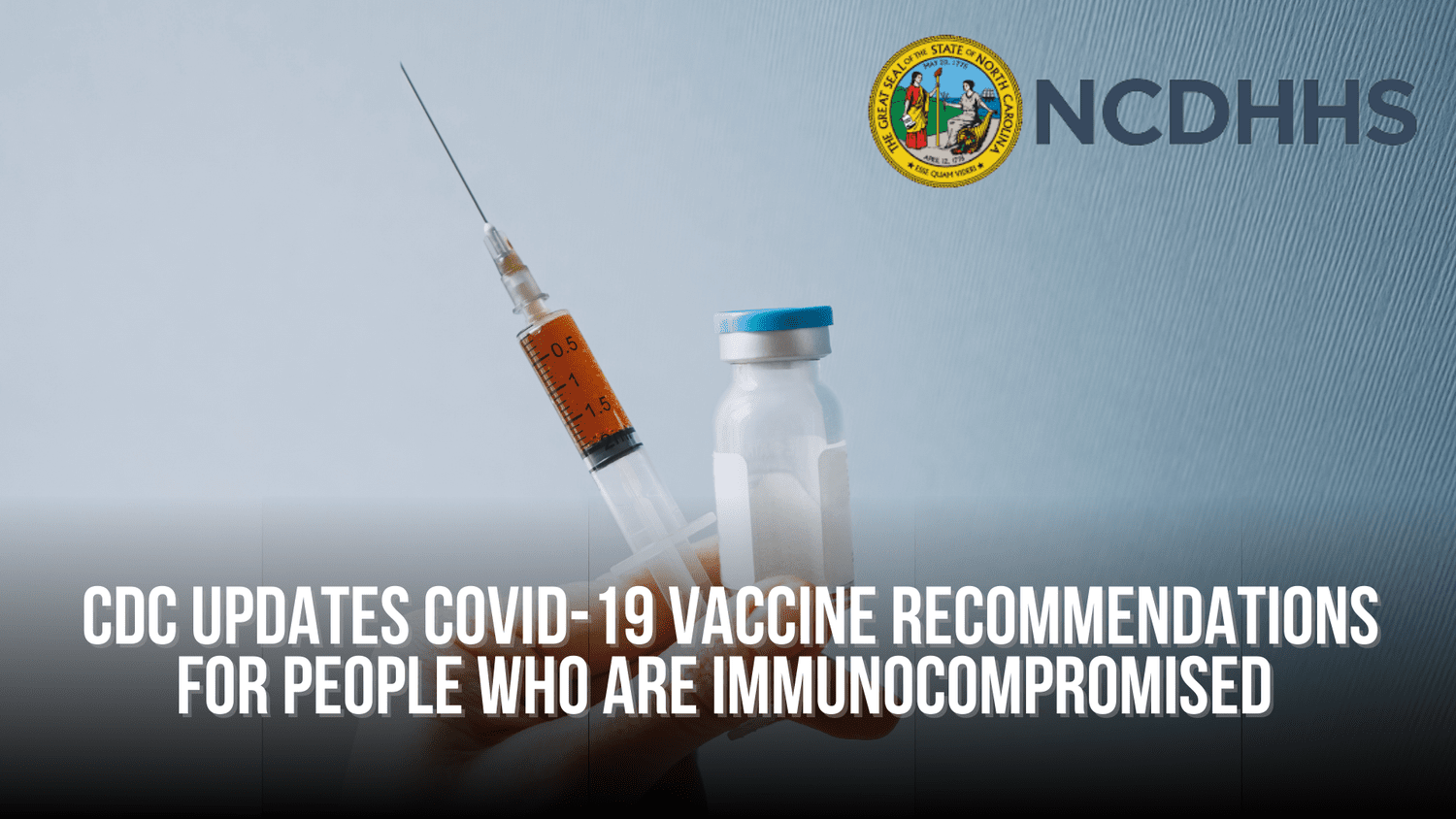
The Centers for Disease Control and Prevention recently updated its recommendations for COVID-19 vaccination for people who are moderately or severely immunocompromised.