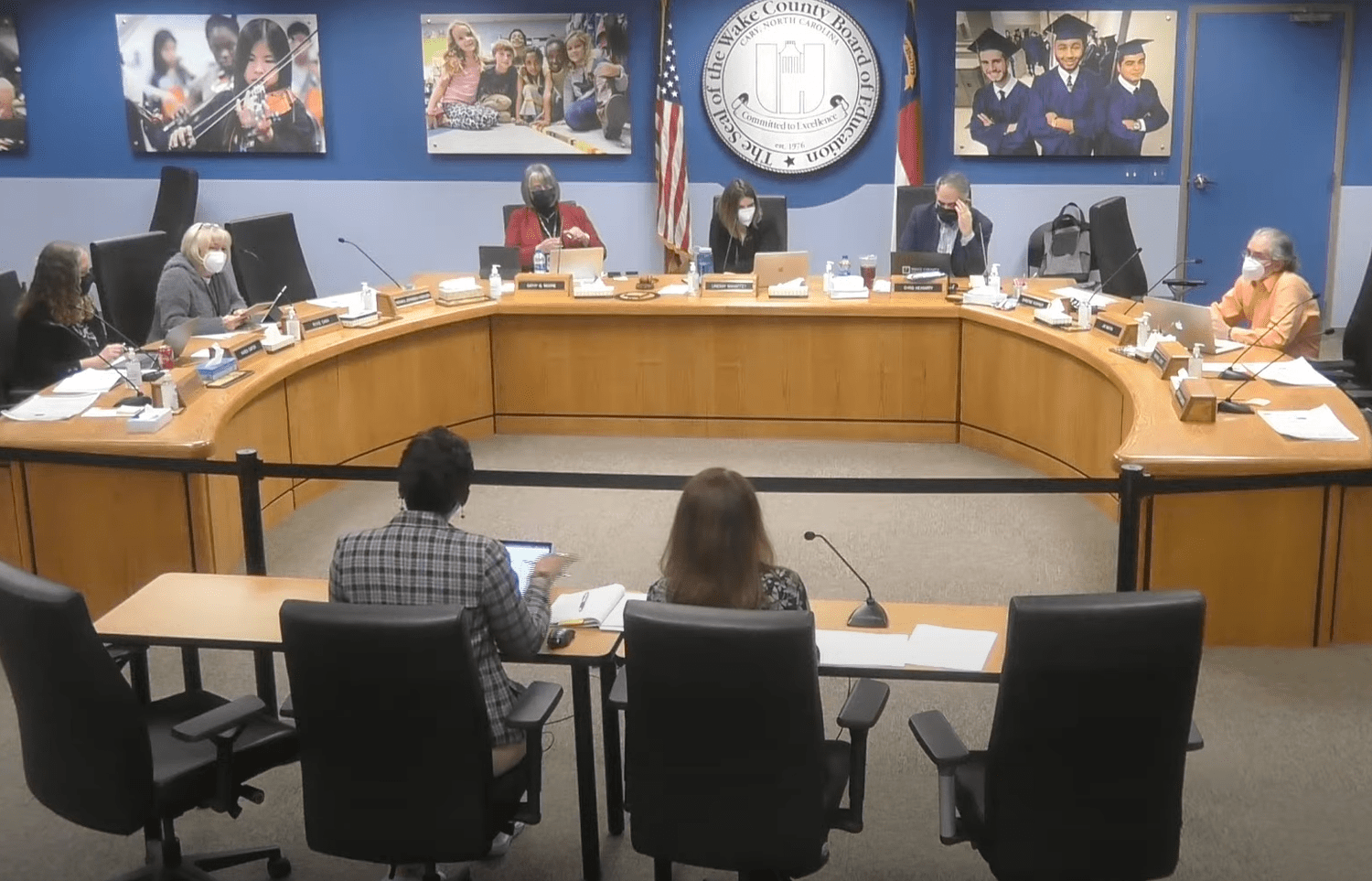
North Carolina’s largest school district continues to feel the impact of pandemic-related reductions in its student population, and those impacts will be felt for at around a decade, according to a report presented to the Wake County Board of Education on Wednesday, Feb. 9.
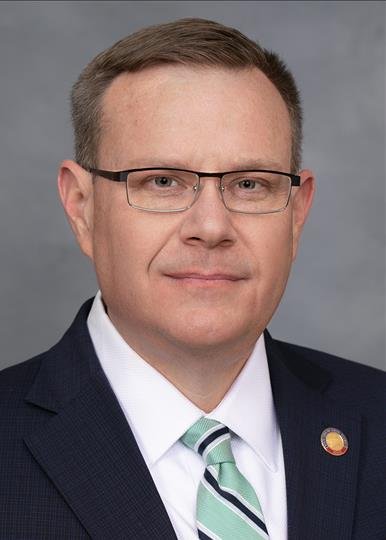
North Carolina House Speaker Tim Moore sent a letter to Governor Roy Cooper asking to end the policies that have disrupted classrooms and hindered student achievement and repeal the guidelines that force healthy kids to stay home and effectively mandate masks in schools, as most governors across the country finally do the same.
A new meta-analysis from Johns Hopkins University shows that government-mandated lockdowns in America and Europe during the first wave of the COVID-19 pandemic only reduced the death rate by 0.2%, on average. Researchers concluded that lockdowns “have had little to no public health effects” while imposing “enormous economic and social costs” and should be “rejected as a pandemic policy instrument.”
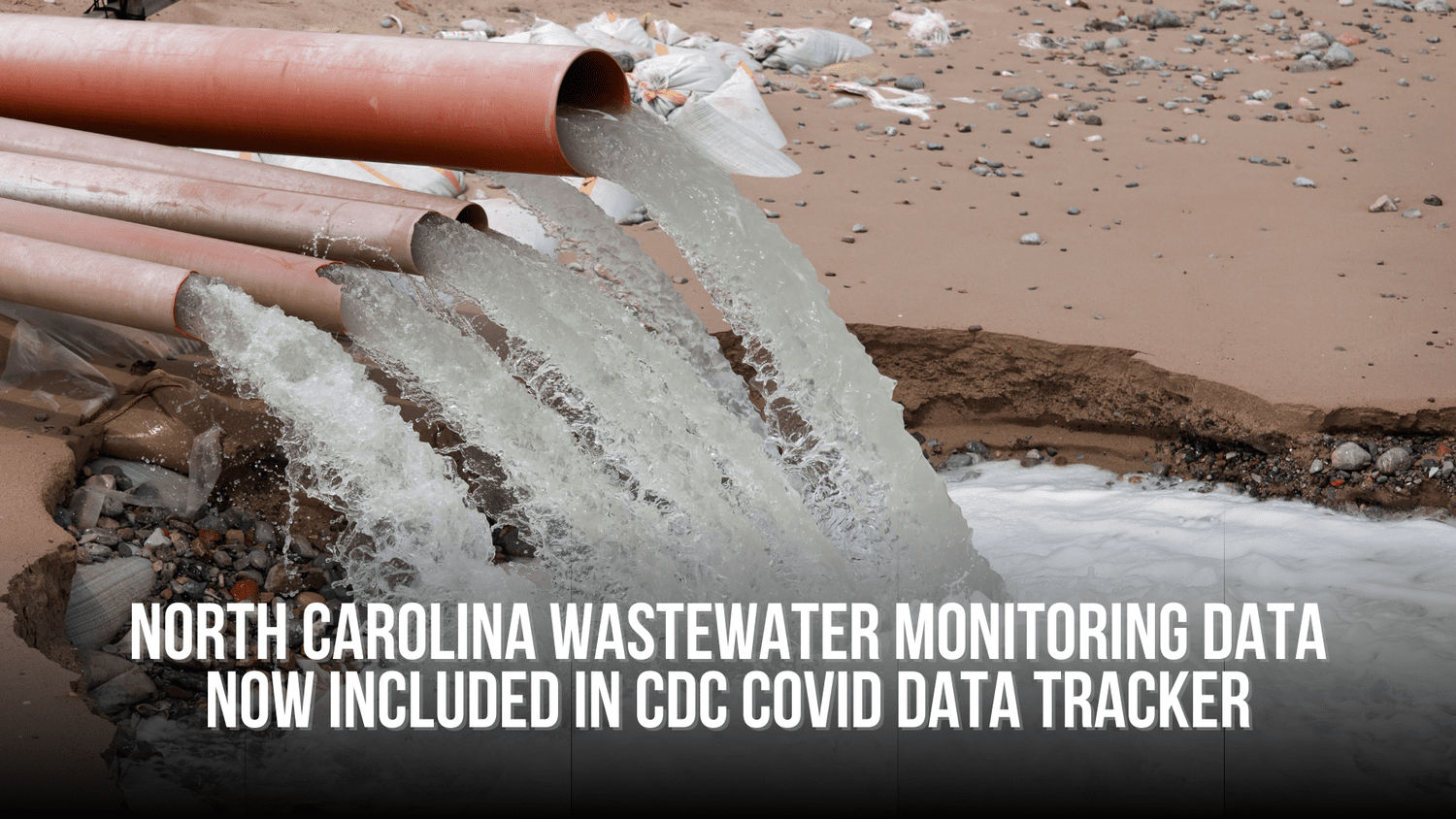
Wastewater monitoring data from North Carolina are now part of the Centers for Disease Control and Prevention national COVID Data Tracker (CDT) website. North Carolina was one of the first eight jurisdictions in the CDC’s National Wastewater Surveillance System and is one of 13 jurisdictions currently participating in the NWSS and reporting wastewater data in the CDT.
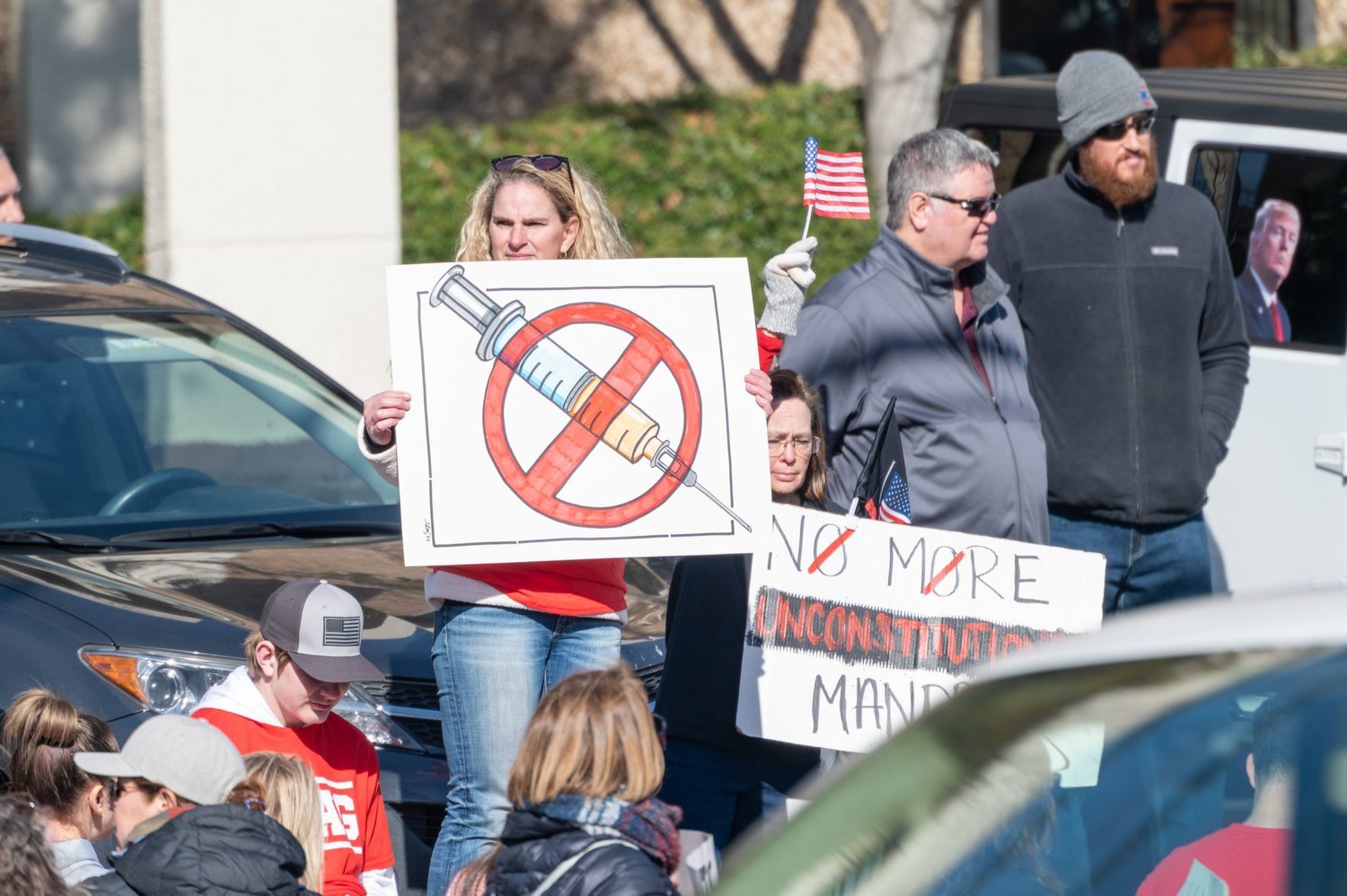
The N.C. Commission for Public Health denied a petition from UNC-affiliated universities requesting that all 17-year-old seniors entering the college system be vaccinated against COVID-19. The action occurred at the commission’s Wednesday, Feb. 2 meeting. At the same time, groups called Citizen Advocates for Accountable Government and Moms for Liberty held a protest outside the state Division of Public Health’s building along Six Forks Road in Raleigh.
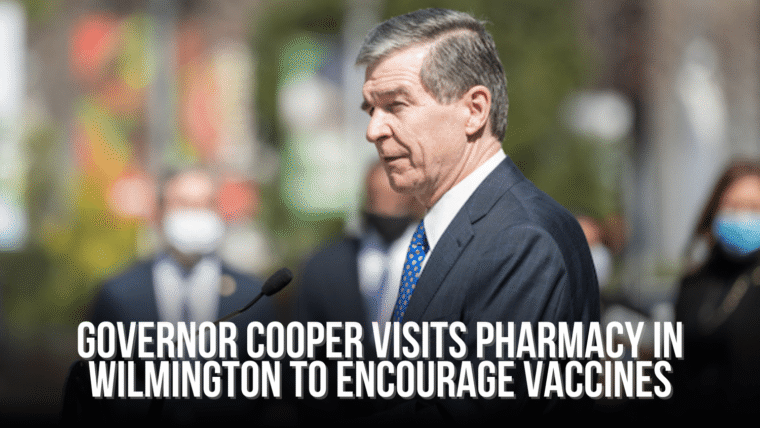
Governor Roy Cooper and NCDHHS Secretary Kody Kinsley visited and toured King’s Pharmacy & Compounding Lab in New Hanover County, a local pharmacy distributing COVID-19 vaccines.
The North Carolina Department of Health and Human Services will host a live fireside chat and tele-town hall on Jan. 20 from 6 to 7 p.m. to discuss COVID-19 vaccines, boosters, testing and more.
In the face of nationwide competition for testing supplies and shortages of testing staff, the North Carolina Department of Health and Human Services is pulling all available levers to support existing testing sites, to open more sites across the state and to increase access to at-home collection kits.
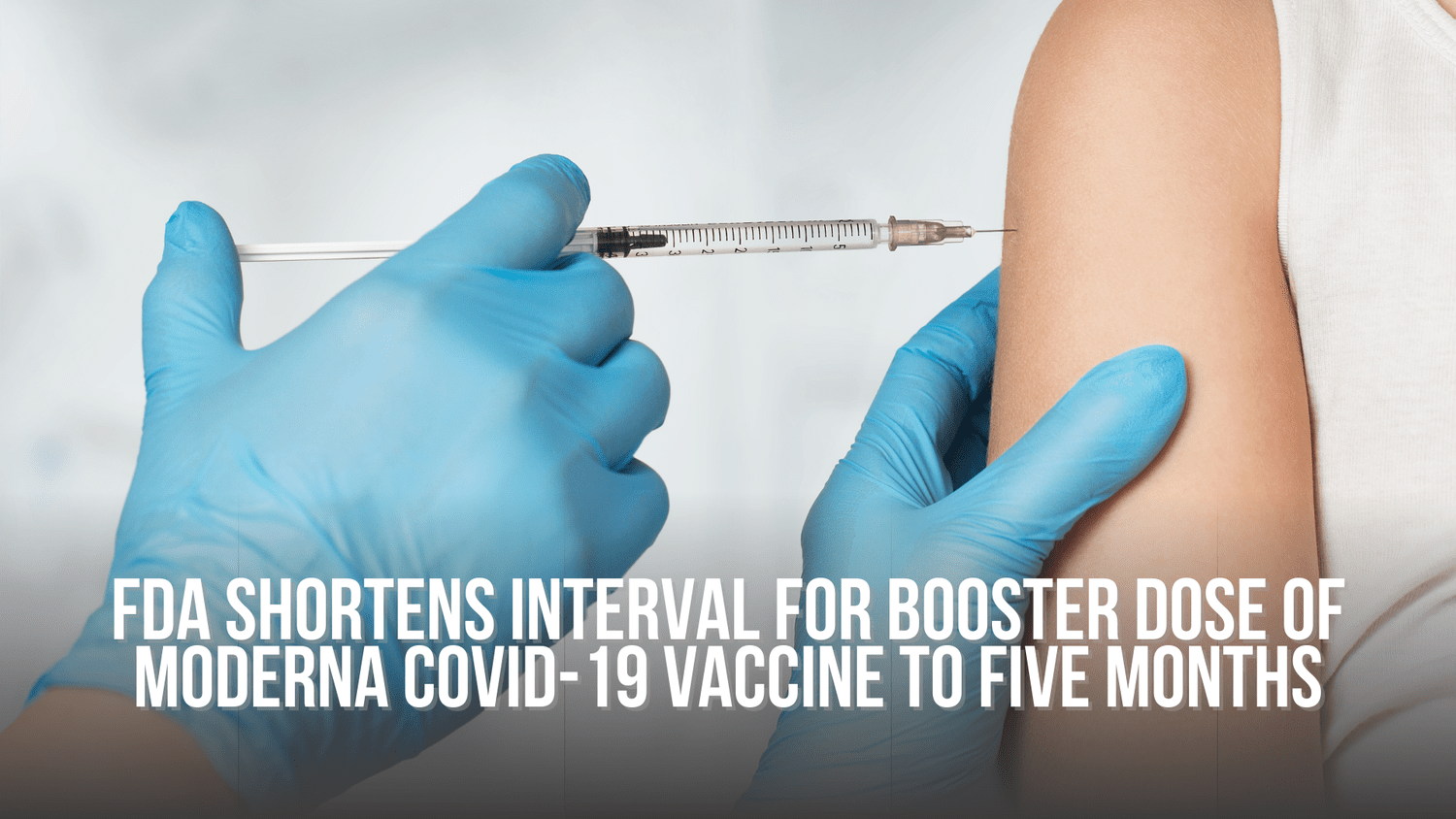
The FDA now authorizes and the Centers for Disease Control and Prevention recommends individuals who received the Moderna COVID-19 vaccine get a booster dose after five months. This announcement from federal agencies comes just three days after the announcement of a shortened wait time for a booster from six months to five months for individuals who received the Pfizer vaccine.
The U.S. Food and Drug Administration amended the emergency use authorization (EUA) for the Moderna COVID-19 Vaccine to shorten the time between the completion of a primary series of the vaccine and a booster dose to at least five months for individuals 18 years of age and older.
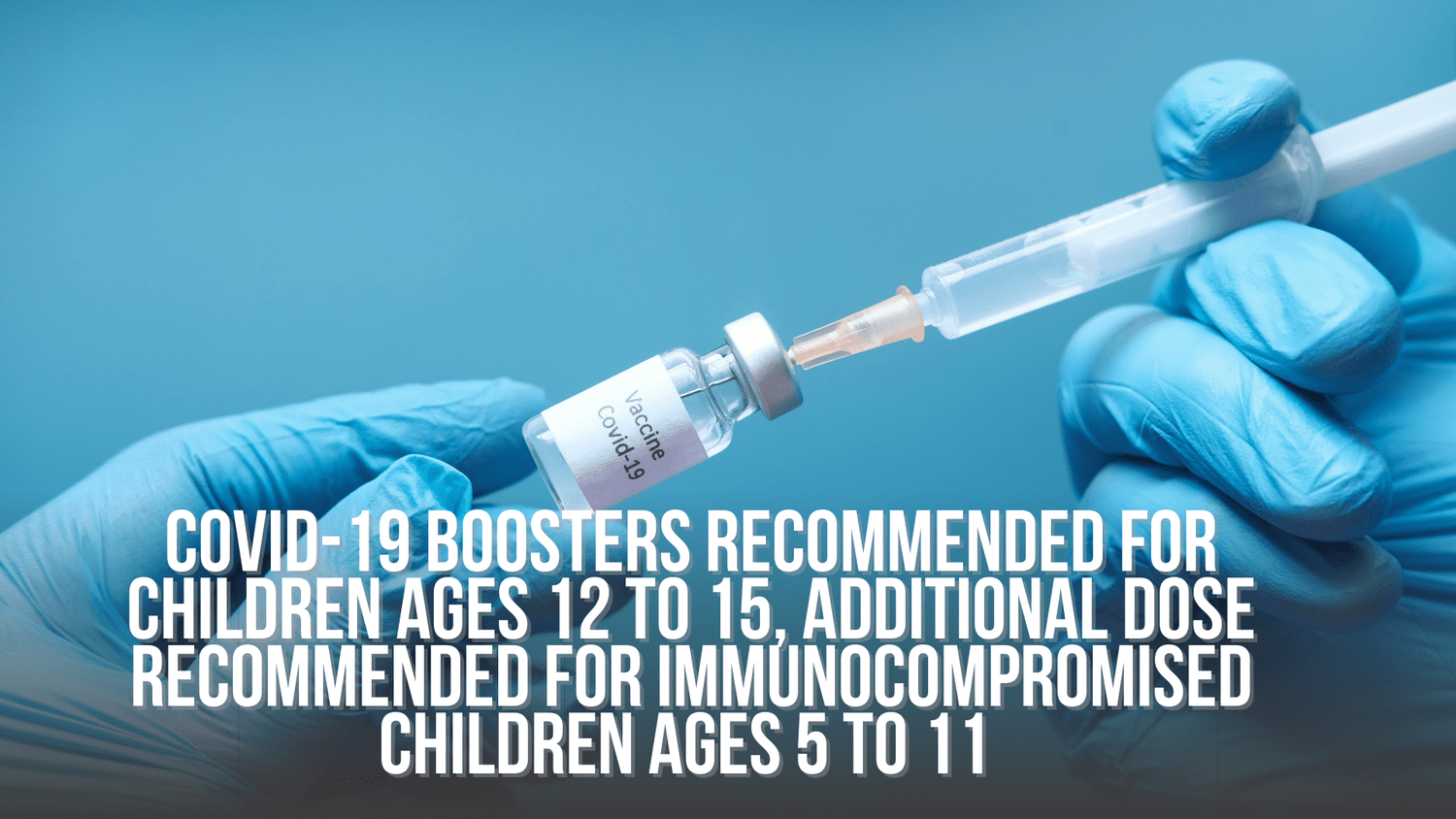
The Centers for Disease Control and Prevention yesterday announced it recommends the Pfizer COVID-19 booster for children ages 12 to 15 to further protect them from COVID-19. The CDC also recommends a third dose of Pfizer for children ages 5 to 11 who have compromised immune systems.
When the news broke on January 3 that one of North Carolina’s largest school districts, Cumberland County, was considering a shift to virtual instruction in response to rising case counts of the Omicron variant, I felt my stomach lurch.