John Hood: Three Policy Trends Work Against Democrats
RALEIGH — I don’t know for certain who will win North Carolina’s U.S. Senate race next year — and neither do you.
RALEIGH — I don’t know for certain who will win North Carolina’s U.S. Senate race next year — and neither do you.
North Carolina House Democrats have been outspoken about the impacts of the slash-and-burn style cutting from the Federal Government in recent weeks. North Carolinians are understandably upset by this and the current and future effects this approach will have on communities across our state.
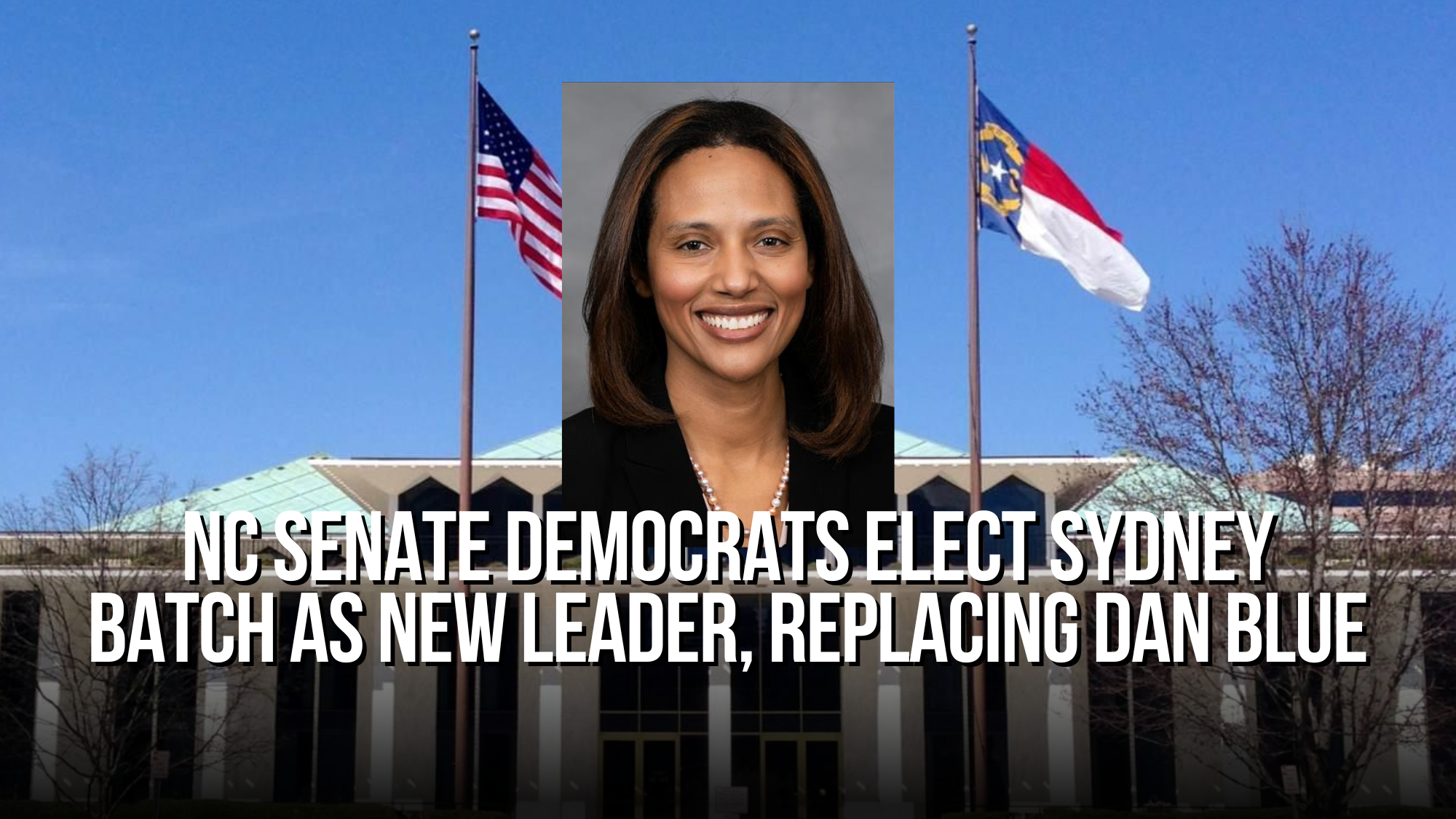
North Carolina Senate Democrats elected state Sen. Sydney Batch as their new minority leader on Monday, replacing longtime leader Sen. Dan Blue. This change in leadership comes after Republicans maintained their supermajority in the Senate during the November elections.
The North Carolina House Democratic Caucus has reported a fundraising advantage after the second quarter fundraising reports became available. The numbers reflect the support and enthusiasm from grassroots donors across the state, placing Democrats in a strong position as we get closer to the November elections.
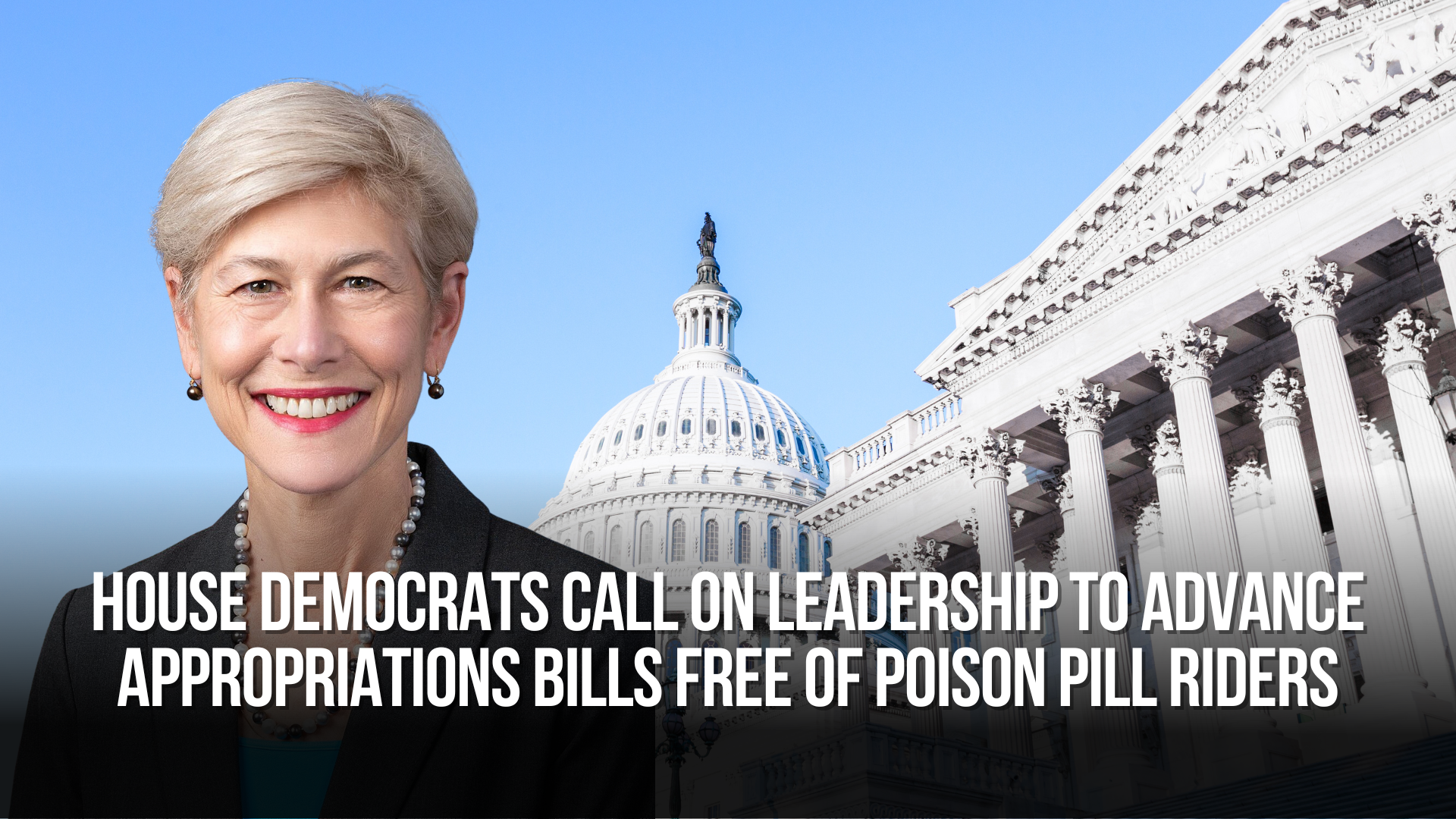
Representatives Deborah Ross (NC-02), Jan Schakowsky (IL-09), Doris Matsui (CA-07), Terri Sewell (AL-07), and Ruben Gallego (AZ-03) led 139 House Democrats in a letter to House and Appropriations Committee leadership requesting that they advance responsible appropriations legislation free of poison pill provisions and adequately fund non-defense discretionary programs at the caps agreed to in the bipartisan debt ceiling package.
On March 23rd, Republican leadership joined Democrats at the Governor’s mansion to celebrate the long overdue passage of Medicaid expansion—promising to (finally) deliver access to affordable healthcare to 600,000 North Carolinians upon the adoption of a state budget.
Democrats this summer are working to bring our country a step closer to socialized medicine by slipping a Bernie Sanders-backed pharmacy benefit manager (PBM) reform measure into a broader insulin cap package that is expected to receive a vote in the coming months.
North Carolina’s 4th U.S. Congressional District is a near-certain win for Democrats, but which Triangle-area Democrat will be replacing the retiring U.S. Rep. David Price, who began representing the area in Congress in 1987, is yet to be decided.
In late March, a super PAC started by U.S. Rep. Madison Cawthorn’s 2020 Democrat opponent, Moe Davis, endorsed Wendy Nevarez in the Republican primary for N.C.’s 11th Congressional District. The American Muckrakers PAC — also known as the Fire Madison Cawthorn PAC — encouraged Democrats to switch their affiliation to unaffiliated and vote for Nevarez.
The North Carolina General Assembly is going to stay in Republican hands after the 2022 midterms. For state Democrats, this is a bitter pill to swallow. That they’ve already managed to swallow it, however, is evident in their manifest failure to recruit enough candidates to put up a credible fight this year for control of the legislature.
Of the 11 members on the N.C. State Board of Education, four are Republican appointees. With a recent resignation, that number dips to just three.
Legislative Democrats and Democrat Gov. Roy Cooper are making it clear they will oppose the legislation to move North Carolina’s primary election date from May 17 to June 7.