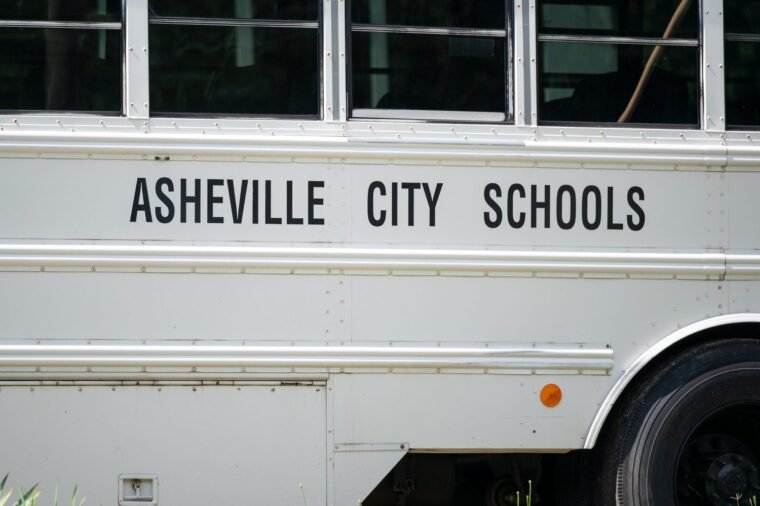
Public school districts in North Carolina have received about $5.3 billion in COVID-related relief from the federal government. But, on average, school leaders have spent just 13% of that money.
It’s now a time in North Carolina to dismiss policy based on politics and embrace a move toward legislation focusing on common sense, John Locke Foundation legislative experts said in a policy debate forum on Monday.
North Carolinians are closely divided when it comes to party preference. Our state has long been one of America’s key political battlegrounds. But when it comes to managing the state’s finances, the conservatives in charge of the state legislature are in tune with prevailing public sentiment.
I’ve written a regular column for nearly 35 years. It debuted in the Spring Hope Enterprise, a Nash County weekly, in the summer of 1986 and then quickly expanded to dozens of other daily and community papers.
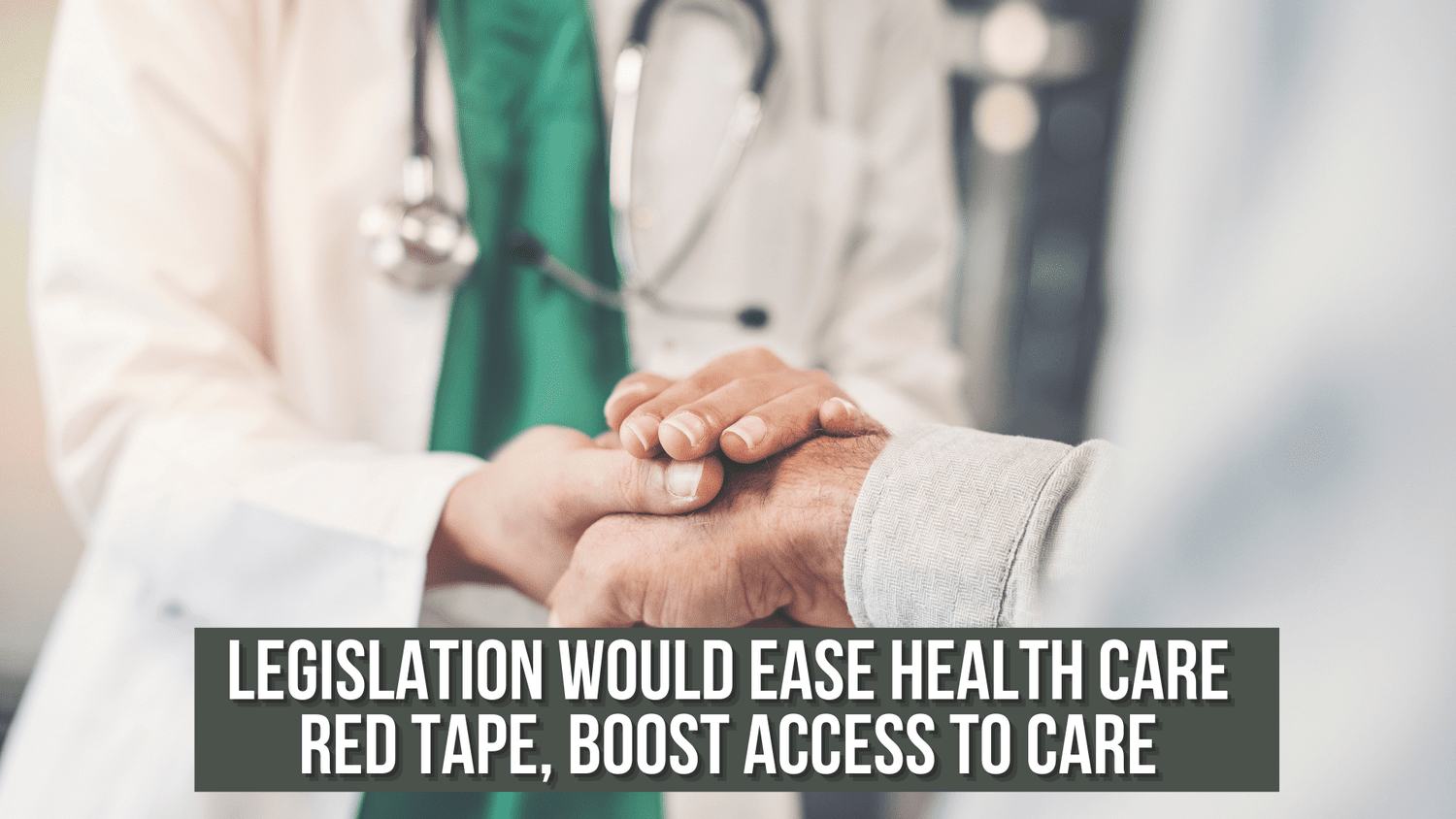
Legislation introduced in this session of the General Assembly seeks to reduce restrictions created by certificate of need laws, which critics say reduce access to health care and increase costs.
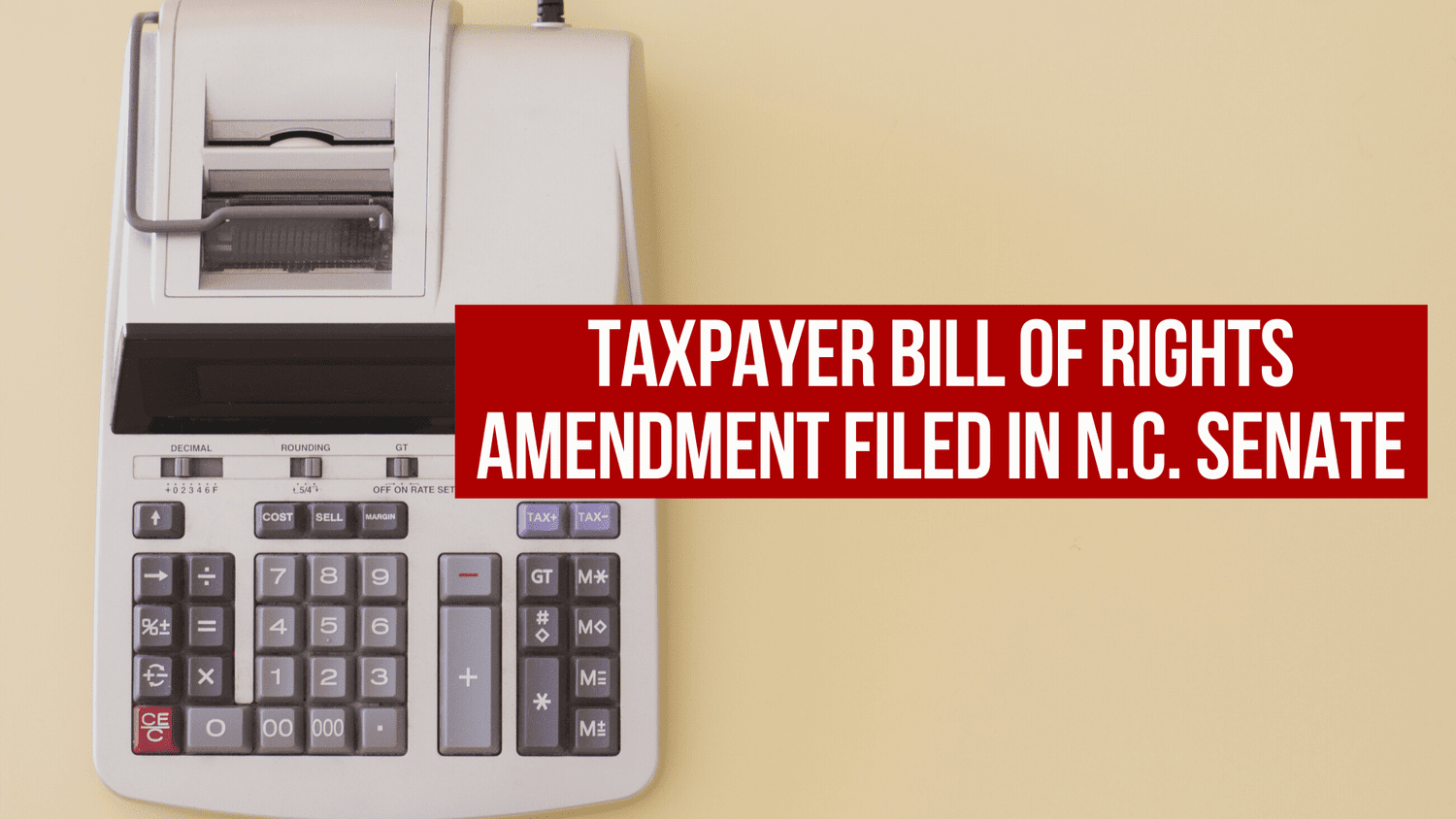
A bill filed in the North Carolina Senate on the traditional April 15 tax deadline day would make tax and spending limits a part of the North Carolina Constitution, if voters approve it in 2022.
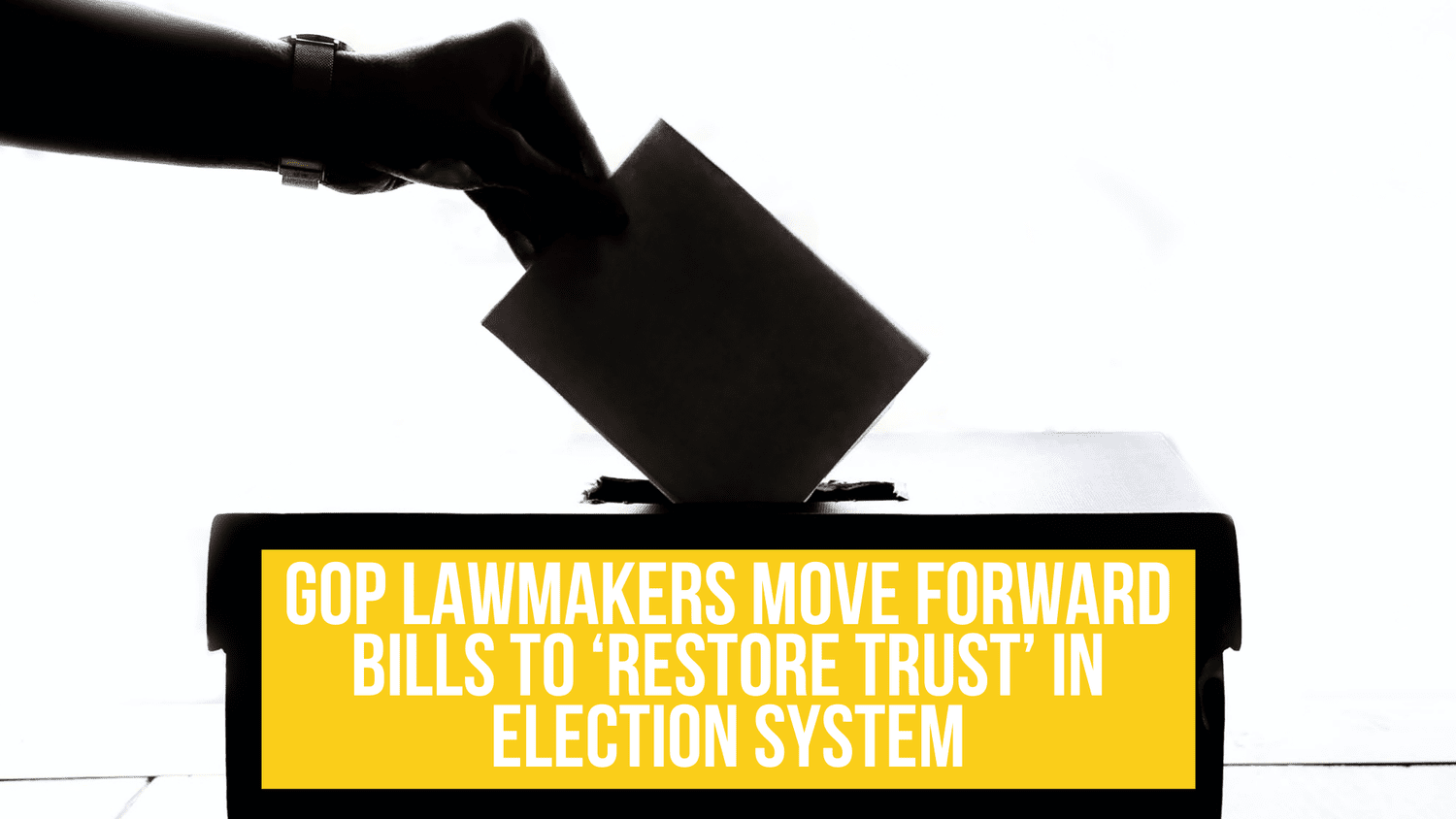
Republican lawmakers are pushing forward two election-reform bills designed to shore up voting integrity following a 2020 general election that included numerous accusations of fraud.
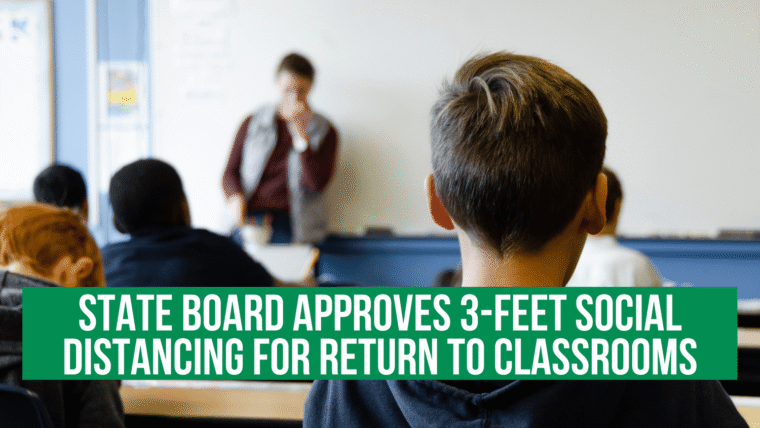
The N.C. State Board of Education has voted unanimously to switch social-distancing requirements under a “Plan A” return to public school classrooms to 3 feet rather than the previous six feet.
A supermajority of the N.C. House has approved a proposed constitutional amendment to strengthen private property rights against eminent domain land takings. The proposed amendment, House Bill 271, would hit the ballot in 2022. The bill passed the House, 101-17, Thursday, March 25.
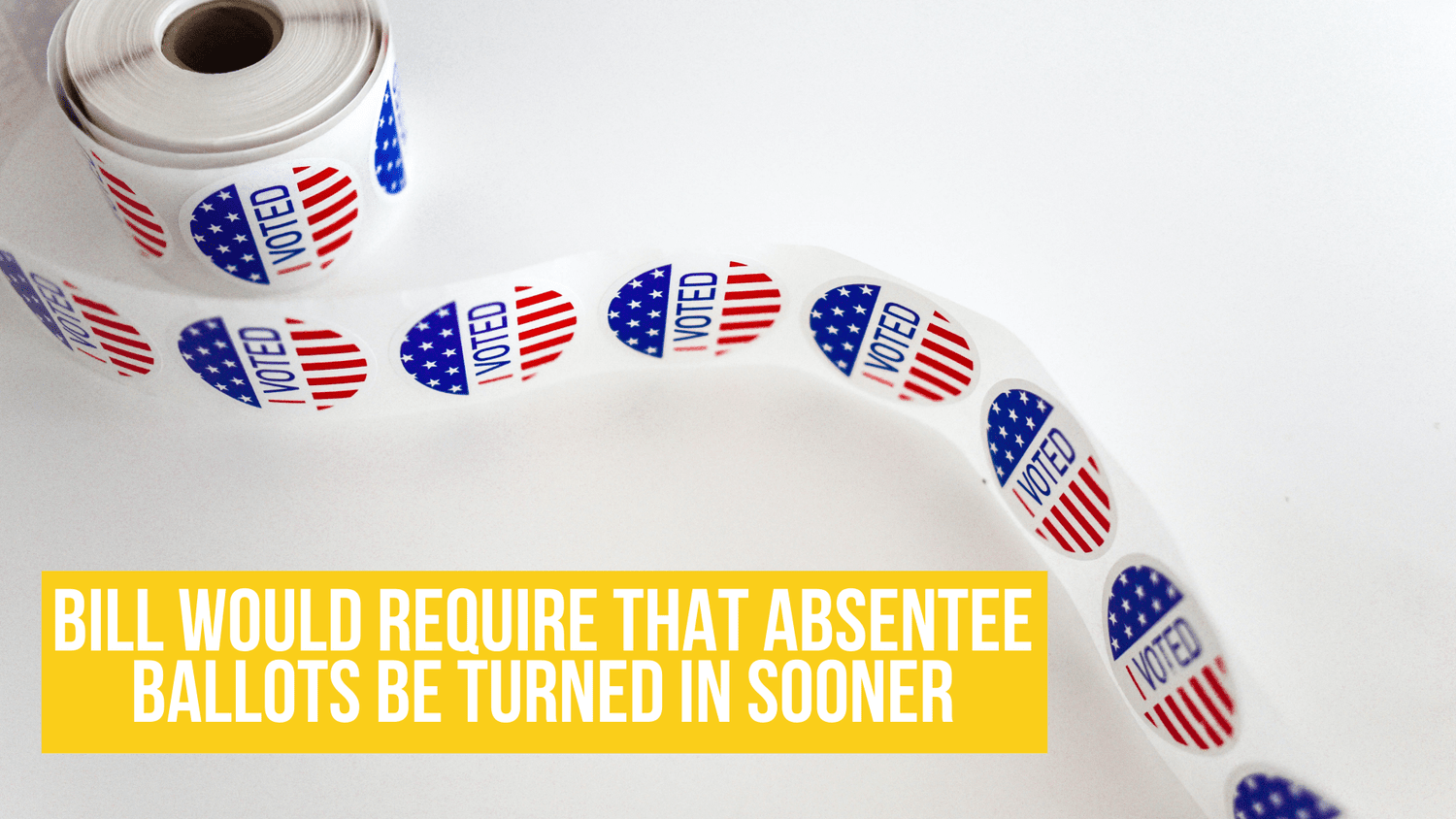
New legislation filed in the General Assembly would reduce the time voters have to turn in their absentee ballots, making the outcome of elections clearer in a shorter time.