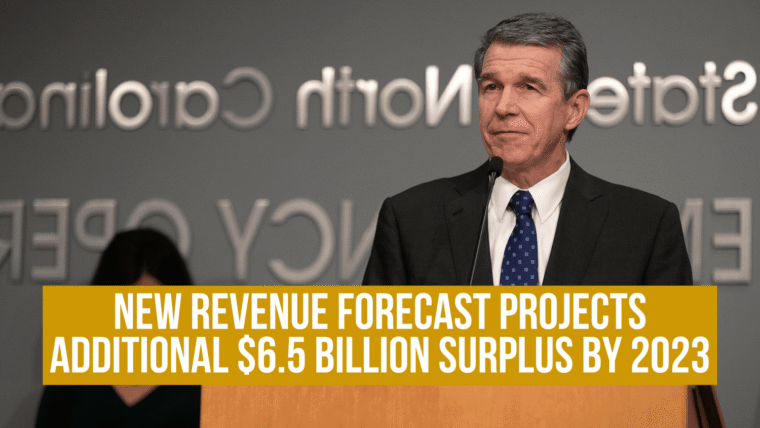
Economists in the Office of State Budget and Management and the General Assembly’s Fiscal Research Division released an updated consensus revenue forecast today anticipating an additional $6.5 billion in state revenues through the next biennium.
KNOLL America Inc., a supplier of conveyor and filtration systems, will create 31 new jobs in Gaston County, Governor Roy Cooper announced today. The company will invest more than $7.8 million to locate a new U.S. headquarters operations and manufacturing facility in Gaston County’s Apple Creek Corporate Park.
U.S. Rep. Ted Budd’s campaign team is highlighting new polling data showing the impact of former President Donald Trump’s endorsement in North Carolina’s 2022 U.S. Senate race.
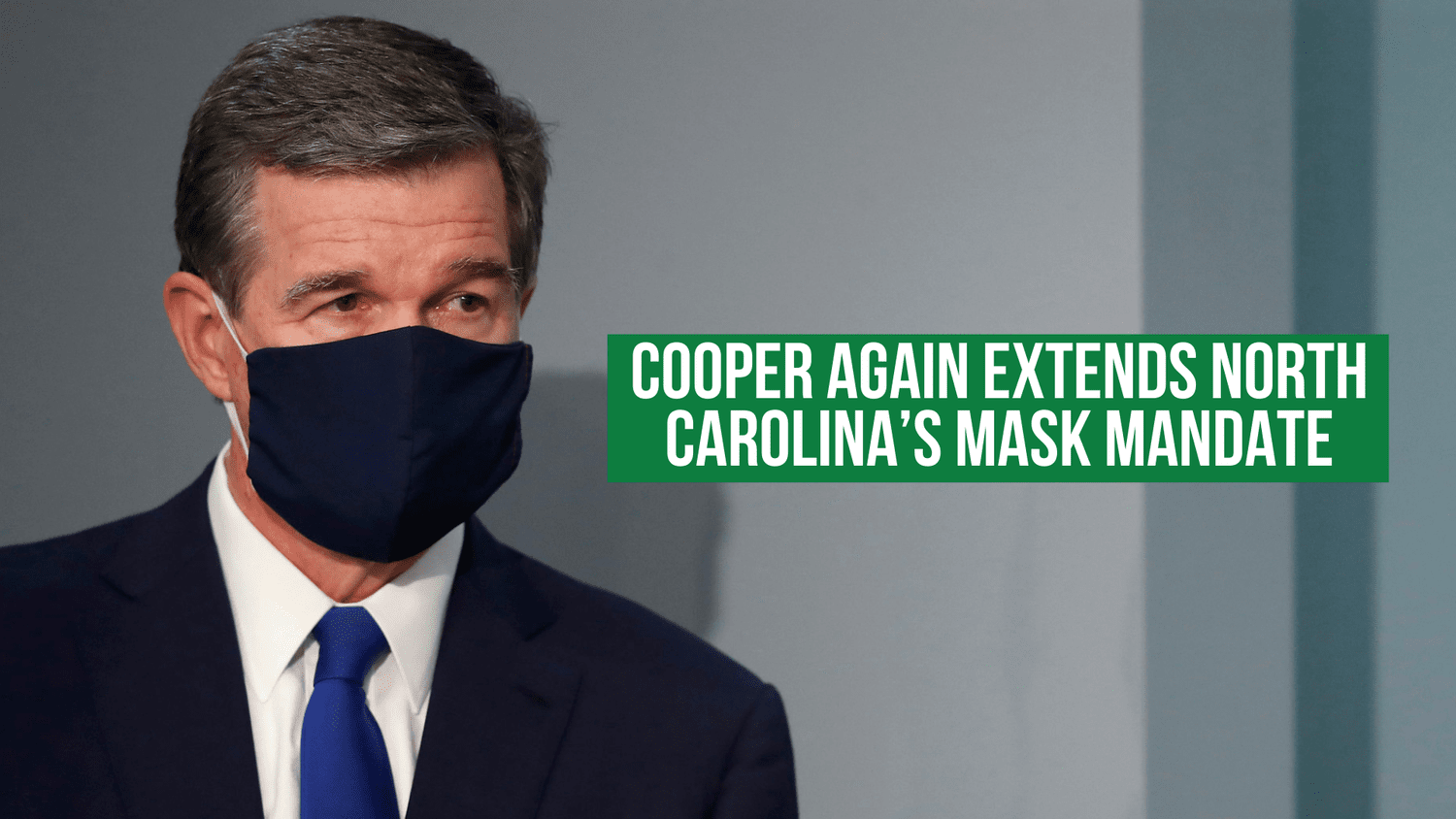
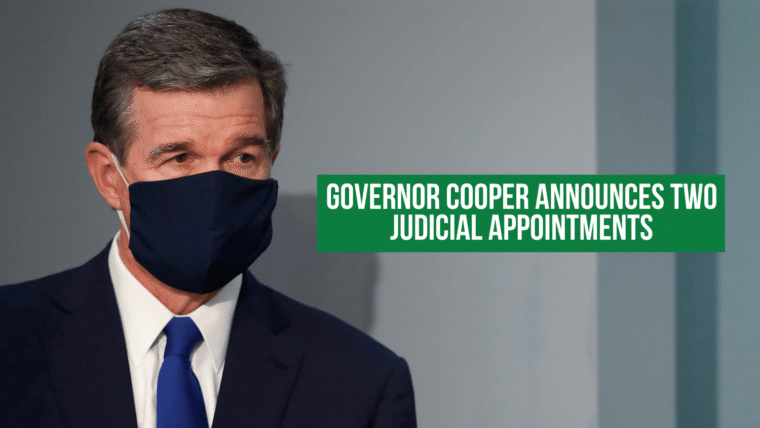
Democrat Gov. Roy Cooper issued his first executive order of the pandemic in March 2020, at the time implementing a interminable state of emergency, a move that’s typically reserved for hurricanes and other natural disasters.
The N.C. Supreme Court has thrown out a lawsuit against owners of an Orange County quarry. Chief Justice Paul Newby’s opinion in the case focuses attention on the fundamental importance of the right to petition government.
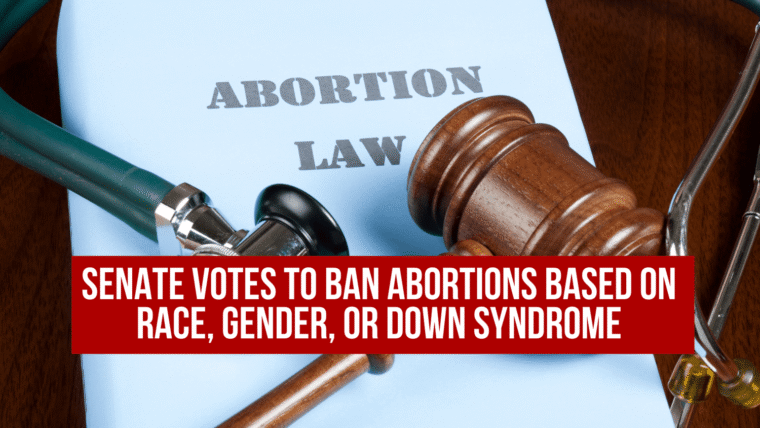
Jaden Ng, 13, and her family sat in the gallery on Thursday morning to watch the N.C. Senate vote to ban abortions sought based on the likelihood of Down syndrome, the condition Jaden has had her entire life.
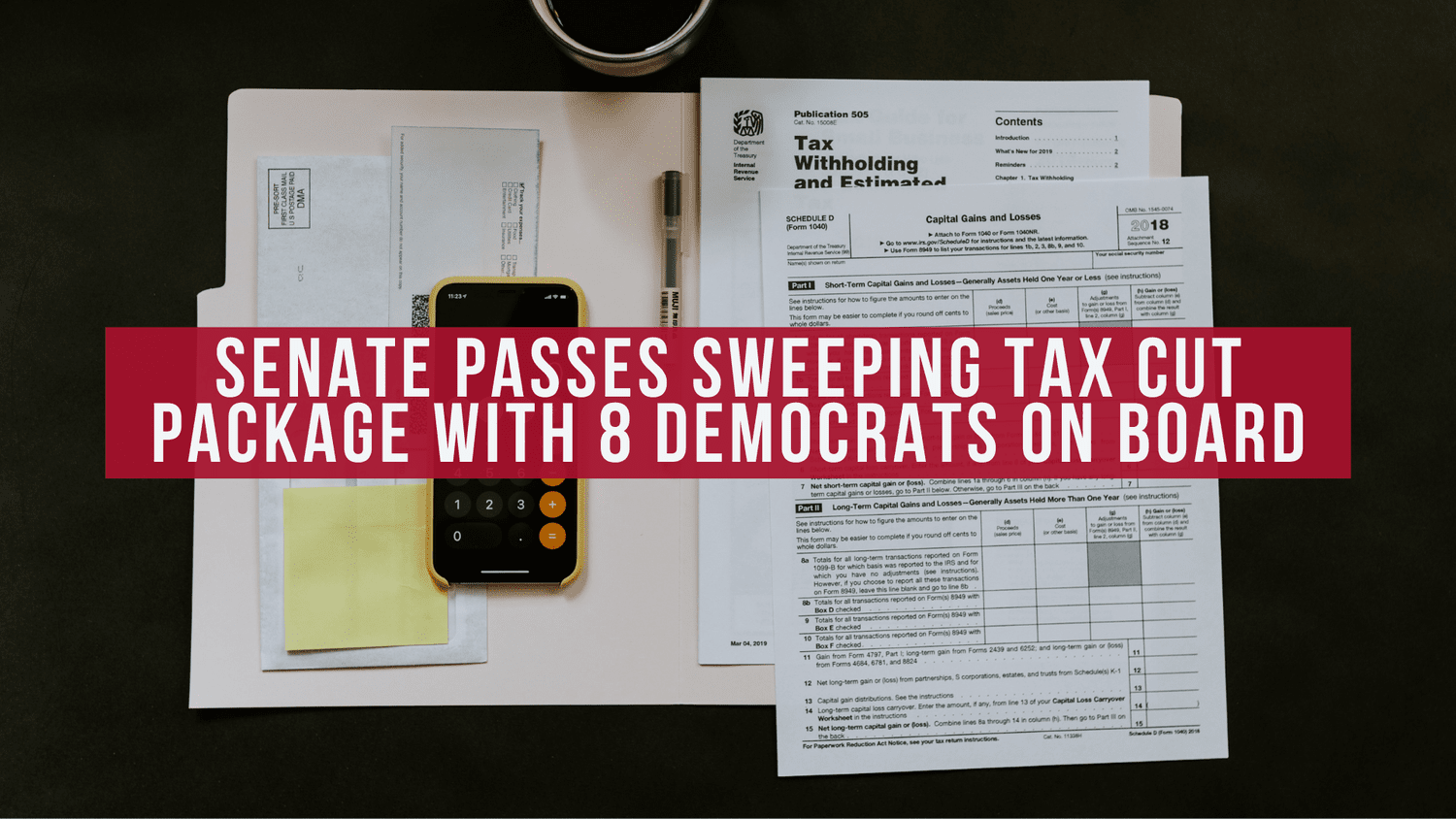
The North Carolina Senate passed a Republican-led tax reform package Wednesday evening in a quick, 36-14 vote that drew eight Democrats to cross the aisle and vote in favor of the bill. House Bill 334 would raise the standard deduction from $21,500 to $25,500 for joint filers, which would take about a quarter of a million of the lowest-income North Carolinians entirely off the tax rolls. It also reduces North Carolina’s flat income tax rate for remaining taxpayers from 5.25% to 4.99%.
With negotiators for the North Carolina House and Senate confirming that they’ve agreed on the broad outlines of a state budget for next year, the prospect of ending the state’s 2.5% corporate income tax is one step closer to becoming reality. A phase-out is already in the Senate’s budget plan, and key House members have endorsed the idea.
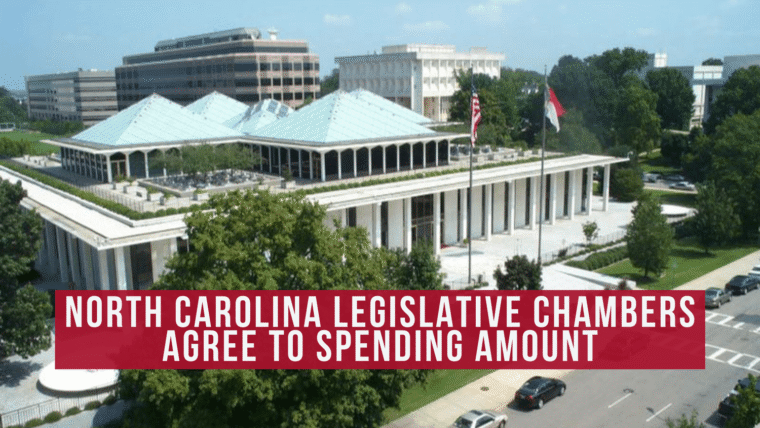
With the end of the state’s fiscal year just three weeks away, the N.C. House and Senate have reached a deal for the next budget. After weeks of closed negotiations, N.C. Senate and House leaders have agreed to a top-line spending number of $25.7 billion in the first year and $26.7 in the second year. That’s a spending increase of 3.45% in the first year of the biennium and 3.65% in year two.